

Volume 13, Issue 1 (March 2026)
J Food Qual Hazards Control. 2026, 13(1): 59-67 |
Back to browse issues page


Ethics code: IR.KUMS.REC.1400.730


Download citation:
BibTeX | RIS | EndNote | Medlars | ProCite | Reference Manager | RefWorks
Send citation to:


BibTeX | RIS | EndNote | Medlars | ProCite | Reference Manager | RefWorks
Send citation to:
Bashiry M, Abdolmaleki K, Hashemi H, Azizi-lalabdi M. The Health Risk Assessment of Toxic Lead and Cadmium in Cheese: A Global Systematic Review Study by using Monte-Carlo Simulation. J Food Qual Hazards Control. 2026; 13 (1) :59-67
URL: http://jfqhc.ssu.ac.ir/article-1-1264-en.html
URL: http://jfqhc.ssu.ac.ir/article-1-1264-en.html

Research Center of Oils and Fats, Health Technology Institute, Kermanshah University of Medical Sciences, Kermanshah, Iran, Department of Food Science and Technology, School of Nutrition Sciences and Food Technology, Kermanshah University of Medical Sciences, Kermanshah, Iran , marymazizi766@gmail.com
Full-Text [PDF 524 kb]
(418 Downloads)
| Abstract (HTML) (828 Views)
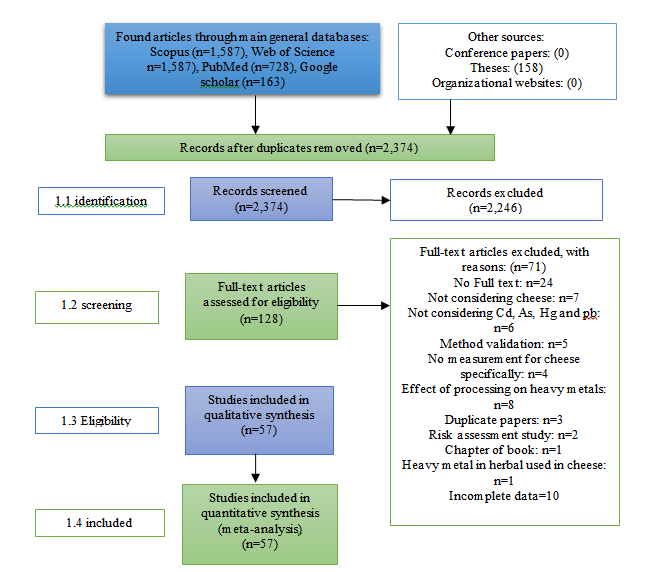
Figure 1: Scheme of study design describing the systematic review and meta-analysis process based on Preferred Reporting Items for Systematic reviews and Meta-Analysis (PRISMA; Hashami et al., 2022)
Table 1: Parameters for exposure and risk assessment simulation of lead (Pb) and cadmium (Cd) by Monte Carlo method
Table 2: Production, consumption, and maximum level of lead (Pb) and cadmium (Cd) in cheese
Table 3: Exposure level and Target Hazard Quotient (THQ) for lead (Pb) and cadmium (Cd) simulated by Monte
Carlo method for the 5th, 50th, and 95th percentiles
Full-Text: (325 Views)
The Health Risk Assessment of Toxic Lead and Cadmium in Cheese: A Global Systematic Review Study by using Monte-Carlo Simulation
M. Bashiry 1,3, K. Abdolmaleki 1,3, H. Hashemi 2, M. Azizi-lalabdi 1,3**
1. Research Center of Oils and Fats, Health Technology Institute, Kermanshah University of Medical Sciences, Kermanshah, Iran
2. Student Research Committee, Kermanshah University of Medical Sciences, Kermanshah, Iran
3. Department of Food Science and Technology, School of Nutrition Sciences and Food Technology, Kermanshah University of Medical Sciences, Kermanshah, Iran
HIGHLIGHTS:
M. Bashiry 1,3, K. Abdolmaleki 1,3, H. Hashemi 2, M. Azizi-lalabdi 1,3**
1. Research Center of Oils and Fats, Health Technology Institute, Kermanshah University of Medical Sciences, Kermanshah, Iran
2. Student Research Committee, Kermanshah University of Medical Sciences, Kermanshah, Iran
3. Department of Food Science and Technology, School of Nutrition Sciences and Food Technology, Kermanshah University of Medical Sciences, Kermanshah, Iran
- Dairy products are considered a significant food source.
- Heavy metals such as lead (Pb) and cadmium (Cd) had a high percentage in consumed cheeses.
- A systematic review showed great potential in assessing the risk factors for consumers worldwide.
| Article type Review article |
ABSTRACT Background: This research investigates the presence of the risk of hazardous lead (Pb) and cadmium (Cd) elements in globally consumed cheese and simulates the associated risk using the Monte Carlo method. Methods: The average level of Pb and Cd in cheese was extracted by exploring the Web of Science, Scopus, PubMed, and Google Scholar databases systematically based on Cochrane guidelines (2,374 article), then a meta-analysis of the obtained data was conducted with STATA 14.2 software (57 article). Furthermore, exposure assessment, Hazard Index (HI), and cancer risk of both Pb and Cd for the world population were calculated by the Monte Carlo method for 5, 50, and 95 percentiles by Cristal Ball software. Results: The results showed that exposure assessment in the 5th, 50th, and 95th percentiles were 0, 0.08, and 0.27 ng/g body weight (bw)/day for Pb and 0, 0.01, and 0.03 ng/g bw/day for Cd, respectively. The Hazard Index (HI) of Pb and Cd was less than one, indicating the absence of non-carcinogenic effects of these chemical pollutants for consumers globally. Moreover, the cancer risk value showed an annual increase of two cancer cases worldwide due to Pb presence in cheese, particularly for those with high consumption. Conclusion: Although the estimated exposure levels and hazard indices for Pb and Cd in cheese suggest no immediate non-carcinogenic risk for the global population, the potential long-term cancer risk, especially associated with high Pb intake, underscores the need for preventive actions. Therefore, stricter monitoring and regulatory measures should be adopted by health authorities to minimize heavy metal pollution in dairy products and protect public health more effectively. © 2026, Shahid Sadoughi University of Medical Sciences. This is an open access article under the Creative Commons Attribution 4.0 International License. |
|
| Keywords Cheese Metals, Heavy Dairy Products |
||
| Article history Received: 14 Sep 2024 Revised: 7 Jan 2025 Accepted: 17 Aug 2025 |
||
| Abbreviations EDI=Estimated Daily Intake HI=Hazard Index THQ=Target Hazard Quotient |
To cite: Bashiry, M., Abdolmaleki, K., Hashemi, H. and Azizi-lalabdi, M. (2026) 'The health risk assessment of toxic lead and cadmium in cheese: A global systematic review study by using Monte-Carlo simulation', Journal of Food Quality and Hazards Control, 13(1), pp. 59-67.
Introduction
Cheese is a fermented dairy product whose consumption has steadily increased over the past 25 years and has an important role in evaluating population nutrition (Ziarati et al., 2018). The average global per capita cheese consumption in 2021 is estimated to be 1.3 kg per year, with the European :union: having the highest per capita cheese consumption (Davis, Blayney and Guthrie, 2013). Statistics indicate that regions with the highest per capita cheese consumption in 2021, measured in kg, were as follows: Europe (20.44 kg), Canada (15 kg), Australia (11.83 kg), and the United Kingdom (11.14 kg). Notably, China had the lowest per capita consumption at 0.13 kg of cheese per year (Paluchová and Berčík, 2018; Siahaan and Adwin Fauzy, 2020). Dairy products accumulate high levels of toxic heavy metals because these contaminants have a chemical attraction to certain nutrients. There is also a direct relationship between the protein content of milk and the levels of cadmium (Cd) (Baseri et al., 2018).
Heavy metals are toxic elements that are usually not synthesized by the body and accumulate in organs, leading to poisoning and various diseases in humans (Alimardan, Ziarati and Jafari Moghadam, 2016; Wang et al., 2017). Its entry into the body can cause serious health problems such as mental retardation, developmental issues, and behavioral disorders. Additionally, lead (Pb) exposure may lead to the development of different types of cancer. Children absorb Pb 4-5 times more than adults because their nervous systems are still developing, making them the most vulnerable group. Pregnant women who are exposed to Pb are at risk of miscarriage and premature birth, which is one of the most severe complications of Pb exposure, most common in polluted cities. Additionally, Cd mainly impacts the kidney in humans, accumulating in the 1S portion of the proximal ducts and creating Fanconi syndrome that leads to the failure to reabsorb proteins, amino acids, glucose, and phosphate. Exposure to Cd can increase the probability of chronic kidney disease, which is an investigated risk factor for cardiovascular illnesses. Furthermore, Cd can directly interfere with calcium (Ca) absorption in the intestines and disrupt collagen metabolism, potentially leading to osteomalacia and osteoporosis (Ebrahimi et al., 2020; Zhou, 2019).
Studies conducted in 2018 and 2020 have shown that milk and cheese samples from Nigeria and Romania contained higher amounts of heavy metals, including Pb, Cd, and zinc (Zn), than the permissible limit, posing a hazardous effect on human health as consumption of such products can cause damage to liver, kidney, heart, blood, and reproductive system (Năstăsescu et al., 2020; Olujimi et al., 2018). Nowadays, the exposure of consumers to certain compounds and the potential risks associated with them have become one of the top priorities for governments and the food industry. It is noteworthy that using this strategy is one of the best ways to conduct up-to-date rules by international organizations or expanded areas (Lorán et al., 2010). In general, risk assessment can be performed using three different methods: the point (or definitive) estimation approach, the semi-probability procedure, and the probability method recognized as Monte Carlo simulation. Among these methods, the Monte Carlo simulation model is the most promising one, because it can realize uncertainties in estimating long-term exposure and conducting risk assessments, and is also broadly applied in the food science and industry sectors. In this study, due to the significant existence of heavy metals in cheese and their hazardous impacts on the consumer health, the exposure and risk assessment of Cd and Pb were estimated using Monte Carlo modelling for consumers around the world, applying data obtained from the prevalence and presence of these toxic metals by the systematic review method. Although numerous studies have assessed the existence of heavy metals in dairy products, most have focused on specific local samples without providing a global perspective. Furthermore, the lack of a clear cancer slope factor for Cd has led to significant limitations in evaluating its carcinogenic risk. Accordingly, the major objectives of this research are to highlight the global carcinogenic hazard status, especially in populations with high dairy intake. This study is necessary to provide updated and comprehensive evidence on the possible health hazards associated with toxic heavy metals in cheese consumption. Its findings can support international food safety authorities in making informed decisions about regulating heavy metal contamination and protecting public health, especially for endangered groups like children, the elderly, and expectant mothers.
Materials and methods
Data collection
To collect data related to the presence and average amount of Cd and Pb in cheese, the results of a systematic review study by Hashami et al. (2022) were used, which is briefly explained in Figure 1. The most relevant and synonym keywords to "cheese" and "heavy metals" including: (“heavy metal*” OR arsenic OR arsenic-75 OR “arsenic 75” OR Pb OR lead OR Cd OR cadmium OR “cadmium radioisotopes” OR Hg OR mercury OR “mercury radioisotopes” OR “mercury isotopes” OR “organomercury compounds” OR Element* OR Metalloids OR “inorganic chemical*”) AND (Cheese* OR cottage OR curd OR cheddar OR paneer OR camembert OR “milk product*” OR “Dairy product*” OR *fermented food*” OR “Cultured milk products”) were selected in PubMed and Scopus databases by using MESH and EMTREE techniques. Subsequently, relevant articles were searched in specialized and general databases such as Scopus, Web of Science, PubMed, Google Scholar, and Food Science and Technology Abstracts to find the most relevant articles in this field. To have a comprehensive search of all available references, conference papers and reports from organizations like the World Health Organization (WHO) or European Food Safety Authority (EFSA), and dissertations were searched. This research resulted in 2,374 documents reporting the existence and the level of heavy metals, including Pb, Cd, arsenic (As), and mercury (Hg), in cheese worldwide. All papers were imported into EndNote software for further examination. Then, the articles were screened based on their titles and abstracts to remove the irrelevant ones. Subsequently, two authors read the entire articles independently to select related articles based on the eligibility criteria. Inclusion criteria included: (1) presence and prevalence of heavy metals (Pb, Cd, Hg, and As) in cheese, (2) commercially produced cheese, (3) mean concentration data with a standard deviation in the results section of articles, (4) no place, language, and sample size limitation (5) the publication time of studies is limited to 2000-2021; and exclusion criteria included: (1) researches reporting other metals pollution, (2) traditional or homemade cheese, (3) method validation researches, (4) genetical research, animal, and ecological studies, (5) approved researches before 2,000. Furthermore, data collection and hazard of bias estimation of articles were conducted by two authors independently. Finally, the data collected was meta-analyzed using STATA 14.2 software, and the results were published. To evaluate the hazard of heavy metals in cheese, the relevant results of the Pb and Cd mean concentration of cheese samples reported in our previous study were used (Hashemi et al., 2022).
Heavy metals are toxic elements that are usually not synthesized by the body and accumulate in organs, leading to poisoning and various diseases in humans (Alimardan, Ziarati and Jafari Moghadam, 2016; Wang et al., 2017). Its entry into the body can cause serious health problems such as mental retardation, developmental issues, and behavioral disorders. Additionally, lead (Pb) exposure may lead to the development of different types of cancer. Children absorb Pb 4-5 times more than adults because their nervous systems are still developing, making them the most vulnerable group. Pregnant women who are exposed to Pb are at risk of miscarriage and premature birth, which is one of the most severe complications of Pb exposure, most common in polluted cities. Additionally, Cd mainly impacts the kidney in humans, accumulating in the 1S portion of the proximal ducts and creating Fanconi syndrome that leads to the failure to reabsorb proteins, amino acids, glucose, and phosphate. Exposure to Cd can increase the probability of chronic kidney disease, which is an investigated risk factor for cardiovascular illnesses. Furthermore, Cd can directly interfere with calcium (Ca) absorption in the intestines and disrupt collagen metabolism, potentially leading to osteomalacia and osteoporosis (Ebrahimi et al., 2020; Zhou, 2019).
Studies conducted in 2018 and 2020 have shown that milk and cheese samples from Nigeria and Romania contained higher amounts of heavy metals, including Pb, Cd, and zinc (Zn), than the permissible limit, posing a hazardous effect on human health as consumption of such products can cause damage to liver, kidney, heart, blood, and reproductive system (Năstăsescu et al., 2020; Olujimi et al., 2018). Nowadays, the exposure of consumers to certain compounds and the potential risks associated with them have become one of the top priorities for governments and the food industry. It is noteworthy that using this strategy is one of the best ways to conduct up-to-date rules by international organizations or expanded areas (Lorán et al., 2010). In general, risk assessment can be performed using three different methods: the point (or definitive) estimation approach, the semi-probability procedure, and the probability method recognized as Monte Carlo simulation. Among these methods, the Monte Carlo simulation model is the most promising one, because it can realize uncertainties in estimating long-term exposure and conducting risk assessments, and is also broadly applied in the food science and industry sectors. In this study, due to the significant existence of heavy metals in cheese and their hazardous impacts on the consumer health, the exposure and risk assessment of Cd and Pb were estimated using Monte Carlo modelling for consumers around the world, applying data obtained from the prevalence and presence of these toxic metals by the systematic review method. Although numerous studies have assessed the existence of heavy metals in dairy products, most have focused on specific local samples without providing a global perspective. Furthermore, the lack of a clear cancer slope factor for Cd has led to significant limitations in evaluating its carcinogenic risk. Accordingly, the major objectives of this research are to highlight the global carcinogenic hazard status, especially in populations with high dairy intake. This study is necessary to provide updated and comprehensive evidence on the possible health hazards associated with toxic heavy metals in cheese consumption. Its findings can support international food safety authorities in making informed decisions about regulating heavy metal contamination and protecting public health, especially for endangered groups like children, the elderly, and expectant mothers.
Materials and methods
Data collection
To collect data related to the presence and average amount of Cd and Pb in cheese, the results of a systematic review study by Hashami et al. (2022) were used, which is briefly explained in Figure 1. The most relevant and synonym keywords to "cheese" and "heavy metals" including: (“heavy metal*” OR arsenic OR arsenic-75 OR “arsenic 75” OR Pb OR lead OR Cd OR cadmium OR “cadmium radioisotopes” OR Hg OR mercury OR “mercury radioisotopes” OR “mercury isotopes” OR “organomercury compounds” OR Element* OR Metalloids OR “inorganic chemical*”) AND (Cheese* OR cottage OR curd OR cheddar OR paneer OR camembert OR “milk product*” OR “Dairy product*” OR *fermented food*” OR “Cultured milk products”) were selected in PubMed and Scopus databases by using MESH and EMTREE techniques. Subsequently, relevant articles were searched in specialized and general databases such as Scopus, Web of Science, PubMed, Google Scholar, and Food Science and Technology Abstracts to find the most relevant articles in this field. To have a comprehensive search of all available references, conference papers and reports from organizations like the World Health Organization (WHO) or European Food Safety Authority (EFSA), and dissertations were searched. This research resulted in 2,374 documents reporting the existence and the level of heavy metals, including Pb, Cd, arsenic (As), and mercury (Hg), in cheese worldwide. All papers were imported into EndNote software for further examination. Then, the articles were screened based on their titles and abstracts to remove the irrelevant ones. Subsequently, two authors read the entire articles independently to select related articles based on the eligibility criteria. Inclusion criteria included: (1) presence and prevalence of heavy metals (Pb, Cd, Hg, and As) in cheese, (2) commercially produced cheese, (3) mean concentration data with a standard deviation in the results section of articles, (4) no place, language, and sample size limitation (5) the publication time of studies is limited to 2000-2021; and exclusion criteria included: (1) researches reporting other metals pollution, (2) traditional or homemade cheese, (3) method validation researches, (4) genetical research, animal, and ecological studies, (5) approved researches before 2,000. Furthermore, data collection and hazard of bias estimation of articles were conducted by two authors independently. Finally, the data collected was meta-analyzed using STATA 14.2 software, and the results were published. To evaluate the hazard of heavy metals in cheese, the relevant results of the Pb and Cd mean concentration of cheese samples reported in our previous study were used (Hashemi et al., 2022).
Figure 1: Scheme of study design describing the systematic review and meta-analysis process based on Preferred Reporting Items for Systematic reviews and Meta-Analysis (PRISMA; Hashami et al., 2022)
Calculation of exposure to heavy metals through cheese consumption using Monte Carlo simulation
The daily exposure to heavy metals was calculated by analyzing data on heavy metal concentration in cheese, global per capita consumption of cheese, and average body weight of consumers worldwide. This estimation was performed by applying the Monte Carlo simulation via Crystal Ball version 11.1.2.3 Oracle software. Given that analyzing data and simulation were done on a population level, using statistical techniques was required. Thus, we applied appropriate statistical distributions to each variable to attribute results to the target population and ensure an accurate interpretation. Specifically, suitable distributions were assigned to each variable (heavy metal content, cheese consumption, and body weight) based on the available data. Accordingly, normal distribution, triangular distribution (with low, medium, and high limits), and linear or uniform distribution were defined for the contaminants level, consumption, and body weight, respectively. It is worth noting that the simulation in this study was done for the global population as the data was obtained from papers around the world. Based on our searches and observations, individuals ranging from early childhood (infants nearly two years old) up to 60 years of age commonly consume cheese. Additionally, the mean weight of consumers ranges from 12 to 70 kg. Therefore, the exposure of heavy metals (Pb and Cd) through cheese consumption was evaluated using data on per capita cheese consumption (g/day) (Baseri et al., 2018), heavy metal concentration in cheese (ng/g) (Lorán et al., 2010), and body weight (g) (Hashemi et al., 2019) (following formula); then, the Monte Carlo simulation was repeated 1,000,000 times to arrive at a reliable distribution as precisely as possible and also predicted 5, 50, and 95 percentiles of the target audience (Table 1). The selected percentiles represent the best possible scenario (5th percentile for consumers with low exposure), the medium, and the worst possible scenario (consumers with high exposure and increased risk). Exposure for each heavy metal was determined using the following formula (Bashiry et al., 2021):

EDI: Estimated Daily Intake of heavy metal (ng/g body weight (bw)/day)
Concentration: the concentration of heavy metals in the cheese sample (ng/g)
Consumption: the amount of cheese consumed by people (g/day)
Body weight: average weight of cheese consumers (g)
The daily exposure to heavy metals was calculated by analyzing data on heavy metal concentration in cheese, global per capita consumption of cheese, and average body weight of consumers worldwide. This estimation was performed by applying the Monte Carlo simulation via Crystal Ball version 11.1.2.3 Oracle software. Given that analyzing data and simulation were done on a population level, using statistical techniques was required. Thus, we applied appropriate statistical distributions to each variable to attribute results to the target population and ensure an accurate interpretation. Specifically, suitable distributions were assigned to each variable (heavy metal content, cheese consumption, and body weight) based on the available data. Accordingly, normal distribution, triangular distribution (with low, medium, and high limits), and linear or uniform distribution were defined for the contaminants level, consumption, and body weight, respectively. It is worth noting that the simulation in this study was done for the global population as the data was obtained from papers around the world. Based on our searches and observations, individuals ranging from early childhood (infants nearly two years old) up to 60 years of age commonly consume cheese. Additionally, the mean weight of consumers ranges from 12 to 70 kg. Therefore, the exposure of heavy metals (Pb and Cd) through cheese consumption was evaluated using data on per capita cheese consumption (g/day) (Baseri et al., 2018), heavy metal concentration in cheese (ng/g) (Lorán et al., 2010), and body weight (g) (Hashemi et al., 2019) (following formula); then, the Monte Carlo simulation was repeated 1,000,000 times to arrive at a reliable distribution as precisely as possible and also predicted 5, 50, and 95 percentiles of the target audience (Table 1). The selected percentiles represent the best possible scenario (5th percentile for consumers with low exposure), the medium, and the worst possible scenario (consumers with high exposure and increased risk). Exposure for each heavy metal was determined using the following formula (Bashiry et al., 2021):
EDI: Estimated Daily Intake of heavy metal (ng/g body weight (bw)/day)
Concentration: the concentration of heavy metals in the cheese sample (ng/g)
Consumption: the amount of cheese consumed by people (g/day)
Body weight: average weight of cheese consumers (g)
Table 1: Parameters for exposure and risk assessment simulation of lead (Pb) and cadmium (Cd) by Monte Carlo method
| A | |||
| Parameter | Distribution type | Distribution values Mean ± Standard Deviation (SD) |
Reference |
| Pb concentration (ng/g) | Normal | 160.78 39.68 | (Hashami et al., 2022) |
| Cd concentration (ng/g) | Normal | 16.94 4.91 | (Hashami et al., 2022) |
| B | |||
| Parameter | Distribution type | Distribution values (Minimum, Maximum) |
Reference |
| Per capita global consumption of cheese (g/day) | Triangular | 0.27 56 | (Statista, 2021) |
| Body weight (g) | uniform | 12,000 70,000 | (Barzegar et al., 2023) |
Calculation of Target Hazard Quotient (THQ) and Hazard Index (HI)
After determining exposure levels, the THQ of each metal was determined by applying the Monte Carlo simulation via Oracle Crystal Ball software version 11.1.2.3. The exposure computed in the previous step was divided by the reference dose (Table 2) using the following formula to evaluate THQ. The reference doses for Pb and Cd were four and one (ng/g/day), respectively (Anwarul Hasan and Khanam, 2021; Ghafari and Sobhanardakani, 2017).
After determining exposure levels, the THQ of each metal was determined by applying the Monte Carlo simulation via Oracle Crystal Ball software version 11.1.2.3. The exposure computed in the previous step was divided by the reference dose (Table 2) using the following formula to evaluate THQ. The reference doses for Pb and Cd were four and one (ng/g/day), respectively (Anwarul Hasan and Khanam, 2021; Ghafari and Sobhanardakani, 2017).
Table 2: Production, consumption, and maximum level of lead (Pb) and cadmium (Cd) in cheese
| NO. | Parameter | Level | Unit | Reference |
| 1 | cheese production in the world (2021) | 21,860 | million tones | (Statista, 2021) |
| 2 | cheese production in Europe (2021) | 10.35 | million tones | (Statista, 2021) |
| 3 | Global per capita consumption of cheese | 3.1 | kg | (Statista, 2021) |
| 4 | Per capita consumption of cheese in Europe | 20.44 | kg | (Statista, 2021) |
| 5 | Mean lead concentration of cheese in the world | 160.78(119.28-202.28) | ng/g | (Hashami et al., 2022) |
| 6 | Maximum allowable level of lead in cheese | 20 | ng/g | (WHO, 2007) |
| 7 | Mean concentration of Cd of cheese in the world | 16.94(13.29-20.59) | ng/g | (Hashami et al., 2022) |
| 8 | Maximum permissible level of Cd in cheese | 2.6 | ng/g | (WHO, 2007) |
𝑇𝐻𝑄=EDI/re𝑓𝑒𝑟𝑒𝑛𝑐𝑒 d𝑜𝑠𝑒
The responses were collected for all percentiles, and the distribution was reported for the 5th, 50th, and 95th percentiles. The risk index or HI, representing the combined THQ of Pb and Cd contaminants, was calculated as well (Nematollahi et al., 2020).
HI=ΣTHQx
Where x represents each heavy metal, it is worth noting these indices show the non-carcinogenic effects of Pb and Cd pollutants, and values less than one indicate the absence of serious risk for consumers. In contrast, indices higher than one indicate severe risks (Statista, 2019).
Carcinogenic risk of exposure to heavy metals
To estimate the carcinogenic risk of exposure to heavy metals, the following formula is applied by using the calculated exposure rate from the previous step and multiplying it by the cancer slope factor. This index is defined as the probability of an increased risk of expanding cancer for an individual during a life cycle resulting from exposure to a potential carcinogen. According to the USEPA's integrated risk information system, the cancer slope factor for lead equals 0.0085 mg/kg day. This value is an index for determining the number of people who probably have the chance of cancer as a result of exposure to heavy metals in cheese (during the life of an adult, with an average of 60 or 70 years) per year (Atamaleki et al., 2020; Hashemi et al., 2019)
Cancer risk=EDI×cancer slope factor
Statistical analysis
Crystal Ball software version 11.1.2.3 Oracle was used with 1,000,000 replicates to simulate the risk assessment. Indeed, exposure assessment, carcinogenic risk, and non-carcinogenic risk of Pb and Cd through cheese consumption among consumers worldwide were evaluated by Crystal Ball software.
Results and discussion
The hazard evaluation of Pb and Cd was done according to a previous systematic review (Hashami et al., 2022). As illustrated in Table 2, the high production and consumption of cheese around the world and the recommendation of nutritionists to include this product in the daily diet show the importance of the safety and health of this product (Elrashid et al., 2021).
Calculation of Pb and Cd exposure by Monte Carlo simulation
Three different percentiles of 5, 50, and 95 of the whole population, indicating three scenarios of exposure (the optimistic scenario, the middle, and the pessimistic scenario) were simulated by using the Monte Carlo method and are reported in Table 3. Accordingly, in the low percentiles of society, where the amount of consumption is low or the weight of the consumers is high, the level of exposure was insignificant. Indeed, less than 5% of the world population had an exposure level close to zero, which indicates minimum consumption and subsequently minimum exposure. Moving towards the middle of population, where consumption increases and the weight of the consumers is also in the middle, we observed an increase in exposure level to 0.08 and 0.01 ng/g bw/day for Pb and Cd, respectively, for cheese consumers globally. That is, 50% of the population had an exposure level of less than 0.08 and 0.01 ng/g bw/day for Pb and Cd, respectively, and 50% of the population had an exposure level higher than these values, which shows that the higher the consumption, the more significant exposure. Furthermore, in a pessimistic scenario where cheese consumption is high, a high exposure level was observed. The results showed that the top 5% of the population (95th percentile) face exposure levels above 0.27 and 0.03 ng/g bw/day for Pb and Cd, respectively. Muneam and Abojassim (2023) evaluated the different cheese samples in Iraqi markets, including both locally produced and imported from Iran and Turkey. The average levels of Cd heavy metals exposure in Iraq, Iran, and Turkey were 0.05±0.009, 0.05±0.01, and 0.06±0.01 ng/kg bw day, respectively. The average levels of Pb were 1.05±0.15, 1.58±0.21, and 1.43±0.23 ng/kg bw day, respectively (Muneam and Abojassim, 2023).
The responses were collected for all percentiles, and the distribution was reported for the 5th, 50th, and 95th percentiles. The risk index or HI, representing the combined THQ of Pb and Cd contaminants, was calculated as well (Nematollahi et al., 2020).
HI=ΣTHQx
Where x represents each heavy metal, it is worth noting these indices show the non-carcinogenic effects of Pb and Cd pollutants, and values less than one indicate the absence of serious risk for consumers. In contrast, indices higher than one indicate severe risks (Statista, 2019).
Carcinogenic risk of exposure to heavy metals
To estimate the carcinogenic risk of exposure to heavy metals, the following formula is applied by using the calculated exposure rate from the previous step and multiplying it by the cancer slope factor. This index is defined as the probability of an increased risk of expanding cancer for an individual during a life cycle resulting from exposure to a potential carcinogen. According to the USEPA's integrated risk information system, the cancer slope factor for lead equals 0.0085 mg/kg day. This value is an index for determining the number of people who probably have the chance of cancer as a result of exposure to heavy metals in cheese (during the life of an adult, with an average of 60 or 70 years) per year (Atamaleki et al., 2020; Hashemi et al., 2019)
Cancer risk=EDI×cancer slope factor
Statistical analysis
Crystal Ball software version 11.1.2.3 Oracle was used with 1,000,000 replicates to simulate the risk assessment. Indeed, exposure assessment, carcinogenic risk, and non-carcinogenic risk of Pb and Cd through cheese consumption among consumers worldwide were evaluated by Crystal Ball software.
Results and discussion
The hazard evaluation of Pb and Cd was done according to a previous systematic review (Hashami et al., 2022). As illustrated in Table 2, the high production and consumption of cheese around the world and the recommendation of nutritionists to include this product in the daily diet show the importance of the safety and health of this product (Elrashid et al., 2021).
Calculation of Pb and Cd exposure by Monte Carlo simulation
Three different percentiles of 5, 50, and 95 of the whole population, indicating three scenarios of exposure (the optimistic scenario, the middle, and the pessimistic scenario) were simulated by using the Monte Carlo method and are reported in Table 3. Accordingly, in the low percentiles of society, where the amount of consumption is low or the weight of the consumers is high, the level of exposure was insignificant. Indeed, less than 5% of the world population had an exposure level close to zero, which indicates minimum consumption and subsequently minimum exposure. Moving towards the middle of population, where consumption increases and the weight of the consumers is also in the middle, we observed an increase in exposure level to 0.08 and 0.01 ng/g bw/day for Pb and Cd, respectively, for cheese consumers globally. That is, 50% of the population had an exposure level of less than 0.08 and 0.01 ng/g bw/day for Pb and Cd, respectively, and 50% of the population had an exposure level higher than these values, which shows that the higher the consumption, the more significant exposure. Furthermore, in a pessimistic scenario where cheese consumption is high, a high exposure level was observed. The results showed that the top 5% of the population (95th percentile) face exposure levels above 0.27 and 0.03 ng/g bw/day for Pb and Cd, respectively. Muneam and Abojassim (2023) evaluated the different cheese samples in Iraqi markets, including both locally produced and imported from Iran and Turkey. The average levels of Cd heavy metals exposure in Iraq, Iran, and Turkey were 0.05±0.009, 0.05±0.01, and 0.06±0.01 ng/kg bw day, respectively. The average levels of Pb were 1.05±0.15, 1.58±0.21, and 1.43±0.23 ng/kg bw day, respectively (Muneam and Abojassim, 2023).
Table 3: Exposure level and Target Hazard Quotient (THQ) for lead (Pb) and cadmium (Cd) simulated by Monte
Carlo method for the 5th, 50th, and 95th percentiles
| Metal | Exposure level (ng/g bw/day) | THQ | ||||||
| Predicted distribution | 5th | 50th | 95th | Predicted distribution | 5th | 50th 95th | ||
| Pb | Log normal | 0.01 | 0.08 | 0.27 | Log normal | 0 | 0.02 0.07 | |
| Cd | Log normal | 0 | 0.01 | 0.03 | Log normal | 0 | 0.01 0.03 | |
In another study, Năstăsescu et al. (2020) examined samples of cheeses from three different regions of Romania, and reported that the level of exposure to Cd led to 0.04 and 76.9 ng/kg bw day, respectively. It shows that the exposure level of Pb in this region is much higher than the 95th percentile of the society estimated in this study. However, the Cd exposure levels is almost the same. Another important example is related to the research by Farahmandkia et al. (2025) that assessed the health hazard evaluation of Pb and Cd in dairy products of Iran. They analyzed 132 samples, including yogurt, cow milk, doogh, and cream in Iran. They found that the average Pb content in dairy products go beyond the allowable thresholds. They reported that the mean±Standard Deviation (SD) of Pb and Cd content in milk, yogurt, doogh, and cream were 92.64±8.73, 52.19±8.42, 78.80±12.89, 106.07±8.94 ng/g, 2.34±0.22, 1.21±0.20, 2.59±0.57, and 5.61±0.63 ng/g, respectively. In addition, the Chronic Daily Intake (CDI) was used for calculating the exposure evaluation, although the HQ and THQ were applied for non-carcinogenic risk assessment. They confirmed that among the studied products, milk had the highest maximum exposure to Pb and Cd at the 95th percentile of CDI, followed by yogurt, doogh, and cream. Moreover, HQ and THQ values for potentially toxic elements in dairy products were below one at the 95th percentile of cumulative exposure. Despite finding significant cadmium levels in dairy products, the study notes that Iran lacks defined allowable limits for Cd (Farahmandkia et al., 2025).
In another research conducted by Meshref, Moselhy and Hassan (2014), the levels of exposure to Cd and Pb in Kareish cheese samples collected from the Egyptian market were 0.033 and 0.16 ng/g bw/day, respectively. Heavy metals in our environment are considered a serious threat to living organisms and humans. Pb and Cd are important and have significant destructive effects among the various heavy metals in the environment. Animals are exposed to these pollutants in different ways, and these pollutants enter the human food chain through animal products (Christophoridis et al., 2019; Ziarati et al., 2018). According to Reliable Global Statistics (Statista), the value of the global cheese market has an increasing trend from 2019 to 2027 in terms of dollar value, increasing from 69.7 to 113.3 billion US dollars. This statistic shows the importance of cheese, as a widely consumed product, in assessing the risk of pollutants, especially heavy metals. The statistics also show that the world cheese production (86.21 million tons) was higher than the volume of other dairy products (butter=11.27, skim milk=4.76, and whole milk powder=4.55 million tons) in 2021 (Statista, 2019). Consequently, regarding the existence of heavy metals like Pb and Cd in cheese globally, especially in regions with high consumption rates like European countries, researchers are motivated to assess the exposure of these contaminants and their risk levels. This analysis aims to provide a comprehensive perspective using statistical methods for regulatory bodies in food safety. The goal is to enable the implementation of preventive or control measures, if needed, to enhance cheese quality. Society and consumer health should be prioritized promptly (Anwarul Hasan and Khanam, 2021).
HI and THQ
THQ for Pb and Cd in cheese for the 5th, 50th, and 95th percentiles of the society are shown in Table 3. The results show that the amount of THQ calculated for all percentiles, from the lowest percentile, representing a population with low exposure and consumption, to the highest percentile, representing high consumption and exposure to pollutants, was less than one. This indicates that fortunately, there is no severe risk for consumers of different types of cheeses in the world in various age and weight groups. Moreover, HI, the sum of the THQ of other pollutants, was less than one, indicating the absence of danger to society. Rocha et al. (2023) conducted a health risk assessment of heavy metals (chromium (Cr), copper (Cu), Cd, Pb, As, and Hg) in eight Brazilian artisanal cheeses. After quantifying metals via Inductively Coupled Plasma Mass Spectrometry (ICP-MS), they determined EDI, THQ, and HI. While metal concentrations differed among cheeses, THQ and HI values remained below one in all cases, demonstrating no appreciable health risk from heavy metal exposure through consumption (Rocha et al., 2023).
In another example, Christophoridis et al. (2019) researched the exposure value of Pb and Cd in cheese consumed in Greece. They reported that the levels of Pb and Cd exposure in the consumed samples in this country were minimal, posing no danger to cheese consumers. They also found that the THQ for Pb and Cd in cheeses consumed in this country was less than one. Overall, they concluded that consuming cheese in Greece is generally safe (Christophoridis et al., 2019). Meshref, Moselhy and Hassan (2014) also reported that THQ is less than one for daily exposure to Cd and Pb from the consumption of Kareish cheese marketed in Egypt (THQ<1). Boudebbouz et al. (2021) investigated the risk assessment of Pb and Cd heavy metals in milk and dairy products in developing countries. They declared that the levels of Pb and Cd in samples from Spain (González-Montaña et al., 2012), South Korea (Kim et al., 2016), Canada (Zwierzchowski and Ametaj, 2019), and Croatia (Bilandžić et al., 2016) were below one. The results of these studies, which were conducted in various regions of the world, are in line with the results of our study. The research found that the cumulative THQ values of heavy metals from consuming cheese in the 5th, 50th, and 95th percentiles were below the safe threshold (THQ<1). The research by Reinholds et al. (2020) investigated the existence of Pb and Cd heavy metals in blue cheese in England. They reported that a risk index equal to 0.01 indicates no risk for the European population. However, higher risk indices (HI=0.04-0.14) for children in the French population suggest that cheese could be a significant source of exposure to heavy metals like Pb and Cd in their diet. These results are consistant with our study, in which the HI was below one (Reinholds et al., 2020). Therefore, based on the results of health risk parameters, exposure level, , and THQ or HI for all percentiles of society, there is no possibility of potential health risks and non-carcinogenic effects through cheese consumption.
Carcinogenic risk of Pb in cheese
Since the cancer factor for Cd has not been determined, the carcinogenic risk of Pb was reported in this study. The probability of carcinogenicity of Pb exposure due to cheese consumption was calculated using the estimated exposure value multiplied by the carcinogenicity factor (Baseri et al., 2018). The results showed that in the pessimistic scenario, where the level of exposure was high and the top 5% of the population had an exposure of more than 0.27 ng/g bw/day, the risk of cancer was equal to 2.2×10⁻⁶. That is, assuming the fact that society has a high level of exposure to Pb due to the consumption of cheese, there is probably an increase of two cases of cancer per one million people on the planet per year.
Generally, according to the Environmental Protection Agency (EPA) in 2010, the worldwide average limit for the carcinogenic risk of heavy metals in food ranges from 10-4 to 10-6 (Lai et al., 2010; Smith, 1995). In general, the investigated carcinogenic risk for heavy metals has three dangerous, medium, and low-risk levels, where larger numbers than 10–4 indicate high risk and a high probability of carcinogenic risk for society. The numbers between 10-4 and 10-6 report the average level of risk and are the warning threshold level, and finally, the numbers less than 10-6 are acceptable and low-risk levels (Atamaleki et al., 2020). Based on this study, the risk of cancer for consumers all over the world is moderate. The index indicates that the existence of heavy metals in cheese, despite not posing non-carcinogenic risks, does have carcinogenic effects on consumers. Indeed, it could result in an increase in the cancer rate within the population, with an annual rise of two cases of cancer per one million people worldwide. Elafify et al. (2023) evaluated Pb/Cd residues in dairy products and the detoxification potential of Lactobacillus rhamnosus. Using ICP-MS or a similar technique, they quantified six heavy metals in four dairy matrices (raw milk, Kareish cheese, processed cheese, and milk powder), reporting distinct contamination profiles (e.g., highest Pb in milk powder: 0.3352 mg/kg). The probiotic significantly reduced Pb (81.5%) and Cd (74.5%) in soft cheese under refrigeration. Despite exceedances of Pb/Cd limits in 44-68% of products, risk assessment metrics EDI, Provisional Tolerable Daily Intake (PTDI), THQ, and HI indicated no health threat (Elafify et al., 2023).
Conclusion
With respect to the elevated levels of Pb and Cd in cheese and the findings of the risk assessment across different population percentiles of the global population, it can be concluded that in the higher percentiles, where consumption is greater, exposure levels are also higher, increasing the probability of carcinogenic risks. Correspondingly, the calculated carcinogenicity index indicates that the world is at a borderline stage concerning the annual rise in the number of people potentially developing cancer. Therefore, regulatory bodies and food safety authorities must take urgent measures to mitigate the risks posed by these pollutants in the food chain by enforcing stricter regulations to promote a healthier society. The limitation of this research is the absence of a cancer slope factor for Cd, which made it impossible to calculate the carcinogenicity risk of this hazardous contamination for public health. It is important to emphasize the need for long-term monitoring of heavy metal levels in various types of cheese and other widely consumed dairy products across various regions. Investigating the sources of contamination (e.g., animal feed, processing equipment, and packaging materials) and evaluation of the efficacy of mitigation strategies are warranted. Lastly, future studies should focus on assessing the cumulative health risks of simultaneous exposure to multiple heavy metals, especially in vulnerable populations such as children and pregnant women.
Author contributions
M.B. designed and performed the work; H.H. and K.A. accomplished the data analysis and wrote the manuscript; M.A.-l. supervised the research, reviewed the manuscript, and conducted the editing. All authors read and approved the final manuscript.
Acknowledgments
This article is the result of a research project entitled "Assessment of the risk of heavy metals in cheese samples in the world," approved by Kermanshah University of Medical Sciences in 1401 with code number 4000803, which was implemented with the support of the Research Committee, Kermanshah University of Medical Sciences, Kermanshah, Iran. We are grateful to all the respected colleagues who cooperated with the research team in the stages of conducting this research.
Conflicts of interest
The authors declare that there is no conflict of interest.
Funding
This research received no specific grant from any funding agency in the public, commercial, or non-profit sectors.
Ethical consideration
This project successfully received ethical approval by Ethics Council of Kermanshah University of Medical Sciences with the code IR.KUMS.REC.1400.730.
In another research conducted by Meshref, Moselhy and Hassan (2014), the levels of exposure to Cd and Pb in Kareish cheese samples collected from the Egyptian market were 0.033 and 0.16 ng/g bw/day, respectively. Heavy metals in our environment are considered a serious threat to living organisms and humans. Pb and Cd are important and have significant destructive effects among the various heavy metals in the environment. Animals are exposed to these pollutants in different ways, and these pollutants enter the human food chain through animal products (Christophoridis et al., 2019; Ziarati et al., 2018). According to Reliable Global Statistics (Statista), the value of the global cheese market has an increasing trend from 2019 to 2027 in terms of dollar value, increasing from 69.7 to 113.3 billion US dollars. This statistic shows the importance of cheese, as a widely consumed product, in assessing the risk of pollutants, especially heavy metals. The statistics also show that the world cheese production (86.21 million tons) was higher than the volume of other dairy products (butter=11.27, skim milk=4.76, and whole milk powder=4.55 million tons) in 2021 (Statista, 2019). Consequently, regarding the existence of heavy metals like Pb and Cd in cheese globally, especially in regions with high consumption rates like European countries, researchers are motivated to assess the exposure of these contaminants and their risk levels. This analysis aims to provide a comprehensive perspective using statistical methods for regulatory bodies in food safety. The goal is to enable the implementation of preventive or control measures, if needed, to enhance cheese quality. Society and consumer health should be prioritized promptly (Anwarul Hasan and Khanam, 2021).
HI and THQ
THQ for Pb and Cd in cheese for the 5th, 50th, and 95th percentiles of the society are shown in Table 3. The results show that the amount of THQ calculated for all percentiles, from the lowest percentile, representing a population with low exposure and consumption, to the highest percentile, representing high consumption and exposure to pollutants, was less than one. This indicates that fortunately, there is no severe risk for consumers of different types of cheeses in the world in various age and weight groups. Moreover, HI, the sum of the THQ of other pollutants, was less than one, indicating the absence of danger to society. Rocha et al. (2023) conducted a health risk assessment of heavy metals (chromium (Cr), copper (Cu), Cd, Pb, As, and Hg) in eight Brazilian artisanal cheeses. After quantifying metals via Inductively Coupled Plasma Mass Spectrometry (ICP-MS), they determined EDI, THQ, and HI. While metal concentrations differed among cheeses, THQ and HI values remained below one in all cases, demonstrating no appreciable health risk from heavy metal exposure through consumption (Rocha et al., 2023).
In another example, Christophoridis et al. (2019) researched the exposure value of Pb and Cd in cheese consumed in Greece. They reported that the levels of Pb and Cd exposure in the consumed samples in this country were minimal, posing no danger to cheese consumers. They also found that the THQ for Pb and Cd in cheeses consumed in this country was less than one. Overall, they concluded that consuming cheese in Greece is generally safe (Christophoridis et al., 2019). Meshref, Moselhy and Hassan (2014) also reported that THQ is less than one for daily exposure to Cd and Pb from the consumption of Kareish cheese marketed in Egypt (THQ<1). Boudebbouz et al. (2021) investigated the risk assessment of Pb and Cd heavy metals in milk and dairy products in developing countries. They declared that the levels of Pb and Cd in samples from Spain (González-Montaña et al., 2012), South Korea (Kim et al., 2016), Canada (Zwierzchowski and Ametaj, 2019), and Croatia (Bilandžić et al., 2016) were below one. The results of these studies, which were conducted in various regions of the world, are in line with the results of our study. The research found that the cumulative THQ values of heavy metals from consuming cheese in the 5th, 50th, and 95th percentiles were below the safe threshold (THQ<1). The research by Reinholds et al. (2020) investigated the existence of Pb and Cd heavy metals in blue cheese in England. They reported that a risk index equal to 0.01 indicates no risk for the European population. However, higher risk indices (HI=0.04-0.14) for children in the French population suggest that cheese could be a significant source of exposure to heavy metals like Pb and Cd in their diet. These results are consistant with our study, in which the HI was below one (Reinholds et al., 2020). Therefore, based on the results of health risk parameters, exposure level, , and THQ or HI for all percentiles of society, there is no possibility of potential health risks and non-carcinogenic effects through cheese consumption.
Carcinogenic risk of Pb in cheese
Since the cancer factor for Cd has not been determined, the carcinogenic risk of Pb was reported in this study. The probability of carcinogenicity of Pb exposure due to cheese consumption was calculated using the estimated exposure value multiplied by the carcinogenicity factor (Baseri et al., 2018). The results showed that in the pessimistic scenario, where the level of exposure was high and the top 5% of the population had an exposure of more than 0.27 ng/g bw/day, the risk of cancer was equal to 2.2×10⁻⁶. That is, assuming the fact that society has a high level of exposure to Pb due to the consumption of cheese, there is probably an increase of two cases of cancer per one million people on the planet per year.
Generally, according to the Environmental Protection Agency (EPA) in 2010, the worldwide average limit for the carcinogenic risk of heavy metals in food ranges from 10-4 to 10-6 (Lai et al., 2010; Smith, 1995). In general, the investigated carcinogenic risk for heavy metals has three dangerous, medium, and low-risk levels, where larger numbers than 10–4 indicate high risk and a high probability of carcinogenic risk for society. The numbers between 10-4 and 10-6 report the average level of risk and are the warning threshold level, and finally, the numbers less than 10-6 are acceptable and low-risk levels (Atamaleki et al., 2020). Based on this study, the risk of cancer for consumers all over the world is moderate. The index indicates that the existence of heavy metals in cheese, despite not posing non-carcinogenic risks, does have carcinogenic effects on consumers. Indeed, it could result in an increase in the cancer rate within the population, with an annual rise of two cases of cancer per one million people worldwide. Elafify et al. (2023) evaluated Pb/Cd residues in dairy products and the detoxification potential of Lactobacillus rhamnosus. Using ICP-MS or a similar technique, they quantified six heavy metals in four dairy matrices (raw milk, Kareish cheese, processed cheese, and milk powder), reporting distinct contamination profiles (e.g., highest Pb in milk powder: 0.3352 mg/kg). The probiotic significantly reduced Pb (81.5%) and Cd (74.5%) in soft cheese under refrigeration. Despite exceedances of Pb/Cd limits in 44-68% of products, risk assessment metrics EDI, Provisional Tolerable Daily Intake (PTDI), THQ, and HI indicated no health threat (Elafify et al., 2023).
Conclusion
With respect to the elevated levels of Pb and Cd in cheese and the findings of the risk assessment across different population percentiles of the global population, it can be concluded that in the higher percentiles, where consumption is greater, exposure levels are also higher, increasing the probability of carcinogenic risks. Correspondingly, the calculated carcinogenicity index indicates that the world is at a borderline stage concerning the annual rise in the number of people potentially developing cancer. Therefore, regulatory bodies and food safety authorities must take urgent measures to mitigate the risks posed by these pollutants in the food chain by enforcing stricter regulations to promote a healthier society. The limitation of this research is the absence of a cancer slope factor for Cd, which made it impossible to calculate the carcinogenicity risk of this hazardous contamination for public health. It is important to emphasize the need for long-term monitoring of heavy metal levels in various types of cheese and other widely consumed dairy products across various regions. Investigating the sources of contamination (e.g., animal feed, processing equipment, and packaging materials) and evaluation of the efficacy of mitigation strategies are warranted. Lastly, future studies should focus on assessing the cumulative health risks of simultaneous exposure to multiple heavy metals, especially in vulnerable populations such as children and pregnant women.
Author contributions
M.B. designed and performed the work; H.H. and K.A. accomplished the data analysis and wrote the manuscript; M.A.-l. supervised the research, reviewed the manuscript, and conducted the editing. All authors read and approved the final manuscript.
Acknowledgments
This article is the result of a research project entitled "Assessment of the risk of heavy metals in cheese samples in the world," approved by Kermanshah University of Medical Sciences in 1401 with code number 4000803, which was implemented with the support of the Research Committee, Kermanshah University of Medical Sciences, Kermanshah, Iran. We are grateful to all the respected colleagues who cooperated with the research team in the stages of conducting this research.
Conflicts of interest
The authors declare that there is no conflict of interest.
Funding
This research received no specific grant from any funding agency in the public, commercial, or non-profit sectors.
Ethical consideration
This project successfully received ethical approval by Ethics Council of Kermanshah University of Medical Sciences with the code IR.KUMS.REC.1400.730.
References
Alimardan, M., Ziarati, P. and Jafari Moghadam, R. (2016) 'Adsorption of heavy metal ions from contaminated soil by B. integerrima barberry', Biomedical and Pharmacology Journal, 9(1), pp. 169-175. Available at: https://doi.org/10.13005/bpj/924
Anwarul Hasan, G.M.M. and Khanam, S. (2021) 'Detection of trace elements in selective dairy products to assess human health risk of Bangladeshi people', Oriental Journal of Chemistry, 37(2), pp. 419-425. Available at: https://doi.org/10.13005/ojc/370222
Atamaleki, A., Sadani, M., Raoofi, A., Miri, A., Gharibian Bajestani, S., Fakhri, Y., Heidarinejad, Z. and Mousavi Khaneghah, A. (2020) 'The concentration of potentially toxic elements (PTEs) in eggs: a global systematic review, meta-analysis and probabilistic health risk assessment', Trends in Food Science and Technology, 95, pp. 1-9. Available at: https://doi.org/10.1016/j.tifs.2019.11.003
Barzegar, G., Rezaei Kalantary, R., Bashiry, M., Jaafarzadeh, N., Ghanbari, F., Shakerinejad, G., Khatebasreh, M. and Sabaghan, M. (2023) 'Measurement of polycyclic aromatic hydrocarbons in edible oils and potential health risk to consumers using Monte Carlo simulation, Southwest Iran', Environmental Science and Pollution Research, 30(2), pp. 5126-5136. Available at: https://doi.org/10.1007/s11356-022-22446-6
Baseri, E., Alimohammadi, M., Nabizadeh Nodehi, R., Nazmara, S., Jahed Khaniki, G. and Es'haghi Gorji, M. (2018) 'Determination of heavy metals through inductively coupled plasma-optical emission spectrometry (ICP-OES) in Iranian cheese and their potential health risks to the adult consumers', Iranian Journal of Health, Safety and Environment, 5(1), pp. 926-933.
Bashiry, M., Yazdanpanah, H., Sadeghi, E., Shokri, S., Mirmoghtadaie, L., Mortazavian, A.M., Mohammadi, A., Nematollahi, A., Hejazi, E. and Hosseini, H. (2021) 'Occurrence of aflatoxins in commercial cereal-based baby foods in Iran: a probabilistic risk assessment to health', Iranian Journal of Pharmaceutical Research, 20(3), pp. 31-45. Available at: https://doi.org/10.22037/ijpr.2021.114631.14961
Bilandžić, N., Sedak, M., Čalopek, B., Luburić, Đ.B., Solomun Kolanović, B., Varenina, I., Đokić, M., Kmetič, I. and Murati, T. (2016) 'Lead concentrations in raw cow and goat milk collected in rural areas of Croatia from 2010 to 2014', Bulletin of Environmental Contamination and Toxicology, 96, pp. 645-649. Available at: https://doi.org/10.1007/s00128-016-1749-z
Boudebbouz, A., Boudalia, S., Bousbia, A., Habila, S., Boussadia, M.I. and Gueroui, Y. (2021) 'Heavy metals levels in raw cow milk and health risk assessment across the globe: a systematic review', Science of the Total Environment, 751, p. 141830. Available at: https://doi.org/10.1016/j.scitotenv.2020.141830
Christophoridis, C., Kosma, A., Evgenakis, E., Bourliva, A. and Fytianos, K. (2019) 'Determination of heavy metals and health risk assessment of cheese products consumed in Greece', Journal of Food Composition and Analysis, 82, p. 103238. Available at: https://doi.org/10.1016/j.jfca.2019.103238
Davis, C., Blayney, D. and Guthrie, J. (2013) 'The consumption of cheese in relation to dairy foods: a USA perspective'. Handbook of cheese in health: production, nutrition and medical sciences. Wageningen: Wageningen Academic Publishers, pp. 27-38. Available at: https://doi.org/10.3920/978-90-8686-766-0_2
Ebrahimi, M., Khalili, N., Razi, S., Keshavarz-Fathi, M., Khalili, N. and Rezaei, N. (2020) 'Effects of lead and cadmium on the immune system and cancer progression', Journal of Environmental Health Science and Engineering, 18, pp. 335-343. Available at: https://doi.org/10.1007/s40201-020-00455-2
Elafify, M., EL-Toukhy, M., Sallam, K.I., Sadoma, N.M., Abd-Elghany, S.M., Abdelkhalek, A. and El-Baz, A.H. (2023) 'Heavy metal residues in milk and some dairy products with insight into their health risk assessment and the role of Lactobacillus rhamnosus in reducing the lead and cadmium load in cheese', Food Chemistry Advances, 2, p. 100261. Available at: https://doi.org/10.1016/j.focha.2023.100261
Elrashid, A.N.A., Idris, A.M., Ahmed, I.M., Ali, A.H. and Eltayeb, M.A.H. (2021) 'Quantification and health risk assessment of twenty-five elements in cheese, beef, mutton and liver produced in nuba mountains, Sudan', Fresenius Environmental Bulletin, 30, pp. 8630-8640.
Farahmandkia, Z., Tajdar-Oranj, B., Zare, L., Peyda, M., Feizolahi, R. and Alizadeh, A.M. (2025) 'Health risk assessment of lead and cadmium in milk-based products of Iran', Journal of Agriculture and Food Research, 19, p. 101558. Available at: https://doi.org/10.1016/j.jafr.2024.101558
Ghafari, H.R. and Sobhanardakani, S. (2017) 'Contamination and health risks from heavy metals (Cd and Pb) and trace elements (Cu and Zn) in dairy products', Iranian Journal of Health Sciences, 5(3), pp. 49-57. Available at: https://doi.org/10.29252/jhs.5.3.49
González-Montaña, J.R., Senís, E., Gutiérrez, A. and Prieto, F. (2012) 'Cadmium and lead in bovine milk in the mining area of the Caudal river (Spain)', Environmental Monitoring and Assessment, 184, pp. 4029-4034. Available at: https://doi.org/10.1007/s10661-011-2241-1
Hashami, Z., Chabook, N., Javanmardi, F., Mohammadi, R., Bashiry, M. and Mousavi Khaneghah, A. (2022) 'The concentration and prevalence of potentially toxic elements (PTEs) in cheese: a global systematic review and meta-analysis', International Journal of Environmental Health Research, 34, pp. 479-498. Available at: https://doi.org/10.1080/09603123.2022.2153810
Hashemi, M., Sadeghi, A., Saghi, M., Aminzare, M., Raeisi, M., Rezayi, M. and Sany, S.B.T. (2019) 'Health risk assessment for human exposure to trace metals and arsenic via consumption of hen egg collected from largest poultry industry in Iran', Biological Trace Element Research, 188, pp. 485-493. Available at: https://doi.org/10.1007/s12011-018-1437-4
Kim, D.-G., Kim, M., Shin, J.Y. and Son, S.-W. (2016) 'Cadmium and lead in animal tissue (muscle, liver and kidney), cow milk and dairy products in Korea', Food Additives and Contaminants: Part B, 9(1), pp. 33-37. Available at: https://doi.org/10.1080/19393210.2015.1114032
Lai, H.-Y., Hseu, Z.-Y., Chen, T.-C., Chen, B.-C., Guo, H.-Y. and Chen, Z.-S. (2010) 'Health risk-based assessment and management of heavy metals-contaminated soil sites in Taiwan', International Journal of Environmental Research and Public Health, 7(10), pp. 3595-3614. Available at: https://doi.org/10.3390/ijerph7103596
Lorán, S., Bayarri, S., Conchello, P. and Herrera, A. (2010) 'Risk assessment of PCDD/PCDFs and indicator PCBs contamination in Spanish commercial baby food', Food and Chemical Toxicology, 48(1), pp. 145-151. Available at: https://doi.org/10.1016/j.fct.2009.09.031
Meshref, A.M.S., Moselhy, W.A. and Hassan, N.E.-H.Y. (2014) 'Heavy metals and trace elements levels in milk and milk products', Journal of Food Measurement and Characterization, 8, pp. 381-388. Available at: https://doi.org/10.1007/s11694014-9203-6
Muneam, R.R. and Abojassim, A.A. (2023) 'Assessment of health risks for heavy metals in Iraqi, Iranian and Turkish of cheese samples available of Iraqi markets', Jordan Journal of Physics, 16(4), pp. 491-500. Available at: https://doi.org/10.47011/16.4.12
Năstăsescu, V., Mititelu, M., Goumenou, M., Docea, A.O., Renieri, E., Udeanu, D.I., Oprea, E., Arsene, A.L., Dinu-Pîrvu, C.E. and Ghica, M. (2020) 'Heavy metal and pesticide levels in dairy products: evaluation of human health risk', Food and Chemical Toxicology, 146, p. 111844. Available at: https://doi.org/10.1016/j.fct.2020.111844
Nematollahi, A., Kamankesh, M., Hosseini, H., Ghasemi, J., Hosseini-Esfahani, F., Mohammadi, A. and Mousavi Khaneghah, A. (2020) 'Acrylamide content of collected food products from Tehran’s market: a risk assessment study', Environmental Science and Pollution Research, 27, pp. 30558-30570. Available at: https://doi.org/10.1007/s11356-020-09323-w
Olujimi, O.O., Abubakar, R., Fabusoro, E., Sodiya, C.I., Ojo, O.E. and Towolawi, A.T. (2018) 'Levels of heavy metals in local milk and cheese, and phthalate esters in cheese by settled Fulani pastoralists in Ogun and Oyo states, Nigeria', Nigerian Food Journal, 36, pp. 12-20.
Paluchová, J. and Berčík, J. (2018) 'New research possibilities for feedback on the dairy products market', International Scientific Days, pp. 520-532. Available at: https://doi.org/10.15414/isd2018.s2-2.01
Reinholds, I., Rusko, J., Pugajeva, I., Berzina, Z., Jansons, M., Kirilina-Gutmane, O., Tihomirova, K. and Bartkevics, V. (2020) 'The occurrence and dietary exposure assessment of mycotoxins, biogenic amines, and heavy metals in mould-ripened blue cheeses', Foods, 9(1), p. 93. Available at: https://doi.org/10.3390/foods9010093
Rocha, L.S., Ramos, G.L.P.A., Rocha, R.S., Braz, B.F., Santelli, R.E., Esmerino, E.A., Freitas, M.Q., Mársico, E.T., Bragotto, A.P.A., Quitério, S.L. and Cruz, A.G. (2023) 'Heavy metals and health risk assessment of Brazilian artisanal cheeses', Food Research International, 174, p. 113659. Available at: https://doi.org/10.1016/j.foodres.2023.113659
Siahaan, D.T. and Adwin Fauzy, R. (2020) Consumers’ attitudes to cheese in Indonesia: an exploratory study. Jakarta, Indonesia: Indonesia International Institute for Life Sciences. Available at: https://repository.i3l.ac.id/jspui/handle/123456789/118 (Accessed: 6 July 2024).
Smith, R.L. (1995) Risk-based concentration table. Philadelphia, Pennsylvania: United States Environmental Protection Agency, Region III. Available at: https://semspub.epa.gov/work/05/169611.pdf (Accessed: 12 July 2024).
Statista (2019) Cheese - worldwide from 2019 to 2027. Available at: https://www.statista.com/outlook/cmo/food/dairyproductseggs/cheese/worldwide (Accessed: 12 July 2024).
Statista (2021) Global cheese market. Available at: https://www. statista.com/statistics/602542/cheese-market-value-worldwide/ (Accessed: 12 July 2024).
Wang, S., Wu, W., Liu, F., Liao, R. and Hu, Y. (2017) 'Accumulation of heavy metals in soil-crop systems: a review for wheat and corn', Environmental Science and Pollution Research, 24, pp. 15209-15225. Available at: https://doi.org/10.1007/s11356-0178909-5
World Health Organization (WHO) (2007) Health risks of heavy metals from long-range transboundary air pollution. Copenhagen Ø, Denmark: World Health Organization, Regional Office for Europe. Available at: https://iris.who.int/bitstream/ handle/10665/107872/9789289071796-eng.pdf? sequence=1 &isAllowed=y (Accessed: 16 July 2024).
Zhou, X. (2019) Heavy metals in Chinese raw cow milk: spatial distribution and relationships with silage and environmental factors. PhD thesis. Gembloux, Belgium: University of Liège, Gembloux Agro-Bio Tech. Available at: https://www. proquest.com/docview/3110360320/fulltextPDF/9A198C96E7D54976PQ/1?accountid=45229&sourcetype=Dissertations%20&%20Theses (Accessed: 12 July 2024).
Ziarati, P., Shirkhan, F., Mostafidi, M. and Tamaskani Zahedi, M. (2018) 'An overview of the heavy metal contamination in milk and dairy products', Acta Scientific Pharmaceutical Sciences, 2(7), pp. 1-14.
Zwierzchowski, G. and Ametaj, B.N. (2019) 'Mineral elements in the raw milk of several dairy farms in the province of Alberta', Foods, 8(8), p. 345. Available at: https://doi.org/10.3390/foods8080345
Alimardan, M., Ziarati, P. and Jafari Moghadam, R. (2016) 'Adsorption of heavy metal ions from contaminated soil by B. integerrima barberry', Biomedical and Pharmacology Journal, 9(1), pp. 169-175. Available at: https://doi.org/10.13005/bpj/924
Anwarul Hasan, G.M.M. and Khanam, S. (2021) 'Detection of trace elements in selective dairy products to assess human health risk of Bangladeshi people', Oriental Journal of Chemistry, 37(2), pp. 419-425. Available at: https://doi.org/10.13005/ojc/370222
Atamaleki, A., Sadani, M., Raoofi, A., Miri, A., Gharibian Bajestani, S., Fakhri, Y., Heidarinejad, Z. and Mousavi Khaneghah, A. (2020) 'The concentration of potentially toxic elements (PTEs) in eggs: a global systematic review, meta-analysis and probabilistic health risk assessment', Trends in Food Science and Technology, 95, pp. 1-9. Available at: https://doi.org/10.1016/j.tifs.2019.11.003
Barzegar, G., Rezaei Kalantary, R., Bashiry, M., Jaafarzadeh, N., Ghanbari, F., Shakerinejad, G., Khatebasreh, M. and Sabaghan, M. (2023) 'Measurement of polycyclic aromatic hydrocarbons in edible oils and potential health risk to consumers using Monte Carlo simulation, Southwest Iran', Environmental Science and Pollution Research, 30(2), pp. 5126-5136. Available at: https://doi.org/10.1007/s11356-022-22446-6
Baseri, E., Alimohammadi, M., Nabizadeh Nodehi, R., Nazmara, S., Jahed Khaniki, G. and Es'haghi Gorji, M. (2018) 'Determination of heavy metals through inductively coupled plasma-optical emission spectrometry (ICP-OES) in Iranian cheese and their potential health risks to the adult consumers', Iranian Journal of Health, Safety and Environment, 5(1), pp. 926-933.
Bashiry, M., Yazdanpanah, H., Sadeghi, E., Shokri, S., Mirmoghtadaie, L., Mortazavian, A.M., Mohammadi, A., Nematollahi, A., Hejazi, E. and Hosseini, H. (2021) 'Occurrence of aflatoxins in commercial cereal-based baby foods in Iran: a probabilistic risk assessment to health', Iranian Journal of Pharmaceutical Research, 20(3), pp. 31-45. Available at: https://doi.org/10.22037/ijpr.2021.114631.14961
Bilandžić, N., Sedak, M., Čalopek, B., Luburić, Đ.B., Solomun Kolanović, B., Varenina, I., Đokić, M., Kmetič, I. and Murati, T. (2016) 'Lead concentrations in raw cow and goat milk collected in rural areas of Croatia from 2010 to 2014', Bulletin of Environmental Contamination and Toxicology, 96, pp. 645-649. Available at: https://doi.org/10.1007/s00128-016-1749-z
Boudebbouz, A., Boudalia, S., Bousbia, A., Habila, S., Boussadia, M.I. and Gueroui, Y. (2021) 'Heavy metals levels in raw cow milk and health risk assessment across the globe: a systematic review', Science of the Total Environment, 751, p. 141830. Available at: https://doi.org/10.1016/j.scitotenv.2020.141830
Christophoridis, C., Kosma, A., Evgenakis, E., Bourliva, A. and Fytianos, K. (2019) 'Determination of heavy metals and health risk assessment of cheese products consumed in Greece', Journal of Food Composition and Analysis, 82, p. 103238. Available at: https://doi.org/10.1016/j.jfca.2019.103238
Davis, C., Blayney, D. and Guthrie, J. (2013) 'The consumption of cheese in relation to dairy foods: a USA perspective'. Handbook of cheese in health: production, nutrition and medical sciences. Wageningen: Wageningen Academic Publishers, pp. 27-38. Available at: https://doi.org/10.3920/978-90-8686-766-0_2
Ebrahimi, M., Khalili, N., Razi, S., Keshavarz-Fathi, M., Khalili, N. and Rezaei, N. (2020) 'Effects of lead and cadmium on the immune system and cancer progression', Journal of Environmental Health Science and Engineering, 18, pp. 335-343. Available at: https://doi.org/10.1007/s40201-020-00455-2
Elafify, M., EL-Toukhy, M., Sallam, K.I., Sadoma, N.M., Abd-Elghany, S.M., Abdelkhalek, A. and El-Baz, A.H. (2023) 'Heavy metal residues in milk and some dairy products with insight into their health risk assessment and the role of Lactobacillus rhamnosus in reducing the lead and cadmium load in cheese', Food Chemistry Advances, 2, p. 100261. Available at: https://doi.org/10.1016/j.focha.2023.100261
Elrashid, A.N.A., Idris, A.M., Ahmed, I.M., Ali, A.H. and Eltayeb, M.A.H. (2021) 'Quantification and health risk assessment of twenty-five elements in cheese, beef, mutton and liver produced in nuba mountains, Sudan', Fresenius Environmental Bulletin, 30, pp. 8630-8640.
Farahmandkia, Z., Tajdar-Oranj, B., Zare, L., Peyda, M., Feizolahi, R. and Alizadeh, A.M. (2025) 'Health risk assessment of lead and cadmium in milk-based products of Iran', Journal of Agriculture and Food Research, 19, p. 101558. Available at: https://doi.org/10.1016/j.jafr.2024.101558
Ghafari, H.R. and Sobhanardakani, S. (2017) 'Contamination and health risks from heavy metals (Cd and Pb) and trace elements (Cu and Zn) in dairy products', Iranian Journal of Health Sciences, 5(3), pp. 49-57. Available at: https://doi.org/10.29252/jhs.5.3.49
González-Montaña, J.R., Senís, E., Gutiérrez, A. and Prieto, F. (2012) 'Cadmium and lead in bovine milk in the mining area of the Caudal river (Spain)', Environmental Monitoring and Assessment, 184, pp. 4029-4034. Available at: https://doi.org/10.1007/s10661-011-2241-1
Hashami, Z., Chabook, N., Javanmardi, F., Mohammadi, R., Bashiry, M. and Mousavi Khaneghah, A. (2022) 'The concentration and prevalence of potentially toxic elements (PTEs) in cheese: a global systematic review and meta-analysis', International Journal of Environmental Health Research, 34, pp. 479-498. Available at: https://doi.org/10.1080/09603123.2022.2153810
Hashemi, M., Sadeghi, A., Saghi, M., Aminzare, M., Raeisi, M., Rezayi, M. and Sany, S.B.T. (2019) 'Health risk assessment for human exposure to trace metals and arsenic via consumption of hen egg collected from largest poultry industry in Iran', Biological Trace Element Research, 188, pp. 485-493. Available at: https://doi.org/10.1007/s12011-018-1437-4
Kim, D.-G., Kim, M., Shin, J.Y. and Son, S.-W. (2016) 'Cadmium and lead in animal tissue (muscle, liver and kidney), cow milk and dairy products in Korea', Food Additives and Contaminants: Part B, 9(1), pp. 33-37. Available at: https://doi.org/10.1080/19393210.2015.1114032
Lai, H.-Y., Hseu, Z.-Y., Chen, T.-C., Chen, B.-C., Guo, H.-Y. and Chen, Z.-S. (2010) 'Health risk-based assessment and management of heavy metals-contaminated soil sites in Taiwan', International Journal of Environmental Research and Public Health, 7(10), pp. 3595-3614. Available at: https://doi.org/10.3390/ijerph7103596
Lorán, S., Bayarri, S., Conchello, P. and Herrera, A. (2010) 'Risk assessment of PCDD/PCDFs and indicator PCBs contamination in Spanish commercial baby food', Food and Chemical Toxicology, 48(1), pp. 145-151. Available at: https://doi.org/10.1016/j.fct.2009.09.031
Meshref, A.M.S., Moselhy, W.A. and Hassan, N.E.-H.Y. (2014) 'Heavy metals and trace elements levels in milk and milk products', Journal of Food Measurement and Characterization, 8, pp. 381-388. Available at: https://doi.org/10.1007/s11694014-9203-6
Muneam, R.R. and Abojassim, A.A. (2023) 'Assessment of health risks for heavy metals in Iraqi, Iranian and Turkish of cheese samples available of Iraqi markets', Jordan Journal of Physics, 16(4), pp. 491-500. Available at: https://doi.org/10.47011/16.4.12
Năstăsescu, V., Mititelu, M., Goumenou, M., Docea, A.O., Renieri, E., Udeanu, D.I., Oprea, E., Arsene, A.L., Dinu-Pîrvu, C.E. and Ghica, M. (2020) 'Heavy metal and pesticide levels in dairy products: evaluation of human health risk', Food and Chemical Toxicology, 146, p. 111844. Available at: https://doi.org/10.1016/j.fct.2020.111844
Nematollahi, A., Kamankesh, M., Hosseini, H., Ghasemi, J., Hosseini-Esfahani, F., Mohammadi, A. and Mousavi Khaneghah, A. (2020) 'Acrylamide content of collected food products from Tehran’s market: a risk assessment study', Environmental Science and Pollution Research, 27, pp. 30558-30570. Available at: https://doi.org/10.1007/s11356-020-09323-w
Olujimi, O.O., Abubakar, R., Fabusoro, E., Sodiya, C.I., Ojo, O.E. and Towolawi, A.T. (2018) 'Levels of heavy metals in local milk and cheese, and phthalate esters in cheese by settled Fulani pastoralists in Ogun and Oyo states, Nigeria', Nigerian Food Journal, 36, pp. 12-20.
Paluchová, J. and Berčík, J. (2018) 'New research possibilities for feedback on the dairy products market', International Scientific Days, pp. 520-532. Available at: https://doi.org/10.15414/isd2018.s2-2.01
Reinholds, I., Rusko, J., Pugajeva, I., Berzina, Z., Jansons, M., Kirilina-Gutmane, O., Tihomirova, K. and Bartkevics, V. (2020) 'The occurrence and dietary exposure assessment of mycotoxins, biogenic amines, and heavy metals in mould-ripened blue cheeses', Foods, 9(1), p. 93. Available at: https://doi.org/10.3390/foods9010093
Rocha, L.S., Ramos, G.L.P.A., Rocha, R.S., Braz, B.F., Santelli, R.E., Esmerino, E.A., Freitas, M.Q., Mársico, E.T., Bragotto, A.P.A., Quitério, S.L. and Cruz, A.G. (2023) 'Heavy metals and health risk assessment of Brazilian artisanal cheeses', Food Research International, 174, p. 113659. Available at: https://doi.org/10.1016/j.foodres.2023.113659
Siahaan, D.T. and Adwin Fauzy, R. (2020) Consumers’ attitudes to cheese in Indonesia: an exploratory study. Jakarta, Indonesia: Indonesia International Institute for Life Sciences. Available at: https://repository.i3l.ac.id/jspui/handle/123456789/118 (Accessed: 6 July 2024).
Smith, R.L. (1995) Risk-based concentration table. Philadelphia, Pennsylvania: United States Environmental Protection Agency, Region III. Available at: https://semspub.epa.gov/work/05/169611.pdf (Accessed: 12 July 2024).
Statista (2019) Cheese - worldwide from 2019 to 2027. Available at: https://www.statista.com/outlook/cmo/food/dairyproductseggs/cheese/worldwide (Accessed: 12 July 2024).
Statista (2021) Global cheese market. Available at: https://www. statista.com/statistics/602542/cheese-market-value-worldwide/ (Accessed: 12 July 2024).
Wang, S., Wu, W., Liu, F., Liao, R. and Hu, Y. (2017) 'Accumulation of heavy metals in soil-crop systems: a review for wheat and corn', Environmental Science and Pollution Research, 24, pp. 15209-15225. Available at: https://doi.org/10.1007/s11356-0178909-5
World Health Organization (WHO) (2007) Health risks of heavy metals from long-range transboundary air pollution. Copenhagen Ø, Denmark: World Health Organization, Regional Office for Europe. Available at: https://iris.who.int/bitstream/ handle/10665/107872/9789289071796-eng.pdf? sequence=1 &isAllowed=y (Accessed: 16 July 2024).
Zhou, X. (2019) Heavy metals in Chinese raw cow milk: spatial distribution and relationships with silage and environmental factors. PhD thesis. Gembloux, Belgium: University of Liège, Gembloux Agro-Bio Tech. Available at: https://www. proquest.com/docview/3110360320/fulltextPDF/9A198C96E7D54976PQ/1?accountid=45229&sourcetype=Dissertations%20&%20Theses (Accessed: 12 July 2024).
Ziarati, P., Shirkhan, F., Mostafidi, M. and Tamaskani Zahedi, M. (2018) 'An overview of the heavy metal contamination in milk and dairy products', Acta Scientific Pharmaceutical Sciences, 2(7), pp. 1-14.
Zwierzchowski, G. and Ametaj, B.N. (2019) 'Mineral elements in the raw milk of several dairy farms in the province of Alberta', Foods, 8(8), p. 345. Available at: https://doi.org/10.3390/foods8080345
*Corresponding author (M. Azizi-lalabadi)
E-mail: marymazizi766@gmail.com
ORCID ID: https://orcid.org/0000-0002-4670-1211
E-mail: marymazizi766@gmail.com
ORCID ID: https://orcid.org/0000-0002-4670-1211
Type of Study: Review article |
Subject:
Special
Received: 24/09/14 | Accepted: 25/08/17 | Published: 26/03/20
Received: 24/09/14 | Accepted: 25/08/17 | Published: 26/03/20
References
1. Alimardan, M., Ziarati, P. and Jafari Moghadam, R. (2016) 'Adsorption of heavy metal ions from contaminated soil by B. integerrima barberry', Biomedical and Pharmacology Journal, 9(1), pp. 169-175. Available at: [DOI:10.13005/bpj/924]
2. Anwarul Hasan, G.M.M. and Khanam, S. (2021) 'Detection of trace elements in selective dairy products to assess human health risk of Bangladeshi people', Oriental Journal of Chemistry, 37(2), pp. 419-425. Available at: [DOI:10.13005/ojc/370222]
3. Atamaleki, A., Sadani, M., Raoofi, A., Miri, A., Gharibian Bajestani, S., Fakhri, Y., Heidarinejad, Z. and Mousavi Khaneghah, A. (2020) 'The concentration of potentially toxic elements (PTEs) in eggs: a global systematic review, meta-analysis and probabilistic health risk assessment', Trends in Food Science and Technology, 95, pp. 1-9. Available at: [DOI:10.1016/j.tifs.2019.11.003]
4. Barzegar, G., Rezaei Kalantary, R., Bashiry, M., Jaafarzadeh, N., Ghanbari, F., Shakerinejad, G., Khatebasreh, M. and Sabaghan, M. (2023) 'Measurement of polycyclic aromatic hydrocarbons in edible oils and potential health risk to consumers using Monte Carlo simulation, Southwest Iran', Environmental Science and Pollution
Research, 30(2), pp. 5126-5136. Available at: [DOI:10.1007/s11356-022-22446-6]
5. Baseri, E., Alimohammadi, M., Nabizadeh Nodehi, R., Nazmara, S., Jahed Khaniki, G. and Es'haghi Gorji, M. (2018) 'Determination of heavy metals through inductively coupled plasma-optical emission spectrometry (ICP-OES) in Iranian cheese and their potential health risks to the adult consumers', Iranian Journal of Health, Safety and Environment, 5(1), pp. 926-933.
6. Bashiry, M., Yazdanpanah, H., Sadeghi, E., Shokri, S., Mirmoghtadaie, L., Mortazavian, A.M., Mohammadi, A., Nematollahi, A., Hejazi, E. and Hosseini, H. (2021) 'Occurrence of aflatoxins in commercial cereal-based baby foods in Iran: a probabilistic risk assessment to health', Iranian Journal of Pharmaceutical Research, 20(3), pp. 31-45. Available at: [DOI:10.22037/ijpr.2021.114631.14961]
7. Bilandžić, N., Sedak, M., Čalopek, B., Luburić, Đ.B., Solomun Kolanović, B., Varenina, I., Đokić, M., Kmetič, I. and Murati, T. (2016) 'Lead concentrations in raw cow and goat milk collected in rural areas of Croatia from 2010 to 2014', Bulletin of Environmental Contamination and Toxicology, 96, pp. 645-649. Available at: [DOI:10.1007/s00128-016-1749-z]
8. Boudebbouz, A., Boudalia, S., Bousbia, A., Habila, S., Boussadia, M.I. and Gueroui, Y. (2021) 'Heavy metals levels in raw cow milk and health risk assessment across the globe: a systematic review', Science of the Total Environment, 751, p. 141830. Available at: [DOI:10.1016/j.scitotenv.2020.141830]
9. Christophoridis, C., Kosma, A., Evgenakis, E., Bourliva, A. and Fytianos, K. (2019) 'Determination of heavy metals and health risk assessment of cheese products consumed in Greece', Journal of Food Composition and Analysis, 82, p. 103238. Available at: [DOI:10.1016/j.jfca.2019.103238]
10. Davis, C., Blayney, D. and Guthrie, J. (2013) 'The consumption of cheese in relation to dairy foods: a USA perspective'. Handbook of cheese in health: production, nutrition and medical sciences. Wageningen: Wageningen Academic Publishers, pp. 27-38. Available at: [DOI:10.3920/978-90-8686-766-0_2]
11. Ebrahimi, M., Khalili, N., Razi, S., Keshavarz-Fathi, M., Khalili, N. and Rezaei, N. (2020) 'Effects of lead and cadmium on the immune system and cancer progression', Journal of Environmental Health Science and Engineering, 18, pp. 335-343. Available at: [DOI:10.1007/s40201-020-00455-2]
12. Elafify, M., EL-Toukhy, M., Sallam, K.I., Sadoma, N.M., Abd-Elghany, S.M., Abdelkhalek, A. and El-Baz, A.H. (2023) 'Heavy metal residues in milk and some dairy products with insight into their health risk assessment and the role of Lactobacillus rhamnosus in reducing the lead and cadmium load in cheese', Food Chemistry Advances, 2, p. 100261. Available at: [DOI:10.1016/j.focha.2023.100261]
13. Elrashid, A.N.A., Idris, A.M., Ahmed, I.M., Ali, A.H. and Eltayeb, M.A.H. (2021) 'Quantification and health risk assessment of twenty-five elements in cheese, beef, mutton and liver produced in nuba mountains, Sudan', Fresenius Environmental Bulletin, 30, pp. 8630-8640.
14. Farahmandkia, Z., Tajdar-Oranj, B., Zare, L., Peyda, M., Feizolahi, R. and Alizadeh, A.M. (2025) 'Health risk assessment of lead and cadmium in milk-based products of Iran', Journal of Agriculture and Food Research, 19, p. 101558. Available at: [DOI:10.1016/j.jafr.2024.101558]
15. Ghafari, H.R. and Sobhanardakani, S. (2017) 'Contamination and health risks from heavy metals (Cd and Pb) and trace elements (Cu and Zn) in dairy products', Iranian Journal of Health Sciences, 5(3), pp. 49-57. Available at: [DOI:10.29252/jhs.5.3.49]
16. González-Montaña, J.R., Senís, E., Gutiérrez, A. and Prieto, F. (2012) 'Cadmium and lead in bovine milk in the mining area of the Caudal river (Spain)', Environmental Monitoring and Assessment, 184, pp. 4029-4034. Available at: [DOI:10.1007/s10661-011-2241-1]
17. Hashami, Z., Chabook, N., Javanmardi, F., Mohammadi, R., Bashiry, M. and Mousavi Khaneghah, A. (2022) 'The concentration and prevalence of potentially toxic elements (PTEs) in cheese: a global systematic review and meta-analysis', International Journal of Environmental Health Research, 34, pp. 479-498. Available at: [DOI:10.1080/09603123.2022.2153810]
18. Hashemi, M., Sadeghi, A., Saghi, M., Aminzare, M., Raeisi, M., Rezayi, M. and Sany, S.B.T. (2019) 'Health risk assessment for human exposure to trace metals and arsenic via consumption of hen egg collected from largest poultry industry in Iran', Biological Trace Element Research, 188, pp. 485-493. Available at: [DOI:10.1007/s12011-018-1437-4]
19. Kim, D.-G., Kim, M., Shin, J.Y. and Son, S.-W. (2016) 'Cadmium and lead in animal tissue (muscle, liver and kidney), cow milk and dairy products in Korea', Food Additives and Contaminants: Part B, 9(1), pp. 33-37. Available at: [DOI:10.1080/19393210.2015.1114032]
20. Lai, H.-Y., Hseu, Z.-Y., Chen, T.-C., Chen, B.-C., Guo, H.-Y. and Chen, Z.-S. (2010) 'Health risk-based assessment and management of heavy metals-contaminated soil sites in Taiwan', International Journal of Environmental Research and Public Health, 7(10), pp. 3595-3614. Available at: [DOI:10.3390/ijerph7103596]
21. Lorán, S., Bayarri, S., Conchello, P. and Herrera, A. (2010) 'Risk assessment of PCDD/PCDFs and indicator PCBs contamination in Spanish commercial baby food', Food and Chemical Toxicology, 48(1), pp. 145-151. Available at: [DOI:10.1016/j.fct.2009.09.031]
22. Meshref, A.M.S., Moselhy, W.A. and Hassan, N.E.-H.Y. (2014) 'Heavy metals and trace elements levels in milk and milk products', Journal of Food Measurement and Characterization, 8, pp. 381-388. Available at: [DOI:10.1007/s11694014-9203-6]
23. Muneam, R.R. and Abojassim, A.A. (2023) 'Assessment of health risks for heavy metals in Iraqi, Iranian and Turkish of cheese samples available of Iraqi markets', Jordan Journal of Physics, 16(4), pp. 491-500. Available at: [DOI:10.47011/16.4.12]
24. Năstăsescu, V., Mititelu, M., Goumenou, M., Docea, A.O., Renieri, E., Udeanu, D.I., Oprea, E., Arsene, A.L., Dinu-Pîrvu, C.E. and Ghica, M. (2020) 'Heavy metal and pesticide levels in dairy products: evaluation of human health risk', Food and Chemical Toxicology, 146, p. 111844. Available at: [DOI:10.1016/j.fct.2020.111844]
25. Nematollahi, A., Kamankesh, M., Hosseini, H., Ghasemi, J., Hosseini-Esfahani, F., Mohammadi, A. and Mousavi Khaneghah, A. (2020) 'Acrylamide content of collected food products from Tehran’s market: a risk assessment study', Environmental Science and Pollution Research, 27, pp. 30558-30570. Available at: [DOI:10.1007/s11356-020-09323-w]
26. Olujimi, O.O., Abubakar, R., Fabusoro, E., Sodiya, C.I., Ojo, O.E. and Towolawi, A.T. (2018) 'Levels of heavy metals in local milk and cheese, and phthalate esters in cheese by settled Fulani pastoralists in Ogun and Oyo states, Nigeria', Nigerian Food Journal, 36, pp. 12-20.
27. Paluchová, J. and Berčík, J. (2018) 'New research possibilities for feedback on the dairy products market', International Scientific Days, pp. 520-532. Available at: [DOI:10.15414/isd2018.s2-2.01]
28. Reinholds, I., Rusko, J., Pugajeva, I., Berzina, Z., Jansons, M., Kirilina-Gutmane, O., Tihomirova, K. and Bartkevics, V. (2020) 'The occurrence and dietary exposure assessment of mycotoxins, biogenic amines, and heavy metals in mould-ripened blue cheeses', Foods, 9(1), p. 93. Available at: [DOI:10.3390/foods9010093]
29. Rocha, L.S., Ramos, G.L.P.A., Rocha, R.S., Braz, B.F., Santelli, R.E., Esmerino, E.A., Freitas, M.Q., Mársico, E.T., Bragotto, A.P.A., Quitério, S.L. and Cruz, A.G. (2023) 'Heavy metals and health risk assessment of Brazilian artisanal cheeses', Food Research International, 174, p. 113659. Available at: [DOI:10.1016/j.foodres.2023.113659]
30. Siahaan, D.T. and Adwin Fauzy, R. (2020) Consumers’ attitudes to cheese in Indonesia: an exploratory study. Jakarta, Indonesia: Indonesia International Institute for Life Sciences. Available at: https://repository.i3l.ac.id/jspui/handle/123456789/118 (Accessed: 6 July 2024).
31. Smith, R.L. (1995) Risk-based concentration table. Philadelphia, Pennsylvania: United States Environmental Protection Agency, Region III. Available at: https://semspub.epa.gov/work/05/169611.pdf (Accessed: 12 July 2024).
32. Statista (2019) Cheese - worldwide from 2019 to 2027. Available at: https://www.statista.com/outlook/cmo/food/dairyproductseggs/cheese/worldwide (Accessed: 12 July 2024).
33. Statista (2021) Global cheese market. Available at: https://www.statista.com/statistics/602542/cheese-market-value-worldwide/ (Accessed: 12 July 2024).
34. Wang, S., Wu, W., Liu, F., Liao, R. and Hu, Y. (2017) 'Accumulation of heavy metals in soil-crop systems: a review for wheat and corn', Environmental Science and Pollution Research, 24, pp. 15209-15225. Available at: [DOI:10.1007/s11356-0178909-5]
35. World Health Organization (WHO) (2007) Health risks of heavy metals from long-range transboundary air pollution. Copenhagen Ø, Denmark: World Health Organization, Regional Office for Europe. Available at: https://iris.who.int/bitstream/handle/10665/107872/9789289071796-eng.pdf? sequence=1&isAllowed=y (Accessed: 16 July 2024).
36. Zhou, X. (2019) Heavy metals in Chinese raw cow milk: spatial distribution and relationships with silage and environmental factors. PhD thesis. Gembloux, Belgium: University of Liège, Gembloux Agro-Bio Tech. Available at: https://www.proquest.com/docview/3110360320/fulltextPDF/9A198C96E7D54976PQ/1?accountid=45229&sourcetype=Dissertations%20&%20Theses (Accessed: 12 July 2024).
37. Ziarati, P., Shirkhan, F., Mostafidi, M. and Tamaskani Zahedi, M. (2018) 'An overview of the heavy metal contamination in milk and dairy products', Acta Scientific Pharmaceutical Sciences, 2(7), pp. 1-14.
38. Zwierzchowski, G. and Ametaj, B.N. (2019) 'Mineral elements in the raw milk of several dairy farms in the province of Alberta', Foods, 8(8), p. 345. Available at: [DOI:10.3390/foods8080345]
| Rights and permissions | |
 |
This work is licensed under a Creative Commons Attribution-NonCommercial 4.0 International License. |