

Volume 12, Issue 3 (September 2025)
J Food Qual Hazards Control. 2025, 12(3): 210-217 |
Back to browse issues page


Ethics code: Not applicable.


Download citation:
BibTeX | RIS | EndNote | Medlars | ProCite | Reference Manager | RefWorks
Send citation to:


BibTeX | RIS | EndNote | Medlars | ProCite | Reference Manager | RefWorks
Send citation to:
Farooq M, Saleem M, Yap C, Zaib M, Khan Q, Ibrahim M et al . Estimation of Heavy Metals in Milk of Different Areas of Sialkot (Pakistan) and Its Possible Health Impact on Consumer. J Food Qual Hazards Control. 2025; 12 (3) :210-217
URL: http://jfqhc.ssu.ac.ir/article-1-1275-en.html
URL: http://jfqhc.ssu.ac.ir/article-1-1275-en.html

Department of Biological Sciences, National University of Medical Sciences, Rawalpindi, Pakistan, School of Human Nutrition, Macdonald Campus of McGill University, 21111 Lakeshore, Ste. Anne de Bellevue, Quebec, H9X 3V9, Canada , hafizarbabsakandar@gmail.com
| Abstract (HTML) (1218 Views)
Table 1: Chemical composition of the collected mixed milk samples (n=50)
Table 2: Descriptive statistical analysis of heavy metals in collected mixed milk samples (n=50)
Table 3: Mean metal levels (μg/g) in the collected milk samples in other worldwide
Table 4: Estimated Daily Intake (EDI), Target Hazard Quotient (THQ), and Hazard Index (HI) of heavy metals intake via mixed milk
Full-Text: (505 Views)
Estimation of Heavy Metals in Milk of Different Areas of Sialkot (Pakistan) and Its Possible Health Impact on Consumer
M.U. Farooq 1, M. Saleem 2, C.K. Yap 3, M. Zaib 4, Q.F. Khan 5, M.S. Ibrahim 6, H.A. Sakandar 7,8**
1. Nano Science and Technology Department, National Center of Physics, Islamabad, Pakistan
2. Department of Pathology, School of Medicine & Health Sciences, University of North Dakota, USA
3. Department of Biology, Faculty of Science, Universiti Putra Malaysia, 43400 UPM Serdang, Selangor, Malaysia
4. School of Chemistry, Monash University, Australia
5. Department of Microbiology, Ikram-ul-Haq Institute of Industrial Biotechnology, Government College University, Lahore, Pakistan
6. Institute of Food and Nutritional Sciences PMAS, Arid Agriculture University, Rawalpindi, Pakistan
7. Department of Biological Sciences, National University of Medical Sciences, Rawalpindi, Pakistan
8. School of Human Nutrition, Macdonald Campus of McGill University, 21111 Lakeshore, Ste. Anne de Bellevue, Quebec, H9X 3V9, Canada
HIGHLIGHTS
To cite: Farooq M.U., Saleem M., Yap C.K., Zaib M., Khan Q.F., Ibrahim M.S., Sakandar H.A. (2025). Estimation of heavy metals in milk of different areas of Sialkot (Pakistan) and its possible health impact on consumer. Journal of Food Quality and Hazards Control. 12: 210-217.
Introduction
M.U. Farooq 1, M. Saleem 2, C.K. Yap 3, M. Zaib 4, Q.F. Khan 5, M.S. Ibrahim 6, H.A. Sakandar 7,8**
1. Nano Science and Technology Department, National Center of Physics, Islamabad, Pakistan
2. Department of Pathology, School of Medicine & Health Sciences, University of North Dakota, USA
3. Department of Biology, Faculty of Science, Universiti Putra Malaysia, 43400 UPM Serdang, Selangor, Malaysia
4. School of Chemistry, Monash University, Australia
5. Department of Microbiology, Ikram-ul-Haq Institute of Industrial Biotechnology, Government College University, Lahore, Pakistan
6. Institute of Food and Nutritional Sciences PMAS, Arid Agriculture University, Rawalpindi, Pakistan
7. Department of Biological Sciences, National University of Medical Sciences, Rawalpindi, Pakistan
8. School of Human Nutrition, Macdonald Campus of McGill University, 21111 Lakeshore, Ste. Anne de Bellevue, Quebec, H9X 3V9, Canada
- Several heavy metal levels exceeded international safety standards.
- Cadmium (Cd) and lead (Pb) posed the greatest toxic risk.
- The Hazard Index for children surpassed the safe threshold.
| Article type Original article |
ABSTRACT Background: Milk is a complete food for human health, but consuming contaminated milk can pose severe health risks to consumers. Therefore, metal level assessment in milk provides complete knowledge to both environmental management policy makers and consumers. Methods: In the present study, 50 samples of mixed cow and buffalo milk were collected in 2018 from Sialkot region of Punjab province, Pakistan. Cadmium (Cd), cobalt (Co), chromium (Cr), copper (Cu), nickel (Ni), lead (Pb), and zinc (Zn) were determined in these milk samples by using flame atomic absorption spectrophotometry in urban areas of Sialkot, Punjab, Pakistan. Results: The ranges and mean levels (in bracket) of heavy metals in milk samples are as follows: Cd: 0.009-0.047 (0.028); Co: 0.026-0.144 (0.094); Cr: 0.007-0.098 (0.040); Cu: 0.106-1.273 (0.454); Ni: 0.015-0.082 (0.052); Pb: 0.014-0.132 (0.061); and Zn: 1.457-6.908 (3.781) µg/g. Mean levels of Cd, Cu, Pb, and Zn levels exceeded the maximum limits set by International Dairy Federation, whereas, Cr level was bellow the recommended permissible limit. Possible sources of metals in milk include animal feed and adulterants. The highest Estimated Daily Intake was noted for Zn, Cd, and Cu. Risk assessment suggested relatively greater adverse effects for children compared to adults. Target Hazard Quotient revealed a decreasing trend among the consumer as follows: Cd>Pb>Cr>Zn>Cu>Ni>Co. Cd and Pb were the major contributors in Hazard Index. Moreover, The Hazard Index for children is above one, indicating higher vulnerability compared to adults. Conclusion: It is concluded that milk handling techniques and feed quality monitoring should be carefully considered to ensure consumer health safety. © 2025, Shahid Sadoughi University of Medical Sciences. This is an open access article under the Creative Commons Attribution 4.0 International License. |
|
| Keywords Food Contamination Metals, Heavy Risk Assessment Pakistan |
||
| Article history Received: 16 Oct 2024 Revised: 10 May 2025 Accepted: 03 Sep 2025 |
||
| Abbreviations EDI=Estimated Daily Intake HI=Hazard Index THQ=Target Hazard Quotient HRI=Health Risk Index |
To cite: Farooq M.U., Saleem M., Yap C.K., Zaib M., Khan Q.F., Ibrahim M.S., Sakandar H.A. (2025). Estimation of heavy metals in milk of different areas of Sialkot (Pakistan) and its possible health impact on consumer. Journal of Food Quality and Hazards Control. 12: 210-217.
Introduction
Milk is widely consumed by people all over the world for its potential nutrients predominately protein, vitamins, and minerals which a human body needs for good health (Giri and Singh, 2020; Sanjulián et al., 2025). Milk also provides macroelements like phosphor (P), potassium (K), calcium (Ca) and microelements like iron (Fe), zinc (Zn), selenium (Se), and copper (Cu) (Bréjon et al., 2024). Buffaloes, cows and sheep are the major contributor in the milk production worldwide. Pakistan is the 4th largest milk producing country with production of 50.99 million tons. Milk is consumed directly along with different product preparations like yogurt, butter. Buffalo, cow, camel, goat, and sheep milk contribute 61.3, 35.35, 1.68, 1.61, and 0.07%, of the total milk production in Pakistan, respectively (Sayed et al., 2024). Doodhies (milkmen), a common name for milkmen in Pakistan, provide almost 96% of the fresh milk, which effects milk quality (Ismail et al., 2015).
There are three types of elements depending upon concentration; major elements (concentrations>100 mg/g), minor elements (concentrations between 0.1-100 mg/g), and trace elements (concentrations<0.1 mg/g). Furthermore, elements/metals can also be classified as minerals and toxic metals. Mineral fraction in milk defines its quality. Some metals like lead (Pb) and cadmium (Cd) are non-essential, and have no biological significance, and pose health risks at very low levels but others like Fe and Zn are potential micronutrients having regulatory function in the body and healthy metabolic activities (Belete et al., 2014). However, essential metals intake at high levels can also have harmful effects on consumers (Jomova et al., 2025). These heavy metals impart noxious effects on health such as skeletal damage, kidney damage, anemia, osteoporosis, lungs cancer, blood cancer, and gastrointestinal problems (Puthiyavalappil et al., 2025).
With extensive progress of industrialization, urbanization, and agricultural activities, environmental contamination has become a serious threat worldwide. Heavy metals are persistent and non-biodegradable contaminants in the environment. Both natural and environmental sources are contributory for producing the hazardous impact (Belete et al., 2014), and are contaminating humans via food chain hence creating serious health issues. The heavy metals in the environmental components can transfer to human beings via food chains, causing serious human health issues. High levels of metals are found in plants and animal derived food products due to the bioaccumulation. Grazing on polluted soil and feeding on contaminated fodder cause contamination of milk and meat (Giri and Singh, 2020). Milk is a major source of heavy metals. Therefore, milk and milk products are required to be monitored for quality control measures to reduce this heavy metal contamination. Moreover, strict quality surveillance is required to control and monitor milk, and its products from farm to consumers (Banerjee et al., 2024; Rao and Murthy, 2017).
The objective of this study was (i) to quantify concentrations of heavy elements (Cd, cobalt (Co), chromium (Cr), Cu, nickel (Ni), Pb, and Zn), (ii) to compare metal data against international guidelines, (iii) to explore metals sources by principal component analysis, (iv) to determine the Estimated Daily Intake (EDI), Target Hazard Quotient (THQ), and Hazard Index (HI) in milk samples to measure their potential consumer risk. Therefore, metal levels assessment in milk provides complete knowledge to both environmental management policy makers and consumers.
Material and methods
Sampling
To conduct this study, 50 mixed milk samples were randomly collected from different areas of Sialkot during the summer of 2018. The origin of the milk (cow or buffalo) could not be confirmed, as it was often mixed by milk suppliers before being delivered to local milk shops. Each composite sample is made by mixing 3-5 milk samples taken from milk shops, with a distance of 0.1-1 km between them. From each shop, Two hundred and fifty ml of unprocessed liquid milk was purchased. After homogenization, 100 ml of milk was sampled into clean, acid-washed polyethylene bottles rinsed with distilled water, and stored in the laboratory for further analysis (Ismail et al., 2015).
Samples digestion and standards preparation
Milk samples were subjected to wet digestion. Briefly, approximately one g of the milk was placed in a 50 ml digestion flask containing 10 ml of concentrated nitric acid (65%, analytical reagent grade). The mixture was heated on a hot plate for 20 min at 80 °C. After cooling to room temperature, 5 ml of perchloric acid was added, and the mixture was reheated at 180 °C until white fumes with clear solution appeared and the volume was reduced to 2-3 ml. The digested sample was then diluted to a final volume of 50 ml using doubly distilled water (Ismail et al., 2015).
All chemicals used in this study were of analytical grade and obtained from Merck (Merck and Co., Inc., Germany) or British Drug Houses (BDH, United Kingdom). Glassware was thoroughly cleaned by soaking in 20% nitric acid (v/v) for a minimum of 24 h, followed by multiple rinses with double-distilled water and drying before use, as outlined by Iqbal et al. (2020).
Chemical composition
Standard procedures were followed to analyze the chemical properties of raw milk, including lactose, protein, fat content, acidity, and pH. Lactose percentage was measured according to the AOAC (2000), while protein content was determined using the Kjeldahl method. Fat percentage was assessed using the Gerber method. Acidity was measured through direct titration, following AOAC (2000) guidelines.
Metal analysis
Concentrations of Cd, Co, Cr, Cu, Ni, Pb, and Zn in the samples were determined using a flame atomic absorption spectrophotometer (Shimadzu AA 670, Japan) operated under optimal analytical conditions. Quantification of these metals was carried out using a calibration curve based on five standard solutions, as described by Saleem et al. (2014). Each sample was analyzed in triplicate, and results were reported as mean values. Instrument parameters, including wavelengths, were set according to the manufacturer's guidelines: 228.8 nm for Cd, 240.7 nm for Co, 357.9 nm for Cr, 324.8 nm for Cu, 232.0 nm for Ni, 217.0 nm for Pb, and 213.9 nm for Zn.
Quality control and quality assurance
To ensure quality assurance and control, the precision and accuracy of the analytical procedures were verified using standard reference materials, reagent blanks, and spiked blanks within each sample batch. Metal recoveries in the reference material ranged from 90 to 97%, indicating acceptable accuracy. The Limits of Detection (LOD) for Cd, Co, Cr, Cu, Ni, Pb, and Zn were 0.003, 0.004, 0.002, 0.005, 0.004, 0.006, and 0.004 mg/L, respectively. The corresponding Limits of Quantification (LOQ) were 0.008, 0.013, 0.006, 0.015, 0.011, 0.017, and 0.012 mg/L, respectively.
Health risk calculation
The Estimated daily intake (EDI) of metals through milk consumption was calculated using the following equation, as outlined by Giri and Singh (2020), Muhib et al. (2016), and Rafiq et al. (2022):
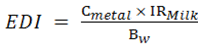 (1)
(1)
where EDI represents the daily intake of a specific metal (mg/kg/day), Cmetal is the concentration of the metal in milk (mg/kg), IRmilk is the average daily intake of milk (kg/day), and BW is the body weight of an adult (kg). The values for IRmilk and BW were adopted from Iqbal et al. (2020).
The THQ, as introduced by the EPA (1994), is defined as the ratio of the EDI of a metal to its oral Reference Dose (RfD; mg/kg/day). It reflects the risk level associated with non-carcinogenic effects from long-term exposure. A THQ value exceeding one indicates a potential health risk. The RfD values used for Cd, Co, Cr, Cu, Ni, Pb, and Zn were 0.001, 0.003, 0.04, 0.020, 0.0035, 0.004, and 0.300 µg/g, respectively (Iqbal et al., 2020).
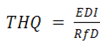 (2)
(2)
To assess the cumulative non-carcinogenic risk from multiple metals, the HI was calculated by summing the THQ values for all metals under investigation, as per the EPA guidelines for chemical mixture risk assessment (EPA, 1994; Giri and Singh, 2020):
Considering the cumulative risk assessment of metals in milk, HI was used, which is the sum of all the calculated THQ values of the studied metals (Equation 3), based on EPA’s Guidelines for health risk assessment of chemical mixtures. HI>1 suggests a potential for damaging effects on human health and promoters further detailed study (EPA, 1994; Giri and Singh, 2020).
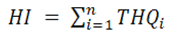 (3)
(3)
where THQi is the THQ of an individual metal. HI is the total HI for all the metals studied (n=7) in the current study.
Statistical analysis
Data was documented in Microsoft Excel (Microsoft Corporation, Washington, United States). Univariate analysis (minimum, maximum, mean, standard deviation, standard error, and Kurtosis) was computed by MS Excel. Multivariate analysis was carried out by SPSS software (version 29, IBM, SPSS Inc. New York, USA). Significance level was set at p<0.05.
Results and discussion
Chemical compositions of milk
The range and average values of fat, protein, lactose content, pH, and acidity are presented in Table 1. Fat content varied between 3.65-4.60%, protein ranged from 3.32-3.95%, and lactose from 4.25-4.82%, with corresponding mean values of 4.17, 3.67, and 4.54%, respectively. The average pH and acidity were recorded at 6.65 and 0.11%, respectively. Compared to previous findings by Arif et al. (2020) the fat, protein, and lactose contents observed in this study were comparatively higher. However, acidity and lactose levels were lower than those reported by Enb et al. (2009). Gargiulo et al. (2025) have reported that variations in fat, protein, and lactose levels could be attributed to various factors such as differences in animal physiology, stage of lactation, feed quality, and breed.
There are three types of elements depending upon concentration; major elements (concentrations>100 mg/g), minor elements (concentrations between 0.1-100 mg/g), and trace elements (concentrations<0.1 mg/g). Furthermore, elements/metals can also be classified as minerals and toxic metals. Mineral fraction in milk defines its quality. Some metals like lead (Pb) and cadmium (Cd) are non-essential, and have no biological significance, and pose health risks at very low levels but others like Fe and Zn are potential micronutrients having regulatory function in the body and healthy metabolic activities (Belete et al., 2014). However, essential metals intake at high levels can also have harmful effects on consumers (Jomova et al., 2025). These heavy metals impart noxious effects on health such as skeletal damage, kidney damage, anemia, osteoporosis, lungs cancer, blood cancer, and gastrointestinal problems (Puthiyavalappil et al., 2025).
With extensive progress of industrialization, urbanization, and agricultural activities, environmental contamination has become a serious threat worldwide. Heavy metals are persistent and non-biodegradable contaminants in the environment. Both natural and environmental sources are contributory for producing the hazardous impact (Belete et al., 2014), and are contaminating humans via food chain hence creating serious health issues. The heavy metals in the environmental components can transfer to human beings via food chains, causing serious human health issues. High levels of metals are found in plants and animal derived food products due to the bioaccumulation. Grazing on polluted soil and feeding on contaminated fodder cause contamination of milk and meat (Giri and Singh, 2020). Milk is a major source of heavy metals. Therefore, milk and milk products are required to be monitored for quality control measures to reduce this heavy metal contamination. Moreover, strict quality surveillance is required to control and monitor milk, and its products from farm to consumers (Banerjee et al., 2024; Rao and Murthy, 2017).
The objective of this study was (i) to quantify concentrations of heavy elements (Cd, cobalt (Co), chromium (Cr), Cu, nickel (Ni), Pb, and Zn), (ii) to compare metal data against international guidelines, (iii) to explore metals sources by principal component analysis, (iv) to determine the Estimated Daily Intake (EDI), Target Hazard Quotient (THQ), and Hazard Index (HI) in milk samples to measure their potential consumer risk. Therefore, metal levels assessment in milk provides complete knowledge to both environmental management policy makers and consumers.
Material and methods
Sampling
To conduct this study, 50 mixed milk samples were randomly collected from different areas of Sialkot during the summer of 2018. The origin of the milk (cow or buffalo) could not be confirmed, as it was often mixed by milk suppliers before being delivered to local milk shops. Each composite sample is made by mixing 3-5 milk samples taken from milk shops, with a distance of 0.1-1 km between them. From each shop, Two hundred and fifty ml of unprocessed liquid milk was purchased. After homogenization, 100 ml of milk was sampled into clean, acid-washed polyethylene bottles rinsed with distilled water, and stored in the laboratory for further analysis (Ismail et al., 2015).
Samples digestion and standards preparation
Milk samples were subjected to wet digestion. Briefly, approximately one g of the milk was placed in a 50 ml digestion flask containing 10 ml of concentrated nitric acid (65%, analytical reagent grade). The mixture was heated on a hot plate for 20 min at 80 °C. After cooling to room temperature, 5 ml of perchloric acid was added, and the mixture was reheated at 180 °C until white fumes with clear solution appeared and the volume was reduced to 2-3 ml. The digested sample was then diluted to a final volume of 50 ml using doubly distilled water (Ismail et al., 2015).
All chemicals used in this study were of analytical grade and obtained from Merck (Merck and Co., Inc., Germany) or British Drug Houses (BDH, United Kingdom). Glassware was thoroughly cleaned by soaking in 20% nitric acid (v/v) for a minimum of 24 h, followed by multiple rinses with double-distilled water and drying before use, as outlined by Iqbal et al. (2020).
Chemical composition
Standard procedures were followed to analyze the chemical properties of raw milk, including lactose, protein, fat content, acidity, and pH. Lactose percentage was measured according to the AOAC (2000), while protein content was determined using the Kjeldahl method. Fat percentage was assessed using the Gerber method. Acidity was measured through direct titration, following AOAC (2000) guidelines.
Metal analysis
Concentrations of Cd, Co, Cr, Cu, Ni, Pb, and Zn in the samples were determined using a flame atomic absorption spectrophotometer (Shimadzu AA 670, Japan) operated under optimal analytical conditions. Quantification of these metals was carried out using a calibration curve based on five standard solutions, as described by Saleem et al. (2014). Each sample was analyzed in triplicate, and results were reported as mean values. Instrument parameters, including wavelengths, were set according to the manufacturer's guidelines: 228.8 nm for Cd, 240.7 nm for Co, 357.9 nm for Cr, 324.8 nm for Cu, 232.0 nm for Ni, 217.0 nm for Pb, and 213.9 nm for Zn.
Quality control and quality assurance
To ensure quality assurance and control, the precision and accuracy of the analytical procedures were verified using standard reference materials, reagent blanks, and spiked blanks within each sample batch. Metal recoveries in the reference material ranged from 90 to 97%, indicating acceptable accuracy. The Limits of Detection (LOD) for Cd, Co, Cr, Cu, Ni, Pb, and Zn were 0.003, 0.004, 0.002, 0.005, 0.004, 0.006, and 0.004 mg/L, respectively. The corresponding Limits of Quantification (LOQ) were 0.008, 0.013, 0.006, 0.015, 0.011, 0.017, and 0.012 mg/L, respectively.
Health risk calculation
The Estimated daily intake (EDI) of metals through milk consumption was calculated using the following equation, as outlined by Giri and Singh (2020), Muhib et al. (2016), and Rafiq et al. (2022):
(1)where EDI represents the daily intake of a specific metal (mg/kg/day), Cmetal is the concentration of the metal in milk (mg/kg), IRmilk is the average daily intake of milk (kg/day), and BW is the body weight of an adult (kg). The values for IRmilk and BW were adopted from Iqbal et al. (2020).
The THQ, as introduced by the EPA (1994), is defined as the ratio of the EDI of a metal to its oral Reference Dose (RfD; mg/kg/day). It reflects the risk level associated with non-carcinogenic effects from long-term exposure. A THQ value exceeding one indicates a potential health risk. The RfD values used for Cd, Co, Cr, Cu, Ni, Pb, and Zn were 0.001, 0.003, 0.04, 0.020, 0.0035, 0.004, and 0.300 µg/g, respectively (Iqbal et al., 2020).
(2)To assess the cumulative non-carcinogenic risk from multiple metals, the HI was calculated by summing the THQ values for all metals under investigation, as per the EPA guidelines for chemical mixture risk assessment (EPA, 1994; Giri and Singh, 2020):
Considering the cumulative risk assessment of metals in milk, HI was used, which is the sum of all the calculated THQ values of the studied metals (Equation 3), based on EPA’s Guidelines for health risk assessment of chemical mixtures. HI>1 suggests a potential for damaging effects on human health and promoters further detailed study (EPA, 1994; Giri and Singh, 2020).
(3)where THQi is the THQ of an individual metal. HI is the total HI for all the metals studied (n=7) in the current study.
Statistical analysis
Data was documented in Microsoft Excel (Microsoft Corporation, Washington, United States). Univariate analysis (minimum, maximum, mean, standard deviation, standard error, and Kurtosis) was computed by MS Excel. Multivariate analysis was carried out by SPSS software (version 29, IBM, SPSS Inc. New York, USA). Significance level was set at p<0.05.
Results and discussion
Chemical compositions of milk
The range and average values of fat, protein, lactose content, pH, and acidity are presented in Table 1. Fat content varied between 3.65-4.60%, protein ranged from 3.32-3.95%, and lactose from 4.25-4.82%, with corresponding mean values of 4.17, 3.67, and 4.54%, respectively. The average pH and acidity were recorded at 6.65 and 0.11%, respectively. Compared to previous findings by Arif et al. (2020) the fat, protein, and lactose contents observed in this study were comparatively higher. However, acidity and lactose levels were lower than those reported by Enb et al. (2009). Gargiulo et al. (2025) have reported that variations in fat, protein, and lactose levels could be attributed to various factors such as differences in animal physiology, stage of lactation, feed quality, and breed.
Table 1: Chemical composition of the collected mixed milk samples (n=50)
| Fat (%) | Protein (%) | Lactose | pH | Acidity | |
| Minimum | 3.65 | 3.32 | 4.25 | 6.23 | 0.08 |
| Maximum | 4.60 | 3.95 | 4.82 | 7.13 | 0.20 |
| Mean | 4.17 | 3.67 | 4.54 | 6.65 | 0.11 |
| Standard Deviation (SD) | 0.25 | 0.18 | 0.18 | 0.27 | 0.03 |
Heavy metals concentrations in mixed milk
Descriptive statistics for heavy metals in milk samples are summarized in Table 2. Among these, Zn showed the highest average concentration, followed by Cu, Co, Pb, Ni, Cr, and Cd.
Cd is a highly toxic contaminant with no known biological function in humans. The International Dairy Federation sets the maximum permissible limit for Cd in milk at 0.0026 µg/g (IDF, 1978). In this study, Cd levels exceeded this limit as well as those set by the IDF (1978). The mean cadmium concentration was also higher than previously reported values by Arif et al. (2020) and Ismail et al. (2015) (Table 3). In industrial areas, Cd is released into the environment through metal smelting, mining, and other industrial activities, leading to soil, water, and air contamination (Yunfeng et al., 2025). These results demonstrate the severity of Cd contamination in local milk samples and its considerable implications for human exposure through the pasture-cow-milk dietary pathway. Given these risks, mitigation efforts should focus on strengthening soil heavy metal remediation policies, alongside targeted dietary recommendations particularly for vulnerable subpopulations to minimize exposure through regulated dairy consumption.
Co, an essential element for vitamin B12 synthesis and red blood cell production, is necessary for proper thyroid function, but elevated levels can be toxic (Anandkumar et al., 2017; Yilmaz et al., 2010). The average Co level found here (0.094 µg/g) (p≤0.05) was higher than those reported by Enb et al. (2009) (0.004 µg/g), Giri and Singh (2020) (0.038 µg/g), and Ismail et al. (2015) (0.061 µg/g), but lower than the 0.122 µg/g reported by Rao and Murthy (2017). Co contamination in milk can arise from various environmental sources, such as industrial waste, phosphate fertilizers, and polluted soil and water. Cattle may accumulate Co by grazing on contaminated pastures, ingesting tainted feed and water, or even through airborne exposure.
Cr is a toxic metal associated with cancer, respiratory, and reproductive disorders (Nur-E-Alam et al., 2020). Although Giri and Singh (2020) reported higher Cr levels in milk (3.75 and 0.156 µg/g, respectively), the mean level found in this study (0.040 µg/g) was similar to that reported by Enb et al. (2009). Moreover, Cr concentrations were below the WHO permissible limit of 1.61 mg/kg (Kamal et al., 2022). These findings suggest that the cumulative risk of Cr exposure through milk consumption remains at moderate levels. Nevertheless, comprehensive monitoring of both organic and inorganic contaminants in dairy products is essential. Regulatory authorities should establish and enforce stringent contamination control protocols to ensure long-term food safety (Shahzad et al., 2025).
Cu is vital for various enzymes, but excessive intakes can damage the liver and kidneys (Anandkumar et al., 2017). Cu was detected in all milk samples with concentrations ranging from 0.106 to 1.273 µg/g and a mean of 0.454 µg/g (p≤0.05). This average was higher than levels reported by Enb et al. (2009) (0.201 µg/g) and Rao and Murthy (2017) (0.218 µg/g), but lower than those reported by Arif et al. (2020) (1.22 µg/g), Giri and Singh (2020) (0.889 µg/g), and Ismail et al. (2015) (0.738 µg/g). According to IDF (1978) the mean Cu concentration permissible limit is 0.01 mg/L. Hassan and Elarnaoutti (2025) have reported that those heavy metals such as Cu binds to some components of milk especially casein, whey proteins, and fat globule membrane during the process of milk production in the udder. These findings are in corroboration with the reports by Hassan and Elarnaoutti (2025).
Ni, widely present in the environment, has carcinogenic potential at elevated levels (WHO, 2017). The mean Ni concentration in this study (0.052 µg/g) (p≤0.05) was higher than values reported by Arif et al. (2020) (0.044 µg/g), Enb et al. (2009) (0.003 µg/g), Ismail et al. (2015) (0.028 µg/g), and Rao and Murthy (2017) (below detection limit), but lower than the 0.739 µg/g reported by Giri and Singh (2020). Ni is naturally present in soil and can be absorbed by plants used as feed, eventually making its way into milk contamination.
Pb is a well-known toxic metal whose levels in food continue to rise due to human activities (Ismail et al., 2015). The mean Pb concentration in our study (0.061 µg/g) (p≤0.05) was higher than that reported by Arif et al. (2020) and Ismail et al. (2015), approximately equal to that reported by Enb et al. (2009), and lower than levels reported by Giri and Singh (2020). Notably, nearly 90% of milk samples exceeded the IDF (1978) permissible limit of 0.02 µg/g, indicating a health risk for consumers. While Pb contamination in milk more commonly originates from feed and water, it can also be introduced during processing and/or storage.
Zn, essential for numerous cellular functions and enzyme activities (Arulkumar et al., 2017), had a mean concentration slightly above the permissible limit set by the IDF (1978). In comparison, the Zn levels were lower than those reported by Enb et al. (2009) and Rao and Murthy (2017), but higher than values reported by Arif et al. (2020) and Giri and Singh (2020).
Sialkot area of Pakistan is mainly an industrial area with many different factories such as leather and surgical industries (Junaid et al., 2017). Industrial pollution, such as improper waste disposal and emissions from factories, can incorporate heavy metals into the environment, affecting soil, water; these are consumed by milking animals directly or indirectly and ultimately contaminate milk.
Descriptive statistics for heavy metals in milk samples are summarized in Table 2. Among these, Zn showed the highest average concentration, followed by Cu, Co, Pb, Ni, Cr, and Cd.
Cd is a highly toxic contaminant with no known biological function in humans. The International Dairy Federation sets the maximum permissible limit for Cd in milk at 0.0026 µg/g (IDF, 1978). In this study, Cd levels exceeded this limit as well as those set by the IDF (1978). The mean cadmium concentration was also higher than previously reported values by Arif et al. (2020) and Ismail et al. (2015) (Table 3). In industrial areas, Cd is released into the environment through metal smelting, mining, and other industrial activities, leading to soil, water, and air contamination (Yunfeng et al., 2025). These results demonstrate the severity of Cd contamination in local milk samples and its considerable implications for human exposure through the pasture-cow-milk dietary pathway. Given these risks, mitigation efforts should focus on strengthening soil heavy metal remediation policies, alongside targeted dietary recommendations particularly for vulnerable subpopulations to minimize exposure through regulated dairy consumption.
Co, an essential element for vitamin B12 synthesis and red blood cell production, is necessary for proper thyroid function, but elevated levels can be toxic (Anandkumar et al., 2017; Yilmaz et al., 2010). The average Co level found here (0.094 µg/g) (p≤0.05) was higher than those reported by Enb et al. (2009) (0.004 µg/g), Giri and Singh (2020) (0.038 µg/g), and Ismail et al. (2015) (0.061 µg/g), but lower than the 0.122 µg/g reported by Rao and Murthy (2017). Co contamination in milk can arise from various environmental sources, such as industrial waste, phosphate fertilizers, and polluted soil and water. Cattle may accumulate Co by grazing on contaminated pastures, ingesting tainted feed and water, or even through airborne exposure.
Cr is a toxic metal associated with cancer, respiratory, and reproductive disorders (Nur-E-Alam et al., 2020). Although Giri and Singh (2020) reported higher Cr levels in milk (3.75 and 0.156 µg/g, respectively), the mean level found in this study (0.040 µg/g) was similar to that reported by Enb et al. (2009). Moreover, Cr concentrations were below the WHO permissible limit of 1.61 mg/kg (Kamal et al., 2022). These findings suggest that the cumulative risk of Cr exposure through milk consumption remains at moderate levels. Nevertheless, comprehensive monitoring of both organic and inorganic contaminants in dairy products is essential. Regulatory authorities should establish and enforce stringent contamination control protocols to ensure long-term food safety (Shahzad et al., 2025).
Cu is vital for various enzymes, but excessive intakes can damage the liver and kidneys (Anandkumar et al., 2017). Cu was detected in all milk samples with concentrations ranging from 0.106 to 1.273 µg/g and a mean of 0.454 µg/g (p≤0.05). This average was higher than levels reported by Enb et al. (2009) (0.201 µg/g) and Rao and Murthy (2017) (0.218 µg/g), but lower than those reported by Arif et al. (2020) (1.22 µg/g), Giri and Singh (2020) (0.889 µg/g), and Ismail et al. (2015) (0.738 µg/g). According to IDF (1978) the mean Cu concentration permissible limit is 0.01 mg/L. Hassan and Elarnaoutti (2025) have reported that those heavy metals such as Cu binds to some components of milk especially casein, whey proteins, and fat globule membrane during the process of milk production in the udder. These findings are in corroboration with the reports by Hassan and Elarnaoutti (2025).
Ni, widely present in the environment, has carcinogenic potential at elevated levels (WHO, 2017). The mean Ni concentration in this study (0.052 µg/g) (p≤0.05) was higher than values reported by Arif et al. (2020) (0.044 µg/g), Enb et al. (2009) (0.003 µg/g), Ismail et al. (2015) (0.028 µg/g), and Rao and Murthy (2017) (below detection limit), but lower than the 0.739 µg/g reported by Giri and Singh (2020). Ni is naturally present in soil and can be absorbed by plants used as feed, eventually making its way into milk contamination.
Pb is a well-known toxic metal whose levels in food continue to rise due to human activities (Ismail et al., 2015). The mean Pb concentration in our study (0.061 µg/g) (p≤0.05) was higher than that reported by Arif et al. (2020) and Ismail et al. (2015), approximately equal to that reported by Enb et al. (2009), and lower than levels reported by Giri and Singh (2020). Notably, nearly 90% of milk samples exceeded the IDF (1978) permissible limit of 0.02 µg/g, indicating a health risk for consumers. While Pb contamination in milk more commonly originates from feed and water, it can also be introduced during processing and/or storage.
Zn, essential for numerous cellular functions and enzyme activities (Arulkumar et al., 2017), had a mean concentration slightly above the permissible limit set by the IDF (1978). In comparison, the Zn levels were lower than those reported by Enb et al. (2009) and Rao and Murthy (2017), but higher than values reported by Arif et al. (2020) and Giri and Singh (2020).
Sialkot area of Pakistan is mainly an industrial area with many different factories such as leather and surgical industries (Junaid et al., 2017). Industrial pollution, such as improper waste disposal and emissions from factories, can incorporate heavy metals into the environment, affecting soil, water; these are consumed by milking animals directly or indirectly and ultimately contaminate milk.
Table 2: Descriptive statistical analysis of heavy metals in collected mixed milk samples (n=50)
| Cadmium (Cd) | Cobalt (Co) | Chromium (Cr) | Copper (Cu) | Nickel (Ni) | Lead (Pb) | Zinc (Zn) | |
| Minimum | 0.009 | 0.026 | 0.007 | 0.106 | 0.015 | 0.014 | 1.457 |
| Maximum | 0.047 | 0.144 | 0.098 | 1.273 | 0.082 | 0.132 | 6.908 |
| Mean | 0.028 | 0.094 | 0.040 | 0.454 | 0.052 | 0.061 | 3.781 |
| Median | 0.027 | 0.108 | 0.034 | 0.407 | 0.056 | 0.057 | 3.466 |
| Standard Deviation | 0.011 | 0.036 | 0.024 | 0.265 | 0.018 | 0.030 | 1.652 |
| Standard Error | 0.002 | 0.005 | 0.003 | 0.038 | 0.003 | 0.004 | 0.234 |
| Kurtosis | -1.199 | -1.026 | -0.109 | 1.317 | -0.805 | -0.182 | -1.286 |
Table 3: Mean metal levels (μg/g) in the collected milk samples in other worldwide
| Cadmium (Cd) | Cobalt (Co) | Chromium (Cr) | Copper (Cu) | Nickel (Ni) | Lead (Pb) | Zinc (Zn) | References |
| 0.028 | 0.094 | 0.040 | 0.454 | 0.052 | 0.061 | 3.781 | Current Study |
| 0.0026 | - | - | 0.010 | - | 0.020 | 0.328 | IDF (1978) |
| 0.106 | 0.004 | 0.040 | 0.201 | 0.003 | 0.062 | 4.350 | Enb et al. (2009) |
| 0.001 | 0.061 | - | 0.738 | 0.028 | 0.014 | - | Ismail et al. (2015) |
| 0.25 | - | 3.75 | 0.5 | - | 2.0 | - | - |
| 0.021 | - | - | 1.22 | 0.044 | 0.024 | 2.42 | Arif et al. (2020) |
| - | 0.038 | 0.156 | 0.889 | 0.739 | 0.277 | 1.411 | Giri and Singh (2020) |
| - | 0.122 | - | 0.218 | MDL | - | 18.419 | Rao and Murthy (2017) |
Health risk assessment
To evaluate the human health risk associated with the milk consumption in urban area, EDI, THQ, and HI were calculated. The heavy metal’s toxicity to human depends upon its daily intake (Meena and Kaur, 2016). The EDI was determined for Cd, Co, Cr, Cu, Ni, Pb, and Zn based on milk consumption by both adults and children. Regardless of magnitude, the metals followed this decreasing order of intake: Zn>Cu>Co>Pb>Ni>Cr>Cd. Zn and Cu had the highest daily intake values, followed by Co and Pb. Generally, EDI values were higher for younger children than for adults, primarily due to differences in body weight.
Heavy metals can accumulate in milk because of their complex-forming capacity, posing potential health risks when ingested through contaminated foodstuffs such as milk (Perveen et al., 2017). To assess non-carcinogenic risks from exposure to these metals via milk, THQ values were calculated for both adults and children based on average metal concentrations (Table 3). A THQ value below one indicates no significant health risk, whereas values above one suggest possible adverse effects (Boudebbouz et al., 2021). For children aged 2-4 years, the maximum THQ values were 1.78 (Cd), 0.10 (Co), 0.84 (Cr), 0.72 (Cu), 0.17 (Ni), 0.96 (Pb), and 0.80 (Zn). The metals posed risks in the following order: Cd>Pb>Cr>Zn>Cu>Ni>Co, indicating that Cd and Pb represent the highest risk, especially for young children, while Ni and Co showed lower risk levels.
Since exposure to multiple heavy metals can have cumulative effects, the HI was also calculated. The HI values ranged from 0.49 to 3.38, indicating potential health risks for children, particularly the youngest age groups. An HI below one suggests minimal or no adverse health effects, whereas values exceeding one indicate potential carcinogenic or harmful impacts (Iqbal et al., 2020; Lee et al., 2005). Cd (33%) and Pb (18%) were the major contributors to the HI, while Ni and Co contributed the least. The overall contribution trend was: Cd>Pb>Cr>Zn>Cu>Ni>Co. Importantly, HI values for children exceeded one, suggesting a greater health risk compared to adults.
The analysis reveals a critical public health concern, as mean concentrations of key toxic metals far exceeded international safety limits. Most alarmingly, Cd (0.028 µg/g) severely surpassed the IDF limit (0.0026 µg/g) by more than tenfold, and Pb (0.061 µg/g) exceeded the IDF limit (0.02 µg/g) by a factor of three. Although Zn was the most abundant metal, its mean level (3.781 µg/g) was only slightly above the permissible limit. This severe exceedance of the strictest standards for Cd and Pb highlights these elements as the primary contaminants of concern, indicating that milk from this industrial region is a significant route of human exposure to hazardous metals and necessitating immediate regulatory intervention.
The elevated health risks associated with milk consumption in urban areas of Pakistan, as indicated by THQ and HI values exceeding safe thresholds for children, align with findings from recent studies in the region. For instance, research in Abbottabad revealed that buffalo milk contained high levels of Cr, Pb, and Cd, with EDI and Health Risk Index (HRI), values often surpassing recommended limits, particularly for children (Rafiq et al., 2022). Similarly, industrial areas like Sialkot and Raipur demonstrated significant heavy metal contamination in milk due to untreated wastewater irrigation and industrial pollution, with Cd and Pb posing the highest non-carcinogenic risks (Shahzad et al., 2025). These findings underscore the urgent need for stricter regulatory measures, continuous monitoring of milk quality, and public awareness campaigns to mitigate exposure, especially for vulnerable populations like children who face higher cumulative risks from multiple metals.
To evaluate the human health risk associated with the milk consumption in urban area, EDI, THQ, and HI were calculated. The heavy metal’s toxicity to human depends upon its daily intake (Meena and Kaur, 2016). The EDI was determined for Cd, Co, Cr, Cu, Ni, Pb, and Zn based on milk consumption by both adults and children. Regardless of magnitude, the metals followed this decreasing order of intake: Zn>Cu>Co>Pb>Ni>Cr>Cd. Zn and Cu had the highest daily intake values, followed by Co and Pb. Generally, EDI values were higher for younger children than for adults, primarily due to differences in body weight.
Heavy metals can accumulate in milk because of their complex-forming capacity, posing potential health risks when ingested through contaminated foodstuffs such as milk (Perveen et al., 2017). To assess non-carcinogenic risks from exposure to these metals via milk, THQ values were calculated for both adults and children based on average metal concentrations (Table 3). A THQ value below one indicates no significant health risk, whereas values above one suggest possible adverse effects (Boudebbouz et al., 2021). For children aged 2-4 years, the maximum THQ values were 1.78 (Cd), 0.10 (Co), 0.84 (Cr), 0.72 (Cu), 0.17 (Ni), 0.96 (Pb), and 0.80 (Zn). The metals posed risks in the following order: Cd>Pb>Cr>Zn>Cu>Ni>Co, indicating that Cd and Pb represent the highest risk, especially for young children, while Ni and Co showed lower risk levels.
Since exposure to multiple heavy metals can have cumulative effects, the HI was also calculated. The HI values ranged from 0.49 to 3.38, indicating potential health risks for children, particularly the youngest age groups. An HI below one suggests minimal or no adverse health effects, whereas values exceeding one indicate potential carcinogenic or harmful impacts (Iqbal et al., 2020; Lee et al., 2005). Cd (33%) and Pb (18%) were the major contributors to the HI, while Ni and Co contributed the least. The overall contribution trend was: Cd>Pb>Cr>Zn>Cu>Ni>Co. Importantly, HI values for children exceeded one, suggesting a greater health risk compared to adults.
The analysis reveals a critical public health concern, as mean concentrations of key toxic metals far exceeded international safety limits. Most alarmingly, Cd (0.028 µg/g) severely surpassed the IDF limit (0.0026 µg/g) by more than tenfold, and Pb (0.061 µg/g) exceeded the IDF limit (0.02 µg/g) by a factor of three. Although Zn was the most abundant metal, its mean level (3.781 µg/g) was only slightly above the permissible limit. This severe exceedance of the strictest standards for Cd and Pb highlights these elements as the primary contaminants of concern, indicating that milk from this industrial region is a significant route of human exposure to hazardous metals and necessitating immediate regulatory intervention.
The elevated health risks associated with milk consumption in urban areas of Pakistan, as indicated by THQ and HI values exceeding safe thresholds for children, align with findings from recent studies in the region. For instance, research in Abbottabad revealed that buffalo milk contained high levels of Cr, Pb, and Cd, with EDI and Health Risk Index (HRI), values often surpassing recommended limits, particularly for children (Rafiq et al., 2022). Similarly, industrial areas like Sialkot and Raipur demonstrated significant heavy metal contamination in milk due to untreated wastewater irrigation and industrial pollution, with Cd and Pb posing the highest non-carcinogenic risks (Shahzad et al., 2025). These findings underscore the urgent need for stricter regulatory measures, continuous monitoring of milk quality, and public awareness campaigns to mitigate exposure, especially for vulnerable populations like children who face higher cumulative risks from multiple metals.
Table 4: Estimated Daily Intake (EDI), Target Hazard Quotient (THQ), and Hazard Index (HI) of heavy metals intake via mixed milk
| Cadmium (Cd) | Cobalt (Co) | Chromium (Cr) | Copper (Cu) | Nickel (Ni) | Lead (Pb) | Zinc (Zn) | HI | ||
| RfD | 0.001 | 0.06 | 0.003 | 0.04 | 0.02 | 0.004 | 0.3 | - | |
| Cmetal | 0.03 | 0.09 | 0.04 | 0.45 | 0.05 | 0.06 | 3.78 | - | |
| IRmilk | 1 | 1 | 1 | 1 | 1 | 1 | 1 | - | |
| Adult | Bw | 60 | 60 | 60 | 60 | 60 | 60 | 60 | - |
| > 16 yrs | EDI | 0.00 | 0.00 | 0.00 | 0.01 | 0.00 | 0.00 | 0.06 | - |
| THQ | 0.47 | 0.03 | 0.22 | 0.19 | 0.04 | 0.25 | 0.21 | 1.41 | |
| Children | IRmilk | 0.8 | 0.8 | 0.8 | 0.8 | 0.8 | 0.8 | 0.8 | - |
| 10-15 yrs | Bw | 30 | 30 | 30 | 30 | 30 | 30 | 30 | - |
| EDI | 0.00 | 0.00 | 0.00 | 0.01 | 0.00 | 0.00 | 0.10 | - | |
| THQ | 0.75 | 0.04 | 0.35 | 0.30 | 0.07 | 0.40 | 0.34 | 2.25 | |
| IRmilk | 0.8 | 0.8 | 0.8 | 0.8 | 0.8 | 0.8 | 0.8 | - | |
| Children | Bw | 18 | 18 | 18 | 18 | 18 | 18 | 18 | - |
| 4-10 yrs | EDI | 0.00 | 0.00 | 0.00 | 0.02 | 0.00 | 0.00 | 0.17 | - |
| THQ | 1.24 | 0.07 | 0.59 | 0.50 | 0.12 | 0.67 | 0.56 | 3.76 | |
| IRmilk | 0.7 | 0.7 | 0.7 | 0.7 | 0.7 | 0.7 | 0.7 | - | |
| Children | Bw | 11 | 11 | 11 | 11 | 11 | 11 | 11 | - |
| 2-4 yrs | EDI | 0.00 | 0.01 | 0.00 | 0.03 | 0.00 | 0.00 | 0.24 | - |
| THQ | 1.78 | 0.10 | 0.84 | 0.72 | 0.17 | 0.96 | 0.80 | 5.38 |
*RfD=Reference Dose; Cmetal=metal level in milk; IRmilk=daily intake of milk; Bw=body weight of consumer
Conclusion
Dairy products are widely popular around the world because of their outstanding nutritional benefits. This study measured heavy metal levels and associated health risks in milk samples collected from local milk shops. The average fat, protein, and lactose contents were 4.25, 3.50, and 4.52%, respectively, while the mean pH and acidity values were 6.65 and 0.11. Heavy metal concentrations ranked as followed: Zn>Cu>Co>Pb>Ni>Cr>Cd. Levels of Cd, Cu, Zn, and Pb exceeded the maximum permissible limits set by the IDF. The primary sources of these metals in milk are animal feed and adulterants, with contamination originating from irrigation water (groundwater or surface water), agricultural activities (fertilizers and pesticides/herbicides), and atmospheric deposition. EDI of metals for adults and children followed a similar decreasing order: Zn>Cu>Co>Pb>Ni>Cr>Cd. For children aged 2-4 years, the highest THQ values were for Cd (1.78) and Pb (0.96), followed by Cr (0.84), Zn (0.80), Cu (0.72), Ni (0.17), and Co (0.10). The THQ results indicated that Cd and Pb pose the greatest health risks, especially for young children, while Ni and Co pose lower risks. Cd (33%) and Pb (18%) were the major contributors to the HI, with Ni and Co contributing the least. The overall contribution to HI followed this order: Cd>Pb>Cr>Zn>Cu>Ni>Co. Since HI values for children exceeded one, they are at greater risk compared to adults. In conclusion, ensuring proper monitoring of feed quality and implementing safe milk handling practices are essential to protect consumer health.
Author contributions
Formal analysis, investigations and experiments were conducted by M.U.F. and M.S.; Q.F.K., C.K.Y., M.Z., and M.S.I. helped in conceptualization, methodology, data analysis, writing original draft preparation; H.A.S. did conceptualization, supervision, project administration, data validation, writing review and editing. All authors have read and agreed to the published version of the manuscript.
Acknowledgements
We are grateful to National Centre for Physics, Islamabad and School of Food Science and Technology, Jiangnan University, Wuxi, China for providing research facilities.
Conflicts of interest
The authors declare that there is no conflict of interest.
Funding
This research received no specific grant from any funding agency in the public, commercial, or non-profit sectors.
Ethical consideration
Not applicable.
References
Anandkumar A., Nagarajan R., Prabakaran K., Rajaram R. (2017). Trace metal dynamics and risk assessment in the commercially important marine shrimp species collected from the Miri coast, Sarawak, East Malaysia. Regional Studies in Marine Science. 16: 79-88. [DOI: 10.1016/j.rsma.2017.08.007]
Arif A.M., Javed I., Ayaz M., Abdullah M., Imran M., Rashid A., Shahbaz M., Gondal T.A., Qaisarani T.B., Iqbal Z., Salehi B., Sharifi-Rad J., et al. (2020). Chemical composition, adulteration, total microbial load, and heavy metal in raw milk samples collected from dairy farms and urban areas in Lahore District, Pakistan. Journal of Food Safety. 40: e12729. [DOI: 10.1111/jfs.12729]
Arulkumar A., Paramasivam S., Rajaram R. (2017). Toxic heavy metals in commercially important food fishes collected from Palk Bay, Southeastern India. Marine Pollution Bulletin. 119: 454-459. [DOI: 10.1016/j.marpolbul.2017.03.045]
Association of Official Analytical Chemists (AOAC). (2000). Official methods of analysis. 17th edition. AOAC International. Gaithersburg, MD, USA. URL: https://www.law.resource.org/ pub/us/cfr/ibr/002/aoac.methods.1.1990.pdf. Accessed 20 August 2023.
Banerjee K., Van Den Bijgaart H., Holroyd S., Knödlseder M., Konings E. (2024). Food safety challenges in the dairy supply chain in India: controlling risks and developing a structured surveillance system. International Dairy Journal. 157: 106004. [DOI: 10.1016/j.idairyj.2024.106004]
Belete T., Hussen A., Rao V.M. (2014). Determination of concentrations of selected heavy metals in cow’s milk: Borena zone, Ethiopia. Journal of Health Science. 4: 105-112. [DOI: 10.5923/j.health.20140405.01]
Boudebbouz A., Boudalia S., Bousbia A., Habila S., Boussadia M.I., Gueroui Y. (2021). Heavy metals levels in raw cow milk and health risk assessment across the globe: a systematic review. Science of the Total Environment. 751: 141830. [DOI: 10.1016/j.scitotenv.2020.141830]
Bréjon M., Tavares F., Florença S.G., Gonçalves J.C., Barroca M.J., Guiné R.P.F. (2024). Milk: a nutritive and healthy food? consumer perspective from French and Portuguese participants. Applied Sciences. 14: 3577. [DOI: 10.3390/ app14093577]
Enb A., Abou-Donia M.A., Abd-Rabou N.S., Abou-Arab A.A.K., El-Senaity M.H. (2009). Chemical composition of raw milk and heavy metals behavior during processing of milk products. Global Veterinaria. 3: 268-275.
Environmental Protection Agency (EPA). (1994). Health effects assessment summary tables. Office of Emergency and Remedial Response, Washington, DC. URL: https://nepis.epa.gov/Exe/ ZyPURL.cgi?Dockey=2000A70F.TXT. Accessed 1 August 2024.
Gargiulo J.I., Garcia S.C., Hovey R.C. (2025). Sources of variation underlying the production of lactose by dairy cows. Journal of Dairy Science. 108: 4403-4421. [DOI: 10.3168/jds.2024-25644]
Giri S., Singh A.K. (2020). Human health risk assessment due to metals in cow's milk from Singhbhum copper and iron mining areas, India. Journal of Food Science and Technology. 57: 1415-1420. [DOI: 10.1007/s13197-019-04176-9]
Hassan T.M., Elarnaoutti M.S. (2025). Heavy metals transfer from milk into milk products. Turkish Journal of Agriculture - Food Science and Technology. 13: 900-906. [DOI: 10.24925/turjaf.v13i4.900-906.7292]
International Dairy Federation (IDF). (1978). Bulletin of the IDF N° 105/1978: metal contamination in milk and milk products. International Dairy Federation. Brussels, Belgium. URL: https://shop.fil-idf.org/products/metal-contaminants-in-milk-and-milk-products. Accessed 21 September 2023.
Iqbal Z., Abbas F., Ibrahim M., Qureshi T.I., Gul M., Mahmood A. (2020). Human health risk assessment of heavy metals in raw milk of buffalo feeding at wastewater-irrigated agricultural farms in Pakistan. Environmental Science and Pollution Research. 27: 29567-29579. [DOI: 10.1007/s11356-020-09256-4]
Ismail A., Riaz M., Akhtar S., Ismail T., Ahmad Z., Hashmi M.S. (2015). Estimated daily intake and health risk of heavy metals by consumption of milk. Food Additives and Contaminants: Part B. 8: 260-265. [DOI: 10.1080/ 19393210.2015.1081989]
Jomova K., Alomar S.Y., Nepovimova E., Kuca K., Valko M. (2025). Heavy metals: toxicity and human health effects. Archives of Toxicology. 99: 153-209. [DOI: 10.1007/s00204-024-03903-2]
Junaid M., Hashmi M.Z., Tang Y.-M., Malik R.N., Pei D.-S. (2017). Potential health risk of heavy metals in the leather manufacturing industries in Sialkot, Pakistan. Scientific Reports. 7: 8848. [DOI: 10.1038/s41598-017-09075-7]
Kamal G.M., Rehmani M.N., Iqbal S.Z., Uddin J., Nazir S., Rehman J.U., Hussain A.I., Mousavi Khaneghah A. (2022). The determination of potentially toxic elements (PTEs) in milk from the southern cities of Punjab, Pakistan: a health risk assessment study. Journal of Food Composition and Analysis. 108: 104446. [DOI: 10.1016/j.jfca.2022.104446]
Lee J.-S., Chon H.-T., Kim K.-W. (2005). Human risk assessment of As, Cd, Cu and Zn in the abandoned metal mine site. Environmental Geochemistry and Health. 27: 185-191. [DOI: 10.1007/s10653-005-0131-6]
Meena A., Kaur R. (2016). Human health risk assessment for heavy metals via intake of contaminated milk and milk products. Journal of Applied and Natural Science. 8: 1603-1610. [DOI: 10.31018/JANS.V8I3.1008]
Muhib M.I., Chowdhury M.A.Z., Easha N.J., Rahman M.M., Shammi M., Fardous Z., Bari M.L., Uddin M.K., Kurasaki M., Alam M.K. (2016). Investigation of heavy metal contents in cow milk samples from area of Dhaka, Bangladesh. International Journal of Food Contamination. 3: 16. [DOI: 10.1186/s40550-016-0039-1]
Nur-E-Alam M., Mia A.S., Ahmad F., Rahman M. (2020). An overview of chromium removal techniques from tannery effluent. Applied Water Science. 10: 205. [DOI: 10.1007/ s13201-020-01286-0]
Perveen I., Raza M.A., Sehar S., Naz I., Young B., Ahmed S. (2017). Heavy metal contamination in water, soil, and milk of the industrial area adjacent to Swan River, Islamabad, Pakistan. Human and Ecological Risk Assessment: an International Journal. 23: 1564-1572. [DOI: 10.1080/ 10807039.2017.1321956]
Puthiyavalappil R., Ashwathi A.V., Sabeel M.B., Haribabu J., Santibanez J.F., Garrote C.A., Arulraj A., Mangalaraja R.V. (2025). Exposure to cadmium and its impacts on human health: a short review. Journal of Hazardous Materials Advances. 17: 100608. [DOI: 10.1016/j.hazadv.2025.100608]
Rafiq A., Shah M.H., Mohany M., Tahir A.A., Elsadek M.F., Qayyum M.A., Abbasi A.M. (2022). Evaluation of potentially toxic trace metals and associated health risk assessment in buffalo milk. International Journal of Environmental Research and Public Health. 19: 14678. [DOI: 10.3390/ijerph192214678]
Rao V.M., Murthy H.C.A. (2017). Determination of concentrations of selected heavy metals in cow’s milk: Dodoma Urban District, Tanzania. Journal of Engineering Research and Application. 7: 76-84. [DOI: 10.9790/9622-0704067684]
Saleem M., Iqbal J., Shah M.H. (2014). Dissolved concentrations, sources, and risk evaluation of selected metals in surface water from Mangla lake, Pakistan. The Scientific World Journal. 2014. [DOI: 10.1155/2014/948396]
Sanjulián L., Fernández-Rico S., González-Rodríguez N., Cepeda A., Miranda J.M., Fente C., Lamas A., Regal P. (2025). The role of dairy in human nutrition: myths and realities. Nutrients. 17: 646. [DOI: 10.3390/nu17040646]
Sayed Z.A., Muhammad N.K., Anjum Z.N. (2024). A mini review on dairy sector and production in Pakistan. Pakistan Journal of Scientific and Industrial Research Series B: Biological Sciences. 67B: 290-297.
Shahzad S., Ashraf K., Ehsan N., Sultan K., Abbasi A., Tabassum S., Muzamil A., Rebouh N.Y., Zaman Q.U. (2025). Assessment of hazardous trace metals and associated health risk as affected by feed intake in buffalo milk. Scientific Reports. 15: 9841 [DOI: 10.1038/s41598-025-92256-6]
World Health Organization (WHO). (2017). Guidelines for drinking-water quality. 4th edition. World Health Organization, Geneva, Switzerland. URL: https://www.who.int/publications/i/ item/ 9789241549950. Accessed 29 July 2025.
Yilmaz A.B., Sangun M.K., Yaglioglu D., Turan C. (2010). Metals (major, essential to non-essential) composition of the different tissues of three demersal fish species from Iskenderun Bay, Turkey. Food Chemistry. 123: 410-415. [DOI: 10.1016/ j.foodchem.2010.04.057]
Yunfeng Y., Mingjie P., Yingying L., HuaHu X., Suhang W., Chi Z., Sheng L., Bing N. (2025). Assessing heavy metal risks in liquid milk: Dietary exposure and carcinogenicity in China. Journal of Dairy Science. 108: 6838-6851. [DOI: 10.3168/jds.2025-26459]
Dairy products are widely popular around the world because of their outstanding nutritional benefits. This study measured heavy metal levels and associated health risks in milk samples collected from local milk shops. The average fat, protein, and lactose contents were 4.25, 3.50, and 4.52%, respectively, while the mean pH and acidity values were 6.65 and 0.11. Heavy metal concentrations ranked as followed: Zn>Cu>Co>Pb>Ni>Cr>Cd. Levels of Cd, Cu, Zn, and Pb exceeded the maximum permissible limits set by the IDF. The primary sources of these metals in milk are animal feed and adulterants, with contamination originating from irrigation water (groundwater or surface water), agricultural activities (fertilizers and pesticides/herbicides), and atmospheric deposition. EDI of metals for adults and children followed a similar decreasing order: Zn>Cu>Co>Pb>Ni>Cr>Cd. For children aged 2-4 years, the highest THQ values were for Cd (1.78) and Pb (0.96), followed by Cr (0.84), Zn (0.80), Cu (0.72), Ni (0.17), and Co (0.10). The THQ results indicated that Cd and Pb pose the greatest health risks, especially for young children, while Ni and Co pose lower risks. Cd (33%) and Pb (18%) were the major contributors to the HI, with Ni and Co contributing the least. The overall contribution to HI followed this order: Cd>Pb>Cr>Zn>Cu>Ni>Co. Since HI values for children exceeded one, they are at greater risk compared to adults. In conclusion, ensuring proper monitoring of feed quality and implementing safe milk handling practices are essential to protect consumer health.
Author contributions
Formal analysis, investigations and experiments were conducted by M.U.F. and M.S.; Q.F.K., C.K.Y., M.Z., and M.S.I. helped in conceptualization, methodology, data analysis, writing original draft preparation; H.A.S. did conceptualization, supervision, project administration, data validation, writing review and editing. All authors have read and agreed to the published version of the manuscript.
Acknowledgements
We are grateful to National Centre for Physics, Islamabad and School of Food Science and Technology, Jiangnan University, Wuxi, China for providing research facilities.
Conflicts of interest
The authors declare that there is no conflict of interest.
Funding
This research received no specific grant from any funding agency in the public, commercial, or non-profit sectors.
Ethical consideration
Not applicable.
References
Anandkumar A., Nagarajan R., Prabakaran K., Rajaram R. (2017). Trace metal dynamics and risk assessment in the commercially important marine shrimp species collected from the Miri coast, Sarawak, East Malaysia. Regional Studies in Marine Science. 16: 79-88. [DOI: 10.1016/j.rsma.2017.08.007]
Arif A.M., Javed I., Ayaz M., Abdullah M., Imran M., Rashid A., Shahbaz M., Gondal T.A., Qaisarani T.B., Iqbal Z., Salehi B., Sharifi-Rad J., et al. (2020). Chemical composition, adulteration, total microbial load, and heavy metal in raw milk samples collected from dairy farms and urban areas in Lahore District, Pakistan. Journal of Food Safety. 40: e12729. [DOI: 10.1111/jfs.12729]
Arulkumar A., Paramasivam S., Rajaram R. (2017). Toxic heavy metals in commercially important food fishes collected from Palk Bay, Southeastern India. Marine Pollution Bulletin. 119: 454-459. [DOI: 10.1016/j.marpolbul.2017.03.045]
Association of Official Analytical Chemists (AOAC). (2000). Official methods of analysis. 17th edition. AOAC International. Gaithersburg, MD, USA. URL: https://www.law.resource.org/ pub/us/cfr/ibr/002/aoac.methods.1.1990.pdf. Accessed 20 August 2023.
Banerjee K., Van Den Bijgaart H., Holroyd S., Knödlseder M., Konings E. (2024). Food safety challenges in the dairy supply chain in India: controlling risks and developing a structured surveillance system. International Dairy Journal. 157: 106004. [DOI: 10.1016/j.idairyj.2024.106004]
Belete T., Hussen A., Rao V.M. (2014). Determination of concentrations of selected heavy metals in cow’s milk: Borena zone, Ethiopia. Journal of Health Science. 4: 105-112. [DOI: 10.5923/j.health.20140405.01]
Boudebbouz A., Boudalia S., Bousbia A., Habila S., Boussadia M.I., Gueroui Y. (2021). Heavy metals levels in raw cow milk and health risk assessment across the globe: a systematic review. Science of the Total Environment. 751: 141830. [DOI: 10.1016/j.scitotenv.2020.141830]
Bréjon M., Tavares F., Florença S.G., Gonçalves J.C., Barroca M.J., Guiné R.P.F. (2024). Milk: a nutritive and healthy food? consumer perspective from French and Portuguese participants. Applied Sciences. 14: 3577. [DOI: 10.3390/ app14093577]
Enb A., Abou-Donia M.A., Abd-Rabou N.S., Abou-Arab A.A.K., El-Senaity M.H. (2009). Chemical composition of raw milk and heavy metals behavior during processing of milk products. Global Veterinaria. 3: 268-275.
Environmental Protection Agency (EPA). (1994). Health effects assessment summary tables. Office of Emergency and Remedial Response, Washington, DC. URL: https://nepis.epa.gov/Exe/ ZyPURL.cgi?Dockey=2000A70F.TXT. Accessed 1 August 2024.
Gargiulo J.I., Garcia S.C., Hovey R.C. (2025). Sources of variation underlying the production of lactose by dairy cows. Journal of Dairy Science. 108: 4403-4421. [DOI: 10.3168/jds.2024-25644]
Giri S., Singh A.K. (2020). Human health risk assessment due to metals in cow's milk from Singhbhum copper and iron mining areas, India. Journal of Food Science and Technology. 57: 1415-1420. [DOI: 10.1007/s13197-019-04176-9]
Hassan T.M., Elarnaoutti M.S. (2025). Heavy metals transfer from milk into milk products. Turkish Journal of Agriculture - Food Science and Technology. 13: 900-906. [DOI: 10.24925/turjaf.v13i4.900-906.7292]
International Dairy Federation (IDF). (1978). Bulletin of the IDF N° 105/1978: metal contamination in milk and milk products. International Dairy Federation. Brussels, Belgium. URL: https://shop.fil-idf.org/products/metal-contaminants-in-milk-and-milk-products. Accessed 21 September 2023.
Iqbal Z., Abbas F., Ibrahim M., Qureshi T.I., Gul M., Mahmood A. (2020). Human health risk assessment of heavy metals in raw milk of buffalo feeding at wastewater-irrigated agricultural farms in Pakistan. Environmental Science and Pollution Research. 27: 29567-29579. [DOI: 10.1007/s11356-020-09256-4]
Ismail A., Riaz M., Akhtar S., Ismail T., Ahmad Z., Hashmi M.S. (2015). Estimated daily intake and health risk of heavy metals by consumption of milk. Food Additives and Contaminants: Part B. 8: 260-265. [DOI: 10.1080/ 19393210.2015.1081989]
Jomova K., Alomar S.Y., Nepovimova E., Kuca K., Valko M. (2025). Heavy metals: toxicity and human health effects. Archives of Toxicology. 99: 153-209. [DOI: 10.1007/s00204-024-03903-2]
Junaid M., Hashmi M.Z., Tang Y.-M., Malik R.N., Pei D.-S. (2017). Potential health risk of heavy metals in the leather manufacturing industries in Sialkot, Pakistan. Scientific Reports. 7: 8848. [DOI: 10.1038/s41598-017-09075-7]
Kamal G.M., Rehmani M.N., Iqbal S.Z., Uddin J., Nazir S., Rehman J.U., Hussain A.I., Mousavi Khaneghah A. (2022). The determination of potentially toxic elements (PTEs) in milk from the southern cities of Punjab, Pakistan: a health risk assessment study. Journal of Food Composition and Analysis. 108: 104446. [DOI: 10.1016/j.jfca.2022.104446]
Lee J.-S., Chon H.-T., Kim K.-W. (2005). Human risk assessment of As, Cd, Cu and Zn in the abandoned metal mine site. Environmental Geochemistry and Health. 27: 185-191. [DOI: 10.1007/s10653-005-0131-6]
Meena A., Kaur R. (2016). Human health risk assessment for heavy metals via intake of contaminated milk and milk products. Journal of Applied and Natural Science. 8: 1603-1610. [DOI: 10.31018/JANS.V8I3.1008]
Muhib M.I., Chowdhury M.A.Z., Easha N.J., Rahman M.M., Shammi M., Fardous Z., Bari M.L., Uddin M.K., Kurasaki M., Alam M.K. (2016). Investigation of heavy metal contents in cow milk samples from area of Dhaka, Bangladesh. International Journal of Food Contamination. 3: 16. [DOI: 10.1186/s40550-016-0039-1]
Nur-E-Alam M., Mia A.S., Ahmad F., Rahman M. (2020). An overview of chromium removal techniques from tannery effluent. Applied Water Science. 10: 205. [DOI: 10.1007/ s13201-020-01286-0]
Perveen I., Raza M.A., Sehar S., Naz I., Young B., Ahmed S. (2017). Heavy metal contamination in water, soil, and milk of the industrial area adjacent to Swan River, Islamabad, Pakistan. Human and Ecological Risk Assessment: an International Journal. 23: 1564-1572. [DOI: 10.1080/ 10807039.2017.1321956]
Puthiyavalappil R., Ashwathi A.V., Sabeel M.B., Haribabu J., Santibanez J.F., Garrote C.A., Arulraj A., Mangalaraja R.V. (2025). Exposure to cadmium and its impacts on human health: a short review. Journal of Hazardous Materials Advances. 17: 100608. [DOI: 10.1016/j.hazadv.2025.100608]
Rafiq A., Shah M.H., Mohany M., Tahir A.A., Elsadek M.F., Qayyum M.A., Abbasi A.M. (2022). Evaluation of potentially toxic trace metals and associated health risk assessment in buffalo milk. International Journal of Environmental Research and Public Health. 19: 14678. [DOI: 10.3390/ijerph192214678]
Rao V.M., Murthy H.C.A. (2017). Determination of concentrations of selected heavy metals in cow’s milk: Dodoma Urban District, Tanzania. Journal of Engineering Research and Application. 7: 76-84. [DOI: 10.9790/9622-0704067684]
Saleem M., Iqbal J., Shah M.H. (2014). Dissolved concentrations, sources, and risk evaluation of selected metals in surface water from Mangla lake, Pakistan. The Scientific World Journal. 2014. [DOI: 10.1155/2014/948396]
Sanjulián L., Fernández-Rico S., González-Rodríguez N., Cepeda A., Miranda J.M., Fente C., Lamas A., Regal P. (2025). The role of dairy in human nutrition: myths and realities. Nutrients. 17: 646. [DOI: 10.3390/nu17040646]
Sayed Z.A., Muhammad N.K., Anjum Z.N. (2024). A mini review on dairy sector and production in Pakistan. Pakistan Journal of Scientific and Industrial Research Series B: Biological Sciences. 67B: 290-297.
Shahzad S., Ashraf K., Ehsan N., Sultan K., Abbasi A., Tabassum S., Muzamil A., Rebouh N.Y., Zaman Q.U. (2025). Assessment of hazardous trace metals and associated health risk as affected by feed intake in buffalo milk. Scientific Reports. 15: 9841 [DOI: 10.1038/s41598-025-92256-6]
World Health Organization (WHO). (2017). Guidelines for drinking-water quality. 4th edition. World Health Organization, Geneva, Switzerland. URL: https://www.who.int/publications/i/ item/ 9789241549950. Accessed 29 July 2025.
Yilmaz A.B., Sangun M.K., Yaglioglu D., Turan C. (2010). Metals (major, essential to non-essential) composition of the different tissues of three demersal fish species from Iskenderun Bay, Turkey. Food Chemistry. 123: 410-415. [DOI: 10.1016/ j.foodchem.2010.04.057]
Yunfeng Y., Mingjie P., Yingying L., HuaHu X., Suhang W., Chi Z., Sheng L., Bing N. (2025). Assessing heavy metal risks in liquid milk: Dietary exposure and carcinogenicity in China. Journal of Dairy Science. 108: 6838-6851. [DOI: 10.3168/jds.2025-26459]
*Corresponding author (H.A. Sakandar)
* E-mail: hafizarbabsakandar@gmail.com
ORCID ID: https://orcid.org/0000-0003-2363-6864
* E-mail: hafizarbabsakandar@gmail.com
ORCID ID: https://orcid.org/0000-0003-2363-6864
Type of Study: Original article |
Subject:
Special
Received: 24/10/16 | Accepted: 25/09/03 | Published: 25/09/30
Received: 24/10/16 | Accepted: 25/09/03 | Published: 25/09/30
References
1. Anandkumar A., Nagarajan R., Prabakaran K., Rajaram R. (2017). Trace metal dynamics and risk assessment in the commercially important marine shrimp species collected from the Miri coast, Sarawak, East Malaysia. Regional Studies in Marine Science. 16: 79-88. [DOI: 10.1016/j.rsma.2017.08.007] [DOI:10.1016/j.rsma.2017.08.007]
2. Arif A.M., Javed I., Ayaz M., Abdullah M., Imran M., Rashid A., Shahbaz M., Gondal T.A., Qaisarani T.B., Iqbal Z., Salehi B., Sharifi-Rad J., et al. (2020). Chemical composition, adulteration, total microbial load, and heavy metal in raw milk samples collected from dairy farms and urban areas in Lahore District, Pakistan. Journal of Food Safety. 40: e12729. [DOI: 10.1111/jfs.12729] [DOI:10.1111/jfs.12729]
3. Arulkumar A., Paramasivam S., Rajaram R. (2017). Toxic heavy metals in commercially important food fishes collected from Palk Bay, Southeastern India. Marine Pollution Bulletin. 119: 454-459. [DOI: 10.1016/j.marpolbul.2017.03.045] [DOI:10.1016/j.marpolbul.2017.03.045] [PMID]
4. Association of Official Analytical Chemists (AOAC). (2000). Official methods of analysis. 17th edition. AOAC International. Gaithersburg, MD, USA. URL: https://www.law.resource.org/ pub/us/cfr/ibr/002/aoac.methods.1.1990.pdf. Accessed 20 August 2023.
5. Banerjee K., Van Den Bijgaart H., Holroyd S., Knödlseder M., Konings E. (2024). Food safety challenges in the dairy supply chain in India: controlling risks and developing a structured surveillance system. International Dairy Journal. 157: 106004. [DOI: 10.1016/j.idairyj.2024.106004] [DOI:10.1016/j.idairyj.2024.106004]
6. Belete T., Hussen A., Rao V.M. (2014). Determination of concentrations of selected heavy metals in cow's milk: Borena zone, Ethiopia. Journal of Health Science. 4: 105-112. [DOI: 10.5923/j.health.20140405.01]
7. Boudebbouz A., Boudalia S., Bousbia A., Habila S., Boussadia M.I., Gueroui Y. (2021). Heavy metals levels in raw cow milk and health risk assessment across the globe: a systematic review. Science of the Total Environment. 751: 141830. [DOI: 10.1016/j.scitotenv.2020.141830] [DOI:10.1016/j.scitotenv.2020.141830] [PMID]
8. Bréjon M., Tavares F., Florença S.G., Gonçalves J.C., Barroca M.J., Guiné R.P.F. (2024). Milk: a nutritive and healthy food? consumer perspective from French and Portuguese participants. Applied Sciences. 14: 3577. [DOI: 10.3390/ app14093577] [DOI:10.3390/app14093577]
9. Enb A., Abou-Donia M.A., Abd-Rabou N.S., Abou-Arab A.A.K., El-Senaity M.H. (2009). Chemical composition of raw milk and heavy metals behavior during processing of milk products. Global Veterinaria. 3: 268-275.
10. Environmental Protection Agency (EPA). (1994). Health effects assessment summary tables. Office of Emergency and Remedial Response, Washington, DC. URL: https://nepis.epa.gov/Exe/ ZyPURL.cgi?Dockey=2000A70F.TXT. Accessed 1 August 2024.
11. Gargiulo J.I., Garcia S.C., Hovey R.C. (2025). Sources of variation underlying the production of lactose by dairy cows. Journal of Dairy Science. 108: 4403-4421. [DOI: 10.3168/jds.2024-25644] [DOI:10.3168/jds.2024-25644] [PMID]
12. Giri S., Singh A.K. (2020). Human health risk assessment due to metals in cow's milk from Singhbhum copper and iron mining areas, India. Journal of Food Science and Technology. 57: 1415-1420. [DOI: 10.1007/s13197-019-04176-9] [DOI:10.1007/s13197-019-04176-9] [PMID] [PMCID]
13. Hassan T.M., Elarnaoutti M.S. (2025). Heavy metals transfer from milk into milk products. Turkish Journal of Agriculture - Food Science and Technology. 13: 900-906. [DOI: 10.24925/turjaf.v13i4.900-906.7292] [DOI:10.24925/turjaf.v13i4.900-906.7292]
14. International Dairy Federation (IDF). (1978). Bulletin of the IDF N° 105/1978: metal contamination in milk and milk products. International Dairy Federation. Brussels, Belgium. URL: https://shop.fil-idf.org/products/metal-contaminants-in-milk-and-milk-products. Accessed 21 September 2023.
15. Iqbal Z., Abbas F., Ibrahim M., Qureshi T.I., Gul M., Mahmood A. (2020). Human health risk assessment of heavy metals in raw milk of buffalo feeding at wastewater-irrigated agricultural farms in Pakistan. Environmental Science and Pollution Research. 27: 29567-29579. [DOI: 10.1007/s11356-020-09256-4] [DOI:10.1007/s11356-020-09256-4] [PMID]
16. Ismail A., Riaz M., Akhtar S., Ismail T., Ahmad Z., Hashmi M.S. (2015). Estimated daily intake and health risk of heavy metals by consumption of milk. Food Additives and Contaminants: Part B. 8: 260-265. [DOI: 10.1080/ 19393210.2015.1081989] [DOI:10.1080/19393210.2015.1081989]
17. Jomova K., Alomar S.Y., Nepovimova E., Kuca K., Valko M. (2025). Heavy metals: toxicity and human health effects. Archives of Toxicology. 99: 153-209. [DOI: 10.1007/s00204-024-03903-2] [DOI:10.1007/s00204-024-03903-2] [PMID] [PMCID]
18. Junaid M., Hashmi M.Z., Tang Y.-M., Malik R.N., Pei D.-S. (2017). Potential health risk of heavy metals in the leather manufacturing industries in Sialkot, Pakistan. Scientific Reports. 7: 8848. [DOI: 10.1038/s41598-017-09075-7] [DOI:10.1038/s41598-017-09075-7] [PMID] [PMCID]
19. Kamal G.M., Rehmani M.N., Iqbal S.Z., Uddin J., Nazir S., Rehman J.U., Hussain A.I., Mousavi Khaneghah A. (2022). The determination of potentially toxic elements (PTEs) in milk from the southern cities of Punjab, Pakistan: a health risk assessment study. Journal of Food Composition and Analysis. 108: 104446. [DOI: 10.1016/j.jfca.2022.104446] [DOI:10.1016/j.jfca.2022.104446]
20. Lee J.-S., Chon H.-T., Kim K.-W. (2005). Human risk assessment of As, Cd, Cu and Zn in the abandoned metal mine site. Environmental Geochemistry and Health. 27: 185-191. [DOI: 10.1007/s10653-005-0131-6] [DOI:10.1007/s10653-005-0131-6] [PMID]
21. Meena A., Kaur R. (2016). Human health risk assessment for heavy metals via intake of contaminated milk and milk products. Journal of Applied and Natural Science. 8: 1603-1610. [DOI: 10.31018/JANS.V8I3.1008] [DOI:10.31018/jans.v8i3.1008]
22. Muhib M.I., Chowdhury M.A.Z., Easha N.J., Rahman M.M., Shammi M., Fardous Z., Bari M.L., Uddin M.K., Kurasaki M., Alam M.K. (2016). Investigation of heavy metal contents in cow milk samples from area of Dhaka, Bangladesh. International Journal of Food Contamination. 3: 16. [DOI: 10.1186/s40550-016-0039-1] [DOI:10.1186/s40550-016-0039-1]
23. Nur-E-Alam M., Mia A.S., Ahmad F., Rahman M. (2020). An overview of chromium removal techniques from tannery effluent. Applied Water Science. 10: 205. [DOI: 10.1007/ s13201-020-01286-0] [DOI:10.1007/s13201-020-01286-0]
24. Perveen I., Raza M.A., Sehar S., Naz I., Young B., Ahmed S. (2017). Heavy metal contamination in water, soil, and milk of the industrial area adjacent to Swan River, Islamabad, Pakistan. Human and Ecological Risk Assessment: an International Journal. 23: 1564-1572. [DOI: 10.1080/ 10807039.2017.1321956] [DOI:10.1080/10807039.2017.1321956]
25. Puthiyavalappil R., Ashwathi A.V., Sabeel M.B., Haribabu J., Santibanez J.F., Garrote C.A., Arulraj A., Mangalaraja R.V. (2025). Exposure to cadmium and its impacts on human health: a short review. Journal of Hazardous Materials Advances. 17: 100608. [DOI: 10.1016/j.hazadv.2025.100608] [DOI:10.1016/j.hazadv.2025.100608]
26. Rafiq A., Shah M.H., Mohany M., Tahir A.A., Elsadek M.F., Qayyum M.A., Abbasi A.M. (2022). Evaluation of potentially toxic trace metals and associated health risk assessment in buffalo milk. International Journal of Environmental Research and Public Health. 19: 14678. [DOI: 10.3390/ijerph192214678] [DOI:10.3390/ijerph192214678] [PMID] [PMCID]
27. Rao V.M., Murthy H.C.A. (2017). Determination of concentrations of selected heavy metals in cow's milk: Dodoma Urban District, Tanzania. Journal of Engineering Research and Application. 7: 76-84. [DOI: 10.9790/9622-0704067684]
28. Saleem M., Iqbal J., Shah M.H. (2014). Dissolved concentrations, sources, and risk evaluation of selected metals in surface water from Mangla lake, Pakistan. The Scientific World Journal. 2014. [DOI: 10.1155/2014/948396] [DOI:10.1155/2014/948396] [PMID] [PMCID]
29. Sanjulián L., Fernández-Rico S., González-Rodríguez N., Cepeda A., Miranda J.M., Fente C., Lamas A., Regal P. (2025). The role of dairy in human nutrition: myths and realities. Nutrients. 17: 646. [DOI: 10.3390/nu17040646] [DOI:10.3390/nu17040646] [PMID] [PMCID]
30. Sayed Z.A., Muhammad N.K., Anjum Z.N. (2024). A mini review on dairy sector and production in Pakistan. Pakistan Journal of Scientific and Industrial Research Series B: Biological Sciences. 67B: 290-297.
31. Shahzad S., Ashraf K., Ehsan N., Sultan K., Abbasi A., Tabassum S., Muzamil A., Rebouh N.Y., Zaman Q.U. (2025). Assessment of hazardous trace metals and associated health risk as affected by feed intake in buffalo milk. Scientific Reports. 15: 9841 [DOI: 10.1038/s41598-025-92256-6] [DOI:10.1038/s41598-025-92256-6] [PMID] [PMCID]
32. World Health Organization (WHO). (2017). Guidelines for drinking-water quality. 4th edition. World Health Organization, Geneva, Switzerland. URL: https://www.who.int/publications/i/ item/ 9789241549950. Accessed 29 July 2025.
33. Yilmaz A.B., Sangun M.K., Yaglioglu D., Turan C. (2010). Metals (major, essential to non-essential) composition of the different tissues of three demersal fish species from Iskenderun Bay, Turkey. Food Chemistry. 123: 410-415. [DOI: 10.1016/ j.foodchem.2010.04.057] [DOI:10.1016/j.foodchem.2010.04.057]
34. Yunfeng Y., Mingjie P., Yingying L., HuaHu X., Suhang W., Chi Z., Sheng L., Bing N. (2025). Assessing heavy metal risks in liquid milk: Dietary exposure and carcinogenicity in China. Journal of Dairy Science. 108: 6838-6851. [DOI: 10.3168/jds.2025-26459] [DOI:10.3168/jds.2025-26459] [PMID]
| Rights and permissions | |
 |
This work is licensed under a Creative Commons Attribution-NonCommercial 4.0 International License. |