

Volume 13, Issue 1 (March 2026)
J. Food Qual. Hazards Control 2026, 13(1): 25-39 |
Back to browse issues page


Ethics code: Not applicable.


Download citation:
BibTeX | RIS | EndNote | Medlars | ProCite | Reference Manager | RefWorks
Send citation to:


BibTeX | RIS | EndNote | Medlars | ProCite | Reference Manager | RefWorks
Send citation to:
Issaoui K, Khay E. Ensiling with Lactic Acid Bacteria: A Review and Bibliometric Analysis. J. Food Qual. Hazards Control 2026; 13 (1) :25-39
URL: http://jfqhc.ssu.ac.ir/article-1-1356-en.html
URL: http://jfqhc.ssu.ac.ir/article-1-1356-en.html


Marrakech Innovation City, Cadi Ayyad University Gueliz, Marrakesh 40000, Morocco , issaoui.kaoutar@hotmail.fr
Full-Text [PDF 719 kb]
(322 Downloads)
| Abstract (HTML) (746 Views)
, E.-O. Khay 2
1. Marrakech Innovation City, Cadi Ayyad University Gueliz, Marrakesh 40000, Morocco
2. Laboratory of Biology and Health, Department of Biology, Faculty of Sciences, BP: 2121 Abdelmalek Essaadi University, Tetouan 93002, Morocco
HIGHLIGHTS:
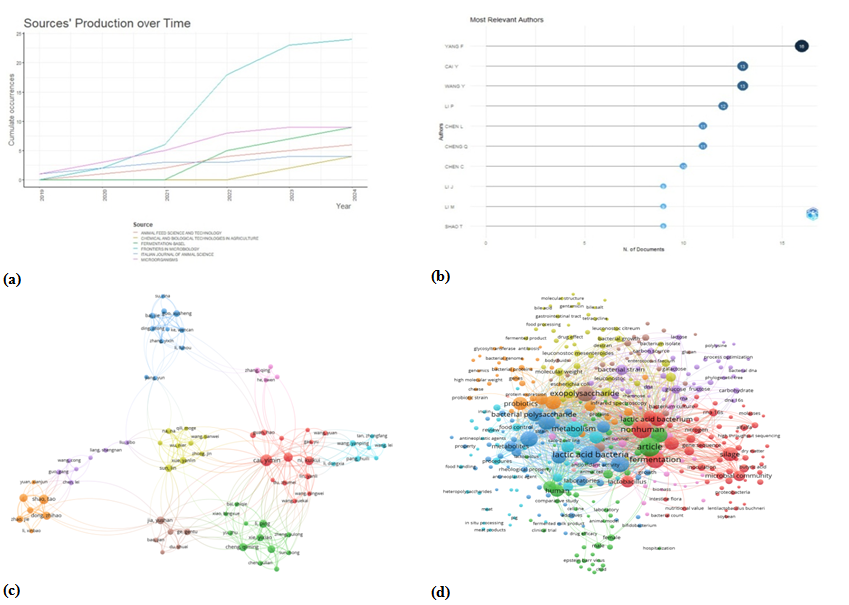
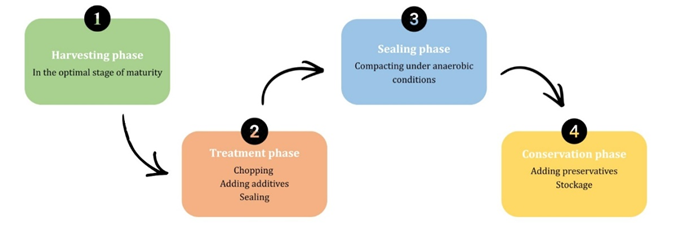
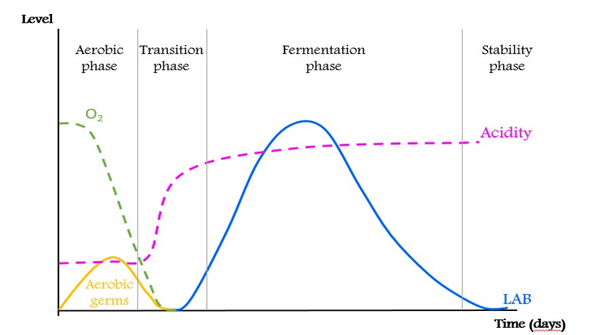
Table 1: Chemical additives used in silage
DM=Dry Matter; FM=Fresh Matter
Table 2: Lactic Acid Bacteria (LAB) inoculant applications on silage fermentation
LAB=Lactic Acid Bacteria
Full-Text: (231 Views)
Ensiling with Lactic Acid Bacteria: A Review and Bibliometric Analysis
K.E. Issaoui 1**1. Marrakech Innovation City, Cadi Ayyad University Gueliz, Marrakesh 40000, Morocco
2. Laboratory of Biology and Health, Department of Biology, Faculty of Sciences, BP: 2121 Abdelmalek Essaadi University, Tetouan 93002, Morocco
- Lactic acid bacteria are recognized as safe inoculants due to their preservation properties, safety, and positive impact on silage quality.
- These inoculants remain underutilized in Moroccan silage production, particularly on small farms.
- The keyword analysis clearly identifies lactic acid bacteria, fermentation, bacterial polysaccharides, and probiotics as core, interrelated concepts central to silage quality and animal health.
| Article type Review article |
ABSTRACT
Ensiling is a natural preservation process in which plant matter or agricultural residues are stored under anaerobic conditions, allowing Lactic acid bacteria (LAB) to ferment soluble carbohydrates and generate an acidic environment that ensures preservation. Inoculated silage with Lactic acid bacteria (LAB) inoculants is a promising fermentation method to enhance fermentation efficiency, preserve fodder quality, and produce lactic acid that lowers pH and inhibits undesirable microorganisms; although effectiveness depends on forage type, dry matter content, sugar concentration, strain properties, application rate, and management practices. This review addresses two main aspects: (i) an overview of the ensiling process, including chemical and microbiological changes, commonly used LAB strains, criteria for strains selection, and applications over the last 10 years, and (ii) a bibliometric analysis of research on LAB-inoculated silage published in the last 5 years. The analysis, performed using Web of Science (WoS) and Scopus databases with Bibliometrix and VOSviewer software, identified key publications, authors, and trends. Collaboration networks and key terms, such as fermentation and probiotics, highlight the role of LAB in improving forage preservation and animal health.© 2026, Shahid Sadoughi University of Medical Sciences. This is an open access article under the Creative Commons Attribution 4.0 International License.
|
|
| Keywords Bibliometric Analysis Microbial Inoculants Lactic Acid Bacteria Silage |
||
| Article history Received: 16 Apr 2025 Revised: 29 Jan 2026 Accepted: 25 Feb 2026 |
||
| Abbreviations CFU=Colony Forming Units DM=Dry Matter FM=Fresh Matter LAB=Lactic Acid Bacteria NH3–N=Ammonia Nitrogen WSC=Water-Soluble Carbohydrates WoS=Web of Science |
To cite: Issaoui K.E. and Khay E.-O. (2026) 'Ensiling with lactic acid bacteria: A review and bibliometric analysis', Journal of Food Quality and Hazards Control, 13(1), pp. 25-39.
Introduction
Feeding livestock during the dry season is a major concern for farmers. During the rainy season, for example, animals exhibit weight gain due to the availability of sufficient, high-quality forage. However, during the dry season (specifically the period from February to June), the animals lose weight as a result of reduced product quality (Dos Santos et al., 2020; Silva et al., 2020). In order to overcome this effect and meet the forage requirements of animals, great interest has been shown in the use of silage for the conservation of forage crops. This method has been used for many decades as a fundamental biological process based on spontaneous fermentation under anaerobic conditions. Silage is a method of preserving food products intended for animal consumption (forage and cereal grains) by fermentation in the absence of oxygen.
This preservation can be achieved either naturally or by the application of a microbiological additive preparation known as starter cultures, which consist of strains belonging to one or more genera of Lactic Acid Bacteria (LAB) (Muck, 2010; Oliveira et al., 2017b; Carvalho et al., 2021).
The use of LAB as an inoculant during silage fermentation is currently becoming an effective application for improving the fermentative quality of silage. Inoculated LAB can provide a reliable and predictable fermentation process, through acidification of the fermentation medium and the production of lactic acid and other metabolites of interest. Under these acidic pH conditions, LAB promotes the development of beneficial bacteria and inhibits harmful and undesirable microorganisms, resulting in improved microbiological and nutritional qualities (Wilkinson and Muck, 2019).
In fact, LAB are a major component of the epiphytic flora of forage and have been identified as Lactobacillus, Enterococcus, Weissella, Lactococcus, Pediococcus, and Leuconostoc (Ni et al., 2015; Puntillo et al., 2020). Thanks to 16S rRNA sequencing, several researchers have been able to identify Pediococcus, Lactobacillus, Weissella, and Enterococcus as the dominant epiphytic LAB of various plants such as oats, black tea alfalfa, and sorghum (Chen et al., 2023). In another study by S. Wang et al. (2017), a Pediococcus strain and three Lactobacillus strains were isolated from three types of forage. Crop residues such as sugar cane (Artiles-Ortega et al., 2023), corn stalks (He et al., 2020), and sugar beet tops (El Tawab et al., 2020; Abo-Donia et al., 2023) have been tested as raw materials for silage.
A bibliometric review is defined as a statistical approach that involves analyzing various types of scientific publications (articles, book chapters, and conference papers) in order to gain an overall view of a research field. It also allows for the creation of a map of scientific contributions and the study of collaboration networks between institutes and individuals (Donthu et al., 2021). This review was aimed to achieve three main objectives: (i) quantify scientific production related to silage based on the use of lactic bacteria from 01-01-2019 to 01-01-2025, to assess the collaboration network among different researchers in this field, and thus to provide information on the most prominent scientific journals, (ii) highlight the effect of LAB in improving silage quality, and (iii) summarize new application results of LAB additives in silage fermentation over the last 10 years and also highlight future prospects for the use of LAB in silage production in Morocco.
Bibliometric analysis of LAB inoculation in silage publications
This preservation can be achieved either naturally or by the application of a microbiological additive preparation known as starter cultures, which consist of strains belonging to one or more genera of Lactic Acid Bacteria (LAB) (Muck, 2010; Oliveira et al., 2017b; Carvalho et al., 2021).
The use of LAB as an inoculant during silage fermentation is currently becoming an effective application for improving the fermentative quality of silage. Inoculated LAB can provide a reliable and predictable fermentation process, through acidification of the fermentation medium and the production of lactic acid and other metabolites of interest. Under these acidic pH conditions, LAB promotes the development of beneficial bacteria and inhibits harmful and undesirable microorganisms, resulting in improved microbiological and nutritional qualities (Wilkinson and Muck, 2019).
In fact, LAB are a major component of the epiphytic flora of forage and have been identified as Lactobacillus, Enterococcus, Weissella, Lactococcus, Pediococcus, and Leuconostoc (Ni et al., 2015; Puntillo et al., 2020). Thanks to 16S rRNA sequencing, several researchers have been able to identify Pediococcus, Lactobacillus, Weissella, and Enterococcus as the dominant epiphytic LAB of various plants such as oats, black tea alfalfa, and sorghum (Chen et al., 2023). In another study by S. Wang et al. (2017), a Pediococcus strain and three Lactobacillus strains were isolated from three types of forage. Crop residues such as sugar cane (Artiles-Ortega et al., 2023), corn stalks (He et al., 2020), and sugar beet tops (El Tawab et al., 2020; Abo-Donia et al., 2023) have been tested as raw materials for silage.
A bibliometric review is defined as a statistical approach that involves analyzing various types of scientific publications (articles, book chapters, and conference papers) in order to gain an overall view of a research field. It also allows for the creation of a map of scientific contributions and the study of collaboration networks between institutes and individuals (Donthu et al., 2021). This review was aimed to achieve three main objectives: (i) quantify scientific production related to silage based on the use of lactic bacteria from 01-01-2019 to 01-01-2025, to assess the collaboration network among different researchers in this field, and thus to provide information on the most prominent scientific journals, (ii) highlight the effect of LAB in improving silage quality, and (iii) summarize new application results of LAB additives in silage fermentation over the last 10 years and also highlight future prospects for the use of LAB in silage production in Morocco.
Bibliometric analysis of LAB inoculation in silage publications
Bibliometric data collection
Data were retrieved from the Web of Science (WoS) and Scopus databases. Boolean operators were applied to refine the search and ensure comprehensive coverage (Pranckutė, 2021). Publications were screened for relevance to the study’s objectives, with inclusion criteria based on publication date (2019–2024), language (English), and document type (articles). Two reviewers independently conducted the screening, and any discrepancies were resolved by discussion to reach consensus. Inclusion and exclusion criteria were predefined based on language, publication type, and topical relevance. This meticulous process guaranteed a strong bibliometric analysis, including a thorough summary of the most pertinent papers, authors, primary keywords, and the development of inoculated silage-related scientific output throughout the previous five years. The research was conducted using the terms "fermentation" AND "lactic acid bacteria" OR "LAB*" OR "probiotic*" to include various expressions related to LAB and probiotic cultures, combined with "silage" OR "ensiling" OR "forage*" OR "crops." This research strategy has allowed for the capture of a wide range of relevant articles in the field. The data analysis was done using R-package software, and conducted using the Bibliometrix and VosViewer software version 1.6.20, which allowed for the identification of trends, author collaborations, as well as co-citation and co-occurrence networks of terms. “VosViewer” and the “Bibliometrix” package software were used to export and analyze the data from the 130 documents for the bibliometric analysis. Duplicates were identified and removed using R-package functions, and irrelevant articles concerning LAB or probiotics were manually filtered based on title, abstract, and relevance to inoculated silage (Arruda et al., 2022; Bukar et al., 2023).
Bibliometric results
There has been an increase in publications related to inoculated silage in various scientific journals between 2019 and 2024 (Figure 1a). Frontiers in Microbiology has been the most prolific source, with a marked increase starting in 2021 (24 publications to date), indicating a growing interest in these topics within the fields of microbiology and animal sciences. Other sources, such as Microorganisms and Fermentation-Basel, follow a more moderate progression, while the Italian Journal of Animal Science and the Journal of Chemical and Biological Technologies in Agriculture show a more stable and less voluminous production (4 publications).
The most relevant authors, with at least 10 publications, are recorded in Figure 1b. Yang F. stands out with 18 published articles, followed by Cai Y. and Yang Y., each with 13 publications. Other researchers have made significant contributions with 11 to 12 publications. The number of published documents shows a concentration of scientific output among a few leading authors, suggesting their central role in the studied field.
The figure 1c demonstrates the networks of collaborations between different researchers working on studies on silage inoculated by LAB in order to identify research leaders, comprehend cooperation dynamics, and discover possible high-impact work networks. The graph shows a network of collaborations, generated using VOSviewer. The central author, Cai Y., with a well-connected node, is at the heart of an intense network of collaborations, especially with Ni K. and other close authors, suggesting his major role in the field. Other clusters, less interconnected, indicate regional collaborations or those specific to certain topics.
The network of co-occurring keywords was generated using the bibliometric software VOSViewer, with data exported from Scopus and WoS. (Figure 1d). Out of 5075 keywords, 470 have exceeded the threshold set at 5 as the minimum number of occurrences. The figure shows the relationships between the concepts of lactic bacteria and fermentation, which are essential in the silage process. The presence of terms such as metabolism and bacterial polysaccharides suggests that these bacteria also contribute to the structuring of the silage material. Furthermore, the link with probiotics suggests that these bacteria have beneficial effects on animal health by improving their microbiota. The map also highlights the activity of scientific research on improving silage fermentation methods, aiming to maximize the quality and preservation of forage while benefiting animal health.
Figure 1: Bibliometric analysis of silage inoculated with Lactic Acid Bacteria (LAB); (a) sources’ production over time; (b) most relevant authors; (c) co-authorship network; (d) co-occurrence of keywords
Silage procedure
The success of silage depends on the biochemical characteristics of the biomass, including its LAB load, soluble carbohydrate content, moisture, buffering capacity, Dry Matter (DM) content, and packing density (Franco et al., 2016), Consequently, effectivesilage-making begins with the selection of appropriate raw materials. Cereals, such as some sorghum and maize cultivars, are known to be drought-tolerant and have very high DM yields (Williams and Shinners, 2012; Pholsen et al., 2016). The inclusion of legumes, natural grasses, cultivated forages, as well as a combination of grasses and legumes are likely to improve the nutritional quality of silage. Van Nevel and Demeyer (2008) have specified 3 main criteria to be considered for each silage: DM content, sugar content, and resistance to acidification.
Ensiling is an essential technique for protecting silage. The process is based on a set of four key stages that must be taken into consideration to ensure a high-quality end product (Figure 2). The first stage involves harvesting the forage crop at the ideal stage of maturity. Several studies have shown that the harvesting period has a direct influence on the quality of the ensiled forage.
A study by Kalač (2011) reported that harvesting grasses at the last stages of growth, with low soluble sugar content affects the speed of forage fermentation by delaying the pH decrease necessary for effective preservation. Atis et al. (2013) tested the effect of harvesting plants at different stages of maturity on the silage quality of four sorghum cultivars; the results showed that the stage of maturity is the optimum time for harvesting forage sorghum for all four cultivars. In another study by Zamir et al. (2020) harvesting at the milking stage improved the biochemical quality of the silage by causing a significant reduction in pH through the production of lactic acid and an increase in protein content, which was low when harvesting at an advanced stage of maturity. Similarly, Liu et al. (2023) reported that harvesting corn at the milking stage produced silage of high nutritional value. In the same study, ensiling a mixture of alfalfa and corn improved the sensory and nutritional quality of the fermented product, characterized by high soluble carbohydrate and lactic acid content, were significantly high, and low pH and ammoniacal nitrogen. In addition, the effect of harvest time combined with other additives, such as urea and molasses, was also tested for its impact on silage quality (Zamir et al., 2020; Tarekegn, Nurfeta and Bayssa, 2024). In fact, silage additives have been divided into two broad categories: inhibitors (acids, salts, and solvents) and stimulators (LAB, sugars, and enzymes) of fermentations (Pitt, 1990; McDonald, Henderson and Heron, 1991). The second silage stage consists of chopping the harvested forage in the field into small pieces, generally between 6 and 60 mm. This step is critical, as it facilitates the expulsion of the air contained in the grass (moisture content >80%), and together with adequate sealing and compaction, promotes the anaerobic environment required for lactic fermentation (Soundharrajan et al., 2021; Okoye et al., 2023). The chopped forage is then packaged in a previously prepared silo. Various silo models can be used: open, vertical, horizontal, and bag silo. During filling, the floor of the silo must have a slope of 2-5% to allow drainage of free effluent. The cover may be made of plastic, concrete, or cement, and the dimensions must be adapted to the quantity of forage to be ensiled. The type of silo has been shown to significantly affect the chemical and physical characteristics of silage, principally pH and the amount of acetic acid produced (Kızılsimsek, Erol and Calıslar, 2005). At the end of the filling process, molasses provides fermentable sugars, and salt can be used as silage preservatives at a concentration of 30-50 kg and 5-10 kg per ton of forage respectively. Silage can be stored for more than a year, the storage time depends on silo type, sealing quality, and forage characteristics.
Ensiling is an essential technique for protecting silage. The process is based on a set of four key stages that must be taken into consideration to ensure a high-quality end product (Figure 2). The first stage involves harvesting the forage crop at the ideal stage of maturity. Several studies have shown that the harvesting period has a direct influence on the quality of the ensiled forage.
A study by Kalač (2011) reported that harvesting grasses at the last stages of growth, with low soluble sugar content affects the speed of forage fermentation by delaying the pH decrease necessary for effective preservation. Atis et al. (2013) tested the effect of harvesting plants at different stages of maturity on the silage quality of four sorghum cultivars; the results showed that the stage of maturity is the optimum time for harvesting forage sorghum for all four cultivars. In another study by Zamir et al. (2020) harvesting at the milking stage improved the biochemical quality of the silage by causing a significant reduction in pH through the production of lactic acid and an increase in protein content, which was low when harvesting at an advanced stage of maturity. Similarly, Liu et al. (2023) reported that harvesting corn at the milking stage produced silage of high nutritional value. In the same study, ensiling a mixture of alfalfa and corn improved the sensory and nutritional quality of the fermented product, characterized by high soluble carbohydrate and lactic acid content, were significantly high, and low pH and ammoniacal nitrogen. In addition, the effect of harvest time combined with other additives, such as urea and molasses, was also tested for its impact on silage quality (Zamir et al., 2020; Tarekegn, Nurfeta and Bayssa, 2024). In fact, silage additives have been divided into two broad categories: inhibitors (acids, salts, and solvents) and stimulators (LAB, sugars, and enzymes) of fermentations (Pitt, 1990; McDonald, Henderson and Heron, 1991). The second silage stage consists of chopping the harvested forage in the field into small pieces, generally between 6 and 60 mm. This step is critical, as it facilitates the expulsion of the air contained in the grass (moisture content >80%), and together with adequate sealing and compaction, promotes the anaerobic environment required for lactic fermentation (Soundharrajan et al., 2021; Okoye et al., 2023). The chopped forage is then packaged in a previously prepared silo. Various silo models can be used: open, vertical, horizontal, and bag silo. During filling, the floor of the silo must have a slope of 2-5% to allow drainage of free effluent. The cover may be made of plastic, concrete, or cement, and the dimensions must be adapted to the quantity of forage to be ensiled. The type of silo has been shown to significantly affect the chemical and physical characteristics of silage, principally pH and the amount of acetic acid produced (Kızılsimsek, Erol and Calıslar, 2005). At the end of the filling process, molasses provides fermentable sugars, and salt can be used as silage preservatives at a concentration of 30-50 kg and 5-10 kg per ton of forage respectively. Silage can be stored for more than a year, the storage time depends on silo type, sealing quality, and forage characteristics.
Figure 2: Main steps in the ensiling process
Biochemical and microbiological changes during ensiling
Biochemical and microbiological changes during ensiling
Silage is stored under anaerobic conditions, where the epiphytic LAB present in the raw material acidifies the mass. Depending on the biochemical and microbiological transformations, silage can be subdivided into three main phases (Franco, Buffière and Bayard; Kalač, 2011; 2016) (Figure 3):
- Initial phase characterized by the respiration and metabolic activity of plant cells and the bacterial enzymatic activity, favored by the presence of water and oxygen. Glucose and fructose are the main fuel products used in respiration reactions. By releasing heat, CO2, and water, proteolysis reactions are triggered by the hydrolases contained in the burst lysosomes, leading to a flow of cell contents and the resulting juice.
- Early fermentation phase: During the first 48 h, in the presence of oxygen, a facultative anaerobes develops, mainly enterobacteria. The fermentative activity of these microorganisms generates a negligible yield of acetic acid, alcohol, and gas. The fermentation reactions carried out by these microorganisms slow down the acidification of the forage, resulting in a loss of nutrients.
- Late fermentative phase (lactic fermentation): when favorable conditions such as anaerobiosis, availability of fermentable sugars, pH >4 and 10< T°C <40 are maintained, LAB proliferate and promote acidification. In fact, the quantity of lactic acid produced during ensiling depends on the type of dominant flora.
- In an environment dominated by homofermentative bacteria (e.g., Lactobacillus plantarum and Lactobacillus casei), lactic acid is produced exclusively from glucose and fructose. In contrast, dominant heterofermentative bacteria (e.g., Leuconostoc spp. and Lactobacillus brevis) yield less than 45% lactic acid while also producing ethanol, acetic acid, and CO₂. Under unfavorable conditions, the process can shift to butyric fermentation by clostridial spores in the silage. This undesirable pathway results in nutritional loss from protein catabolism, reduced medium acidity, promoting other spoilage fermentations, deteriorated organoleptic and sanitary quality. During ensiling, LAB are the primary microbial group responsible for fermentation quality. They metabolize Water-Soluble Carbohydrates (WSC; e.g., glucose, fructose, sucrose, and fructans) into lactic acid via homo- or heterofermentative pathways depending on the fermentation mode (Tanizawa et al., 2015).
Figure 3: Chemical and microbiological evolution during a silage
LAB=Lactic Acid Bacteria
LAB=Lactic Acid Bacteria
LAB uses the glycolysis pathway to break down one glucose molecule into two pyruvate molecules, two ATP and two NADH. The NADH molecules are then oxidized to reduce pyruvate to lactic acid. Homofermentative LAB such as Lactococcus and some Lactobacillus produce lactic acid as the main by-product of fermentation, rapidly lowering pH and preventing undesirable microbial growth. However, heterofermentative LAB such as Leuconostoc produce lactic acid, ethanolو and CO2, among others, of which lactic acid is the major product (Silva et al., 2020; Soundharrajan et al., 2021).
Factors affecting silage quality
Several factors, including microbial populations, environmental conditions, and management practices, can influence fermentation and ultimately silage quality.
Microbiological factors
The use of high-quality silage, free of toxins and pathogenic microorganisms, is necessary to preserve animal health and maximize performance (Ogunade et al., 2016). Enterobacteriaceae, mainly some Escherichia coli and Hafnia alvei, are among the pathogenic microorganisms most commonly found in ensiled forages (Ni et al., 2017). They can contaminate forage via irrigation water, and compete with LAB for nutrients during early fermentation, when acidification is still low (McGarvey et al., 2013). Wang et al. (2019) reported a relative abundance of enterobacteria in alfalfa and stylo silage at the start of ensiling; subsequently, during the fermentation process this dominance was replaced by lactic flora especially Lactobacillus, Leuconostoc, Pediococcus, and Weissella. In contrast, Cai et al. (2021) detected a low load of LAB (<3.73 log10 Colony Forming Units [CFU]/g Fresh Matter [FM]) alongside a high aerobic bacteria count (˃5.39 log10 CFU/g FM), in sorghum silage, resulting in poor quality. Previous studies indicate that at least 5 log10 CFU/g FM of epiphytic LAB is required to inhibit undesirable microorganisms and preserve silage quality (Cai et al., 1999; Kaiser, Weiss and Zimmer, 1997).
Listeria monocytogenes, Clostridium spp. and Bacillus spp. are also considered the main Gram-positive contaminants of silage. Being less acid-tolerant, their presence is frequently linked to inadequate fermentation. L. monocytogenes has been detected in samples of untreated corn or corn treated with a concentration of 4 g/t of bacterial additives (Sharif et al., 2023). Several studies have shown a high correlation between the presence of L. monocytogenes and silage pH (Queiroz et al., 2018). A study by Nucera et al. (2016) showed that the presence of Listeria in silage is not always due to its presence in the soil and on vegetation, but can also be due to contamination during ensiling. In the same study, Listeria was predominantly detected in high pH silage bales and in molded areas. In fact, LAB are known for their anti-listerial activity (Ellis et al., 2016) via a range of bioactive metabolites, such as organic acids, reuterin, hydrogen peroxide, and bacteriocins, which have similarly shown the ability to control Clostridium and Bacillus spores (Liao and Nyachoti, 2017; Vimont et al., 2019).
Fungi and/or mycotoxins may also be present in the silage product. Their presence may be the result of pre- or post-harvest contamination, mainly by Fusarium, Penicillium, and Aspergillus (Alonso et al., 2013; Gallo et al., 2015). Aflatoxins produced by Aspergillus have been considered the most toxic and carcinogenic (Mobashar et al., 2010). Some LAB have been shown to inhibit fungal growth and consequently mycotoxin production. They form aggregates with fungi and inhibit the expression of genes encoding toxin production (Mieszkin et al., 2017; Sadhasivam et al., 2019).
Environmental factors
Exposure to air during ensiling or storage promotes the growth of lactate-assimilating yeasts. This raises the silage pH and temperature, which can exceed 40 °C (Chen et al., 2013), thus favoring the development of undesirable microorganisms (Kung Jr et al., 2018).
Management and treatment factors
Forage ensiled alone or containing less than 5–8% WSC in DM may not reach a low enough pH to produce quality silage (Adesogan and Newman, 2010). It has been shown that treatment with WSC (molasses, fructose, and glucose) and many other chemical additives (Table 1) increases DM digestibility and leads to a rapid increase in lactic acid content at the start of ensiling, contributing to higher-quality silage (Gao et al., 2021; Dong et al., 2020; Ni et al., 2017). On the other hand, limitations in the use of chemical additives have been reported by several researchers; for example, the addition of molasses alone can induce the proliferation of undesirable bacteria and consequent loss of DM (Cao et al., 2010). Additionally, organic acids preserve forage, while their corrosive effects mainly concern equipment and concrete (Oladosu et al., 2016). The use of formic acid during ensiling resulted in the accumulation of ammoniacal nitrogen with lower levels of WSC (Grøseth et al., 2024).
Microbiological factors
The use of high-quality silage, free of toxins and pathogenic microorganisms, is necessary to preserve animal health and maximize performance (Ogunade et al., 2016). Enterobacteriaceae, mainly some Escherichia coli and Hafnia alvei, are among the pathogenic microorganisms most commonly found in ensiled forages (Ni et al., 2017). They can contaminate forage via irrigation water, and compete with LAB for nutrients during early fermentation, when acidification is still low (McGarvey et al., 2013). Wang et al. (2019) reported a relative abundance of enterobacteria in alfalfa and stylo silage at the start of ensiling; subsequently, during the fermentation process this dominance was replaced by lactic flora especially Lactobacillus, Leuconostoc, Pediococcus, and Weissella. In contrast, Cai et al. (2021) detected a low load of LAB (<3.73 log10 Colony Forming Units [CFU]/g Fresh Matter [FM]) alongside a high aerobic bacteria count (˃5.39 log10 CFU/g FM), in sorghum silage, resulting in poor quality. Previous studies indicate that at least 5 log10 CFU/g FM of epiphytic LAB is required to inhibit undesirable microorganisms and preserve silage quality (Cai et al., 1999; Kaiser, Weiss and Zimmer, 1997).
Listeria monocytogenes, Clostridium spp. and Bacillus spp. are also considered the main Gram-positive contaminants of silage. Being less acid-tolerant, their presence is frequently linked to inadequate fermentation. L. monocytogenes has been detected in samples of untreated corn or corn treated with a concentration of 4 g/t of bacterial additives (Sharif et al., 2023). Several studies have shown a high correlation between the presence of L. monocytogenes and silage pH (Queiroz et al., 2018). A study by Nucera et al. (2016) showed that the presence of Listeria in silage is not always due to its presence in the soil and on vegetation, but can also be due to contamination during ensiling. In the same study, Listeria was predominantly detected in high pH silage bales and in molded areas. In fact, LAB are known for their anti-listerial activity (Ellis et al., 2016) via a range of bioactive metabolites, such as organic acids, reuterin, hydrogen peroxide, and bacteriocins, which have similarly shown the ability to control Clostridium and Bacillus spores (Liao and Nyachoti, 2017; Vimont et al., 2019).
Fungi and/or mycotoxins may also be present in the silage product. Their presence may be the result of pre- or post-harvest contamination, mainly by Fusarium, Penicillium, and Aspergillus (Alonso et al., 2013; Gallo et al., 2015). Aflatoxins produced by Aspergillus have been considered the most toxic and carcinogenic (Mobashar et al., 2010). Some LAB have been shown to inhibit fungal growth and consequently mycotoxin production. They form aggregates with fungi and inhibit the expression of genes encoding toxin production (Mieszkin et al., 2017; Sadhasivam et al., 2019).
Environmental factors
Exposure to air during ensiling or storage promotes the growth of lactate-assimilating yeasts. This raises the silage pH and temperature, which can exceed 40 °C (Chen et al., 2013), thus favoring the development of undesirable microorganisms (Kung Jr et al., 2018).
Management and treatment factors
Forage ensiled alone or containing less than 5–8% WSC in DM may not reach a low enough pH to produce quality silage (Adesogan and Newman, 2010). It has been shown that treatment with WSC (molasses, fructose, and glucose) and many other chemical additives (Table 1) increases DM digestibility and leads to a rapid increase in lactic acid content at the start of ensiling, contributing to higher-quality silage (Gao et al., 2021; Dong et al., 2020; Ni et al., 2017). On the other hand, limitations in the use of chemical additives have been reported by several researchers; for example, the addition of molasses alone can induce the proliferation of undesirable bacteria and consequent loss of DM (Cao et al., 2010). Additionally, organic acids preserve forage, while their corrosive effects mainly concern equipment and concrete (Oladosu et al., 2016). The use of formic acid during ensiling resulted in the accumulation of ammoniacal nitrogen with lower levels of WSC (Grøseth et al., 2024).
Table 1: Chemical additives used in silage
| Chemical additives | Concentration | Silage matrix | Effect | References |
| Molasses | 5% FM | Sudangrass |
|
(Wang et al., 2020) |
| Chestnut tannins, Oak tannins, Zeolite erythritol wood molasses |
8 g/kg DM 10 g/kg DM 100 g/kg DM 60 g/kg DM 20 g/kg DM |
Rygras and red clover |
|
(Herremans et al., 2019) |
| Propionic acid Tea polyphenols | 4 g/kg FM 4 g/kg FM |
Alfalfa |
|
(Liu, Dong and Shao, 2018) |
| Formic acid Molasses Fibrolytic enzyme | 0.2% FM 0.4% FM 0.3% FM |
Napier grass | The three additives improved Napier grass silage by increasing sugars, reducing lignocellulose, and enhancing enzymatic digestibility. | (Desta et al., 2016) |
| sodium benzoate potassium sorbate sodium nitrite | 200 g/kg FM 100 g/kg FM 50 g/kg FM |
Shelled corn | - All additive treatments markedly enhanced aerobic stability and improved dry matter recovery compared with untreated High Moisture Corn (HMC). | (Da Silva et al., 2015) |
formate (30.3%), benzoic acid (2.2%). |
(4 l/t) DM | Maize | - Silages were well fermented, reaching a pH below 4.0 after 10 days. - The chemical additive did not affect lactic acid concentration but increased acetic acid levels. |
(Tyrolová, Bartoň and Loučka, 2017) |
| Sugarcane molasses | 3% FM | Sugarcane trash Sugarcane stalks |
|
(Janke et al., 2019) |
| Propionic acid | 2.2 g/kg DM | Alflfa |
|
| (Ogunade et al., 2016) |
Lab additives in silage fermentation
To better control fermentation during ensiling, LAB have been used as bacterial additives to increase the ratio between beneficial and undesirable microbes in the ensiling (Bai et al., 2021). Microbiological additives generally belong to the genera Lactobacillus, Enterococcus, Pediococcus, Lactococcus (Ellis et al., 2016; Muck et al., 2018). L. plantarum is the species most commonly used as a starter culture, alone or in co- culture with other LAB species (Table 2).
In a recent study by You et al. 2022, the application of L. plantarum PS-8 during alfalfa silage production demonstrated a positive correlation between the lactic microbiome including L. plantarum, Weissella paramesenteroides, L. brevis, Lactobacillus curvatus, and Lactobacillus farciminis, and four organic acids including lactic acid, which increased the stability and shelf life of the silage product following the acceleration medium acidification during fermentation. In the same study, the microbial load of molds and coliforms was considerably reduced to levels below the detection limit. Similar results were found by Bai et al., 2021; Lactobacillus, Weissella, and Pediococcus were positively correlated with concentrations of lactic acid, propionic acid, and the ratio of lactic acid to acetic acid; on the other hand, Hafnia sp. was negatively correlated with concentrations of the acids discussed.
It has been concluded that the chemical and nutritional composition of silage is species- dependent (Campbell et al., 2020). Enterococcus is generally recognized as capable of accelerating lactic acid fermentation (Wang et al., 2020). However, Enterococcus faecalis used in alfalfa silage was less acidifying than L. plantarum and Pediococcus pentosaceus, which were able to lower pH levels (Bai et al., 2021). This finding aligns with the report by Auerbach et al. (2020), who attributed the lack of a significant LAB effect on lactic acid production to the high population of competitive epiphytic LAB already present on the crop at ensiling. Under such conditions, the addition of LAB inoculants was insufficient to dominate the fermentation process. In addition to pH and organic acids, Ammonia Nitrogen (NH3-N) and DM content are among the performance indicators guaranteeing silage quality (Ni et al., 2020). NH3-N is generally considered to be the result of deamination of amino acids, which reduce the nutritional value of silage. The accumulation of NH3-N is a typical feature of Clostridia fermentation. In silage controlled by the addition of LAB additives, reduced Clostridium fermentation was detected as a result of the bacteriostatic and bactericidal actions of organic acids disrupting the absorption of amino acids by bacteria (Ni et al., 2020). Recent studies have highlighted the synergistic effect of a combination of lactic inoculants on improving silage quality (Kim, Lee and Choi, 2021). L. plantarum and Enterococcus faecium have shown a very high acidification potential, inhibiting the proteolytic activity of other microorganisms and consequently reducing the NH3-N concentration in the silage medium ( Oliveira et al., 2017a).
Under effective silo management, DM losses should not exceed 5% (Borreani et al., 2018). Studies have shown that DM content is lower in untreated silage at the end of storage compared to silage inoculated with LAB ( Bai et al., 2021; Liu et al., 2019b; Zhao et al., 2021). This loss is attributed to undesirable fermentation resulting from the conversion of lactic acid to butyric acid (Muck, 2010). Consistent with these findings, Zhao et al. (2020) reported that silage treated with L. plantarum retained significantly higher DM content, which corresponded with a reduced abundance of undesirable microorganisms.
Contrary to these observations, several studies have reported significant DM losses when specific forage–inoculant combinations were used. For instance, Auerbach and Nadeau (2020) observed losses in a mixture of timothy (Phleum pratense L.), meadow fescue (Festuca pratensis L.), and red clover (Trifolium pratense L.) ensiled with Lactobacillus buchneri. Similarly, Auerbach et al. (2020) reported losses in whole-crop rye (Secale cereale L.) treated with L. plantarum and Lactobacillus paracasei, and Restelatto et al. (2019) found losses in corn silage and ryegrass inoculated with L. buchneri and L. plantarum. Dunière et al. (2017) attributed these variations in DM retention to several factors, including ensiling duration and conditions (aerobic vs. anaerobic), the density and diversity of epiphytic flora on the forage, and the type of additive used (chemical, biological, or a combination)..
It has been generally concluded that chemical additives are safer in terms of silage product quality than organic additives. Abebaye et al. (2020) demonstrated that ensiling green maize stalks with 3% molasses improved organic matter digestibility, resulting in higher metabolizable energy and crude protein content compared to fermentation with fermented juice. Similarly, Fang et al. (2022) reported that adding molasses alone or with LAB inoculants promoted lactic acid fermentation, favoring the growth of Lactobacillus and increasing lactic acid content. In another study by Kumari et al. 2023, the positive effect of a combination of stimulators (L. plantarum, Lactobacillus fermentum, xylanase and cellulase), and inhibitors (propionic acid) was endorsed. Oladosu et al. 2016 demonstrated the effectiveness of a combination of fibrolytic enzymes and LAB on the degradability of forage material.
To better control fermentation during ensiling, LAB have been used as bacterial additives to increase the ratio between beneficial and undesirable microbes in the ensiling (Bai et al., 2021). Microbiological additives generally belong to the genera Lactobacillus, Enterococcus, Pediococcus, Lactococcus (Ellis et al., 2016; Muck et al., 2018). L. plantarum is the species most commonly used as a starter culture, alone or in co- culture with other LAB species (Table 2).
In a recent study by You et al. 2022, the application of L. plantarum PS-8 during alfalfa silage production demonstrated a positive correlation between the lactic microbiome including L. plantarum, Weissella paramesenteroides, L. brevis, Lactobacillus curvatus, and Lactobacillus farciminis, and four organic acids including lactic acid, which increased the stability and shelf life of the silage product following the acceleration medium acidification during fermentation. In the same study, the microbial load of molds and coliforms was considerably reduced to levels below the detection limit. Similar results were found by Bai et al., 2021; Lactobacillus, Weissella, and Pediococcus were positively correlated with concentrations of lactic acid, propionic acid, and the ratio of lactic acid to acetic acid; on the other hand, Hafnia sp. was negatively correlated with concentrations of the acids discussed.
It has been concluded that the chemical and nutritional composition of silage is species- dependent (Campbell et al., 2020). Enterococcus is generally recognized as capable of accelerating lactic acid fermentation (Wang et al., 2020). However, Enterococcus faecalis used in alfalfa silage was less acidifying than L. plantarum and Pediococcus pentosaceus, which were able to lower pH levels (Bai et al., 2021). This finding aligns with the report by Auerbach et al. (2020), who attributed the lack of a significant LAB effect on lactic acid production to the high population of competitive epiphytic LAB already present on the crop at ensiling. Under such conditions, the addition of LAB inoculants was insufficient to dominate the fermentation process. In addition to pH and organic acids, Ammonia Nitrogen (NH3-N) and DM content are among the performance indicators guaranteeing silage quality (Ni et al., 2020). NH3-N is generally considered to be the result of deamination of amino acids, which reduce the nutritional value of silage. The accumulation of NH3-N is a typical feature of Clostridia fermentation. In silage controlled by the addition of LAB additives, reduced Clostridium fermentation was detected as a result of the bacteriostatic and bactericidal actions of organic acids disrupting the absorption of amino acids by bacteria (Ni et al., 2020). Recent studies have highlighted the synergistic effect of a combination of lactic inoculants on improving silage quality (Kim, Lee and Choi, 2021). L. plantarum and Enterococcus faecium have shown a very high acidification potential, inhibiting the proteolytic activity of other microorganisms and consequently reducing the NH3-N concentration in the silage medium ( Oliveira et al., 2017a).
Under effective silo management, DM losses should not exceed 5% (Borreani et al., 2018). Studies have shown that DM content is lower in untreated silage at the end of storage compared to silage inoculated with LAB ( Bai et al., 2021; Liu et al., 2019b; Zhao et al., 2021). This loss is attributed to undesirable fermentation resulting from the conversion of lactic acid to butyric acid (Muck, 2010). Consistent with these findings, Zhao et al. (2020) reported that silage treated with L. plantarum retained significantly higher DM content, which corresponded with a reduced abundance of undesirable microorganisms.
Contrary to these observations, several studies have reported significant DM losses when specific forage–inoculant combinations were used. For instance, Auerbach and Nadeau (2020) observed losses in a mixture of timothy (Phleum pratense L.), meadow fescue (Festuca pratensis L.), and red clover (Trifolium pratense L.) ensiled with Lactobacillus buchneri. Similarly, Auerbach et al. (2020) reported losses in whole-crop rye (Secale cereale L.) treated with L. plantarum and Lactobacillus paracasei, and Restelatto et al. (2019) found losses in corn silage and ryegrass inoculated with L. buchneri and L. plantarum. Dunière et al. (2017) attributed these variations in DM retention to several factors, including ensiling duration and conditions (aerobic vs. anaerobic), the density and diversity of epiphytic flora on the forage, and the type of additive used (chemical, biological, or a combination)..
It has been generally concluded that chemical additives are safer in terms of silage product quality than organic additives. Abebaye et al. (2020) demonstrated that ensiling green maize stalks with 3% molasses improved organic matter digestibility, resulting in higher metabolizable energy and crude protein content compared to fermentation with fermented juice. Similarly, Fang et al. (2022) reported that adding molasses alone or with LAB inoculants promoted lactic acid fermentation, favoring the growth of Lactobacillus and increasing lactic acid content. In another study by Kumari et al. 2023, the positive effect of a combination of stimulators (L. plantarum, Lactobacillus fermentum, xylanase and cellulase), and inhibitors (propionic acid) was endorsed. Oladosu et al. 2016 demonstrated the effectiveness of a combination of fibrolytic enzymes and LAB on the degradability of forage material.
Table 2: Lactic Acid Bacteria (LAB) inoculant applications on silage fermentation
| Silage type | LAB inoculant | Inoculation rate (CFU/g) |
Dry matter (%) |
Ensiling duration (days) |
Effect on silage quality | References |
| Alfalfa | Lactobacillus plantarum Pediococcus pentosaceus Enterococcs faecalis | 105 | 31.19 | 60 | The combination of several LAB inoculants ensures better fermentation quality and modulates the diversity, the interaction, and the metabolic pathways of the bacterial community during ensiling. | (Bai et al., 2021) |
| Barley | Lactobacillus plantarum Lactobacillus casei Lactobacillus buchneri | 105 | 29.57 | 60 | The use of LAB in silage increased populations of beneficial Lactobacillus while suppressing undesirable microorganisms. | (Liu et al., 2019a) |
| Soybean | Lactobacillus plantarum Pediococcus pentosaceus | 106 | 24 | 60 | LAB treatment can enhance beneficial Lactobacillus counts and limit the proliferation of undesirable microorganisms such as Clostridia and Enterobacter. | (Ni et al., 2017) |
| Paddy Rice | Lactobacillus plantarum Lactobacillus casei | 106 | 36.71 | 60 | Lactobacillus casei can tolerate acidic conditions and improve silage quality, resulting in a lower pH and higher lactic acid levels. | (Ni et al., 2015) |
| Alfalfa | Pediococcus acidilactici Pediococcus pentosaceus | 106 | 31.3 | 56 | During the initial day of ensiling, pH decreased sharply, while acetic acid levels remained low. | (Silva et al., 2016) |
| Guinea grass Napier grass | Lactobacillus plantarum Lactobacillus casei | 105 | 20.18 17.88 |
60 | Silages treated with cellulase had significantly elevated crude protein and decreased Neutral Detergent Fiber (NDF) and Acid Detergent Fiber (ADF) contents compared with LAB-inoculated silage. | (Khota et al., 2016) |
| Corn | Lactobacillus plantarum | 106 | 38.1 | 90 | Lactic acid levels increased in the treated silage, whereas microbial diversity decreased compared to the untreated silage. | (Keshri et al., 2018) |
| Alfalfa | Lactobacillus plantarum | 105 | 24 | 56 | Poor preservation of alfalfa silage was linked to the absence of fast-acidifying LAB and the presence of Clostridia. | (Zheng et al., 2017) |
| Sugar can | Lactobacillus hilgardii and 13 other LAB strains | 109 | 26.48 | 61 | The best silage characteristics were achieved, including reduced Dry Matter (DM) loss, low ethanol, elevated LAB counts, and minimal butyric acid content. | (Ávila et al., 2014) |
| Rice straw | Lactobacillus plantarum | 104 | 41.79 | 60 | The synergistic action of hemicellulase and Lactobacillus plantarum enhanced cellulose conversion and increased glucose yield during enzymatic hydrolysis. | (Zhao et al., 2018) |
| ryegrass | Lactobacillus plantarum Lactobacillus buchneri | 106 | 18.8 | 60 | Inoculating silage with LAB reduced microbial diversity and promoted the growth of Lactobacillus, Pediococcus, and Sporolactobacillus, enhancing fermentation quality. | (Li et al., 2019) |
| Napier grass | Lactobacillus farciminis Lactobacillus plantarum Weissella thailandensis Lactococcus lactis | 105 | 21.2 | 90 | All LAB inoculants decreased silage pH and ammonia-N concentration. | ( Wang et al., 2019) |
| Corn | Lactobacillus buchneri Lactobacillus plantarum Leuconostoc mesenteroides | 106 | 35.5 | 90 | The inoculation of silage with Lactobacillus enhanced its aerobic stability. | ( Wang et al., 2019) |
| Moringa oleifera Leaf | Lactobacillus plantarum | 106 | 24.88 | 120 | Inoculated silage showed reduced pH and NH3-N, along with higher lactic acid levels. | (Wang et al., 2018) |
| Hedychium gardnerianum | Lactobacillus plantarum, Pediococcus acidilactici, Pediococcus pentosaceus Propionibacterium acidipropionici | 106 | 19.54 | 60 | Molasses together with LAB inoculation resulted in optimal silage characteristics, including stable lactic and acetic acid levels, low pH, minimal dry matter loss, absence of butyric acid, and low NH3-N content. | (Moselhy, Borba and Borba, 2015) |
| Corn stover | Lactobacillus brevis Lactobacillus parafarraginis | 106 | - | 45 | Corn stover silages treated with the two strains exhibited lower pH and reduced acetic acid accumulation. | (Xu et al., 2017) |
| Grass Silage | Lactobacillus plantarum | 106 | - | 60 | Lactobacillus plantarum especially when combined with molasse, improved fermentability of grass silage (higher lactic acid content, fast pH drop, and undesirable microorganism inhibition). | (Li et al., 2022) |
| Oat and common vetch | Lacxtobacillus plantarum Lactobacillus buchneri | 5×10⁵ | - | 60 | The combination of oat–common vetch silage with LAB treatment significantly improved fermentation quality, pH and lactic acid content. | (Ma et al., 2025) |
| Oat | Lactiplantbacillus plantarum Lactiplantbacillus brucei |
225,1×10⁶ | - | 60 | Treatment with LAB showed increased lactic acid content, decreased pH value, and high antioxidant activity of oat. | (Wang et al., 2024) |
Selection criteria
Generally, LAB is considered the most desirable strains of biological additives for silage due to their safety and preservative properties. They positively affect silage quality and improve animal performance. However, application results of these bio-additives have shown a large inter-species difference (Amaral et al., 2020; Zhao et al., 2020), requiring conditional selection of these microorganisms while following a set of criteria to ensure an efficient ensiling process and preserve the nutritional quality of the forage. The main criteria include the ability to rapidly lower pH, efficient acid production, rapid growth, resistance to stress conditions (different pH and temperatures), inhibition of undesirable microorganisms, and adaptation to the silage environment (Carvalho et al., 2021). In the majority of studies, researchers follow a similar strategy while taking into account the selection objective. Some inoculants are specially formulated to prevent the growth of undesirable molds, yeasts or bacteria, while others are designed to improve nutritional quality or reduce fermentation losses.
The first selection stage consists of obtaining strains through isolation. The second stage involves morphological, physiological, and biochemical characterization tests. Key traits assessed include tolerance to environmental conditions, including the ability to survive and function efficiently under variations in temperature and pH. Rapid acidification to inhibit the growth of undesirable microorganisms is also evaluated, along with metabolism classification (homofermentative or heterofermentative). Additional criteria include the ability to reduce fermentation losses such as nutrient DM losses and the production of volatile compounds, antimicrobial activity ( Nascimento Agarussi et al., 2019; Wang et al., 2017). Finally, safety is confirmed through tests for enterotoxin production, hemolytic activity, gelatinase and Deoxyribonuclease (DNase) activity, and antibiotic resistance.
After screening, the next step is to identify the selected strains using various molecular techniques, including 16S rRNA Gene Sequencing (Alhaag et al., 2019; Silva et al., 2020) and MALDI-TOF MS (Puntillo et al., 2020), as the most commonly used. The third stage consists of performance testing during silage production, by measuring DM digestibility, chemical and microbiological composition, and evaluation of aerobic stability during storage ( Carvalho et al., 2021; Silva et al., 2020). The final stage is based on an assessment of animal performance by measuring feed consumption, growth (Gallo et al., 2015), lactation, metabolism, and digestibility of ruminal nutrients (Monteiro et al., 2021).
Generally, LAB is considered the most desirable strains of biological additives for silage due to their safety and preservative properties. They positively affect silage quality and improve animal performance. However, application results of these bio-additives have shown a large inter-species difference (Amaral et al., 2020; Zhao et al., 2020), requiring conditional selection of these microorganisms while following a set of criteria to ensure an efficient ensiling process and preserve the nutritional quality of the forage. The main criteria include the ability to rapidly lower pH, efficient acid production, rapid growth, resistance to stress conditions (different pH and temperatures), inhibition of undesirable microorganisms, and adaptation to the silage environment (Carvalho et al., 2021). In the majority of studies, researchers follow a similar strategy while taking into account the selection objective. Some inoculants are specially formulated to prevent the growth of undesirable molds, yeasts or bacteria, while others are designed to improve nutritional quality or reduce fermentation losses.
The first selection stage consists of obtaining strains through isolation. The second stage involves morphological, physiological, and biochemical characterization tests. Key traits assessed include tolerance to environmental conditions, including the ability to survive and function efficiently under variations in temperature and pH. Rapid acidification to inhibit the growth of undesirable microorganisms is also evaluated, along with metabolism classification (homofermentative or heterofermentative). Additional criteria include the ability to reduce fermentation losses such as nutrient DM losses and the production of volatile compounds, antimicrobial activity ( Nascimento Agarussi et al., 2019; Wang et al., 2017). Finally, safety is confirmed through tests for enterotoxin production, hemolytic activity, gelatinase and Deoxyribonuclease (DNase) activity, and antibiotic resistance.
After screening, the next step is to identify the selected strains using various molecular techniques, including 16S rRNA Gene Sequencing (Alhaag et al., 2019; Silva et al., 2020) and MALDI-TOF MS (Puntillo et al., 2020), as the most commonly used. The third stage consists of performance testing during silage production, by measuring DM digestibility, chemical and microbiological composition, and evaluation of aerobic stability during storage ( Carvalho et al., 2021; Silva et al., 2020). The final stage is based on an assessment of animal performance by measuring feed consumption, growth (Gallo et al., 2015), lactation, metabolism, and digestibility of ruminal nutrients (Monteiro et al., 2021).
Inoculated silage: Moroccan case study
In Morocco, forage production plays a central role in livestock feeding, although it remains insufficiently valued in relation to national needs. According to the report by the Moroccan National Institute of Agronomic Research, the area dedicated to forage crops is estimated at approximately 500,000 hectares, with an annual production of about 1.7 billion Forage Units (FU). These crops represent about 4 to 6% of the useful agricultural area and generate nearly 18.8 million tonnes of green matter per year (INRA Morocco, 2024). The main materials ensiled include oat forage (rather than whole grain), fodder corn, and fodder beet roots—the latter requiring mixing with fibrous material to ensure proper fermentation. During ensiling, urea (1%) and molasses (2%) are added as chemical additives to support the fermentation process. Depending on the moisture content of the plants (dry or wet), wheat straw or water is added to reduce or increase DM levels, respectively. Nutrients are then added to enrich the silage, such as calcium carbonate, sodium carbonate, dried beet pulp, the mineral salt appreciated by the animals, and industrially prepared vitaminized mineral supplements.
Despite the widespread use of LAB in silage production worldwide, and the wealth of data in the literature describing the possible inoculation of forages with specific inoculants, this application is not yet widely practiced in Morocco, especially on small farms or in regions where farming practices are less intensive. Moreover, very little research has been carried out on the effect of bacterial inoculants on silage quality and animal performance in Morocco. Trials have been carried out on the conservation of olive industry residues (pomace, margines, margions) via controlled ensiling using selected endogenous LAB. Others have studied the ensiling of fish waste (Sardina pilchardus), comparing two types of process: biological by L. plantarum and chemical using 2% phosphoric acid (Loughzal, Tahri and Faid, 2003). In the same vein, three LAB strains (Lactobacillus plantarum, Lactococcus lactis and Pediococcus spp.) were selected and combined for use as lactic ferments to improve the hygienic and nutritional quality of barley, which can be used as a feed ingredient for broilers (Choukri et al., 2023).
This lack of widespread practice in Morocco could be due to a lack of information and awareness about the benefits of using inoculants for silage and their effects on forage quality. In addition, the acquisition of these inoculants can be expensive and difficult for farmers due to their limited availability on the local market. Traditional farming practices and lack of resources can also make farmers reluctant to adopt new and more advanced farming techniques. On the other hand, climatic variation in some regions may be less favorable to the practice of silage making, such as prolonged periods of drought, and highly irregular precipitation directly impacting the quantity and quality of forages available for ensiling, particularly in rainfed areas receiving less than 350 mm of annual rainfall. These conditions may limit farmers' interest in the use of inoculants (El Housni et al., 2001).
Faced with these constraints, several concrete opportunities can be deployed to promote the use of LAB-based inoculants in Morocco. These include the development of local inoculants from indigenous strains adapted to Moroccan agro-climatic conditions, reducing costs and dependence on imported products, as well as strengthening training and agricultural extension programs for farmers.
Conclusion
In conclusion, silage inoculated with LAB proves to be a promising method for optimizing the fermentation process, preserving forage quality, improving nutrient conservation, and enhancing animal performance. This review highlights the key microbiological and chemical mechanisms governing silage quality, with particular emphasis on the importance of appropriate LAB strain selection. The bibliometric analysis, based on the WoS and Scopus databases, revealed a significant growth in research over the past five years, with emerging trends focusing on multifunctional and indigenous LAB strains, microbial interactions during fermentation, and the links between silage quality, animal health, and feed safety. These trends identify future research priorities centered on locally adapted inoculants and their practical impact under diverse agro-climatic conditions. In Morocco, the ensiling process relies mainly on the use of chemical additives, while inoculation with LAB remains limited, particularly on small-scale farms. This situation highlights the need to strengthen applied research, raise farmer awareness, and develop cost-effective, locally available inoculants to promote the adoption of inoculated silage as a sustainable strategy for improving the productivity of Moroccan livestock systems.
Author contributions
K.E.I. conducted the literature search, drafted and wrote the initial manuscript. E.-O.K. critically reviewed the literature, provided conceptual guidance, and revised the manuscript. Both authors read and approved the final version.
Acknowledgments
There is no appreciation.
Conflicts of interest
The authors declare that there is no conflict of interest.
Funding
This research received no specific grant from any funding agency in the public, commercial, or non-profit sectors.
Ethical consideration
Not applicable.
Despite the widespread use of LAB in silage production worldwide, and the wealth of data in the literature describing the possible inoculation of forages with specific inoculants, this application is not yet widely practiced in Morocco, especially on small farms or in regions where farming practices are less intensive. Moreover, very little research has been carried out on the effect of bacterial inoculants on silage quality and animal performance in Morocco. Trials have been carried out on the conservation of olive industry residues (pomace, margines, margions) via controlled ensiling using selected endogenous LAB. Others have studied the ensiling of fish waste (Sardina pilchardus), comparing two types of process: biological by L. plantarum and chemical using 2% phosphoric acid (Loughzal, Tahri and Faid, 2003). In the same vein, three LAB strains (Lactobacillus plantarum, Lactococcus lactis and Pediococcus spp.) were selected and combined for use as lactic ferments to improve the hygienic and nutritional quality of barley, which can be used as a feed ingredient for broilers (Choukri et al., 2023).
This lack of widespread practice in Morocco could be due to a lack of information and awareness about the benefits of using inoculants for silage and their effects on forage quality. In addition, the acquisition of these inoculants can be expensive and difficult for farmers due to their limited availability on the local market. Traditional farming practices and lack of resources can also make farmers reluctant to adopt new and more advanced farming techniques. On the other hand, climatic variation in some regions may be less favorable to the practice of silage making, such as prolonged periods of drought, and highly irregular precipitation directly impacting the quantity and quality of forages available for ensiling, particularly in rainfed areas receiving less than 350 mm of annual rainfall. These conditions may limit farmers' interest in the use of inoculants (El Housni et al., 2001).
Faced with these constraints, several concrete opportunities can be deployed to promote the use of LAB-based inoculants in Morocco. These include the development of local inoculants from indigenous strains adapted to Moroccan agro-climatic conditions, reducing costs and dependence on imported products, as well as strengthening training and agricultural extension programs for farmers.
Conclusion
In conclusion, silage inoculated with LAB proves to be a promising method for optimizing the fermentation process, preserving forage quality, improving nutrient conservation, and enhancing animal performance. This review highlights the key microbiological and chemical mechanisms governing silage quality, with particular emphasis on the importance of appropriate LAB strain selection. The bibliometric analysis, based on the WoS and Scopus databases, revealed a significant growth in research over the past five years, with emerging trends focusing on multifunctional and indigenous LAB strains, microbial interactions during fermentation, and the links between silage quality, animal health, and feed safety. These trends identify future research priorities centered on locally adapted inoculants and their practical impact under diverse agro-climatic conditions. In Morocco, the ensiling process relies mainly on the use of chemical additives, while inoculation with LAB remains limited, particularly on small-scale farms. This situation highlights the need to strengthen applied research, raise farmer awareness, and develop cost-effective, locally available inoculants to promote the adoption of inoculated silage as a sustainable strategy for improving the productivity of Moroccan livestock systems.
Author contributions
K.E.I. conducted the literature search, drafted and wrote the initial manuscript. E.-O.K. critically reviewed the literature, provided conceptual guidance, and revised the manuscript. Both authors read and approved the final version.
Acknowledgments
There is no appreciation.
Conflicts of interest
The authors declare that there is no conflict of interest.
Funding
This research received no specific grant from any funding agency in the public, commercial, or non-profit sectors.
Ethical consideration
Not applicable.
References
Abebaye, H., Mengistu, A., Tamir, B., Assefa, G. and Feyissa, F. (2020) 'Effects of additive type and ensiling periods on fermentation characteristics of green maize stover', Ethiopian Journal of Agricultural Sciences, 30(2), pp. 1–12. Available at: https://doi.org/10.5555/20203382076
Abo-Donia, F.M., Elsheikh, H., Esh, A., El-Shora, M. and Eldiahy, Y. (2023) 'Influence of co-ensiled rice straw with whole sugar beet on lactating cows performance', Research Square. Available at: https://doi.org/10.21203/rs.3.rs-2427680/v1
Adesogan, A.T. and Newman, Y.C. (2010) 'Silage harvesting, storing, and feeding', University of Florida IFAS Extension, SS-AGR-177. Available at: https://doi.org/10.32473/edis-ag180-2010
Alhaag, H., Yuan, X., Mala, A., Bai, J. and Shao, T. (2019) 'Fermentation characteristics of Lactobacillus plantarum and Pediococcus species isolated from sweet sorghum silage and their application as silage inoculants', Applied Sciences, 9(6), p. 1247. Available at: https://doi.org/10.3390/app9061247
Alonso, V.A., Pereyra, C.M., Keller, L.A.M., Dalcero, A.M., Rosa, C.A.R., Chiacchiera, S.M. and Cavaglieri, L.R. (2013) 'Fungi and mycotoxins in silage: an overview', Journal of Applied Microbiology, 115(3), pp. 637–643. Available at: https://doi.org/ 10.1111/jam.12178
Amaral, R.C., Carvalho, B.F., Costa, D.M., Morenz, M.J.F., Schwan, R.F. and da Silva Ávila, C.L. (2020) 'Novel lactic acid bacteria strains enhance the conservation of elephant grass silage cv. BRS Capiaçu', Animal Feed Science and Technology, 264, p. 114472. Available at: https://doi.org/10.1016/j.anifeedsci.2020.114472
Arruda, H., Silva, E.R., Lessa, M., Proença Jr, D. and Bartholo, R. (2022) 'VOSviewer and bibliometrix', Journal of the Medical Library Association: JMLA, 110(3), p. 392. Available at: https://doi.org/10.5195/jmla.2022.1434
Artiles-Ortega, E., Andrade-Yucailla, V., Medina-López, B., de la Fe-Rodríguez, P.Y., Acosta-Lozano, N., Fievez, V. and Lima-Orozco, R. (2023) 'Combined ensiling of tropical beans and Sugarcane Stalks: Effects on their secondary metabolites', Fermentation, 9(3), p. 310. Available at: https://doi.org/10.3390/fermentation9030310
Atis, I., Duru, M., Konuskan, O. and Gozubenli, H. (2013) 'Effects of plant maturity stage on silage quality of some silage sorghum cultivars', Journal of Food, Agriculture and Environment, 11(1), pp. 534-537.
Auerbach, H. and Nadeau, E. (2020) 'Effects of additive type on fermentation and aerobic stability and its interaction with air exposure on silage nutritive value', Agronomy, 10(9), p. 1229. Available at: https://doi.org/10.3390/agronomy10091229
Auerbach, H., Theobald, P., Kroschewski, B. and Weiss, K. (2020) 'Effects of various additives on fermentation, aerobic stability and volatile organic compounds in whole-crop rye silage', Agronomy, 10(12), p. 1873. Available at: https://doi.org/10.3390/ agronomy10121873
Ávila, C.L.S., Carvalho, B.F., Pinto, J.C., Duarte, W.F. and Schwan, R.F. (2014) 'The use of Lactobacillus species as starter cultures for enhancing the quality of sugar cane silage', Journal of Dairy Science, 97(2), pp. 940-951. Available at: https://doi.org/ 10.3168/jds.2013-6987
Bai, J., Ding, Z., Ke, W., Xu, D., Wang, M., Huang, W., Zhang, Y., Liu, F. and Guo, X. (2021) 'Different lactic acid bacteria and their combinations regulated the fermentation process of ensiled alfalfa: ensiling characteristics, dynamics of bacterial community and their functional shifts', Microbial Biotechnology, 14(3), pp. 1171‑1182. Available at: https://doi.org/10.1111/1751-7915.13785
Borreani, G., Tabacco, E., Schmidt, R.J., Holmes, B.J. and Muck, R. (2018) 'Silage review: Factors affecting dry matter and quality losses in silages', Journal of Dairy Science, 101(5), pp. 3952-3979. Available at: https://doi.org/10.3168/jds.2017-13837
Bukar, U.A., Sayeed, M.S., Razak, S.F.A., Yogarayan, S., Amodu, O.A. and Mahmood, R.A.R. (2023) 'A method for analyzing text using VOSviewer', MethodsX, 11, p. 102339. Available at: https://doi.org/10.1016/j.mex.2023.102339
Cai, Y., Benno, Y., Ogawa, M. and Kumai, S. (1999) 'Effect of applying lactic acid bacteria isolated from forage crops on fermentation characteristics and aerobic deterioration of silage', Journal of Dairy Science, 82(3), pp. 520-526. Available at: https://doi.org/10.3168/jds.S0022-0302(99)75263-X
Cai, Y., Du, Z., Jethro, D.B., Nignan, M. and Yamasaki, S. (2021) 'Analysis of main factors affecting silage fermentation of sorghum prepared with whole crop and stover in semiarid West Africa', African Journal of Range and Forage Science, 38(2), pp. 169-178. Available at: https://doi.org/10.2989/10220119. 2020.1794959
Campbell, M., Ortuño, J., Ford, L., Davies, D.R., Koidis, A., Walsh, P.J. and Theodoridou, K. (2020) 'The effect of ensiling on the nutritional composition and fermentation characteristics of brown seaweeds as a ruminant feed ingredient', Animals, 10(6), p. 1019. Available at: https://doi.org/10.3390/ani10061019
Cao, Y., Takahashi, T., Horiguchi, K. and Yoshida, N. (2010) 'Effect of adding lactic acid bacteria and molasses on fermentation quality and in vitro ruminal digestion of total mixed ration silage prepared with whole crop rice', Grassland Science, 56(1), pp. 19-25. Available at: https://doi.org/10.1111/j.1744-697X.2009. 00168.x
Carvalho, B.F., Sales, G.F.C., Schwan, R.F. and Ávila, C.L.S. (2021) 'Criteria for lactic acid bacteria screening to enhance silage quality', Journal of Applied Microbiology, 130(2), pp. 341-355. Available at: https://doi.org/10.1111/jam.14833
Chen, L., Wang, Y., Li, X., MacAdam, J.W. and Zhang, Y. (2023) 'Interaction between plants and epiphytic lactic acid bacteria that affect plant silage fermentation', Frontiers in Microbiology, 14, p. 1164904. Available at: https://doi.org/10.3389/fmicb.2023. 1164904
Chen, M.M., Liu, Q.H., Xin, G.R. and Zhang, J.G. (2013) 'Characteristics of lactic acid bacteria isolates and their inoculating effects on the silage fermentation at high temperature', Letters in Applied Microbiology, 56(1), pp. 71-78. Available at: https://doi.org/10.1111/lam.12018
Choukri, S., Hammouti, B., Mansouri, F., Choukri, N.E. and Ouhssine, M. (2023) 'Improving the quality and safety of barley by controlled homolactic fermentation with lactic acid bacteria', Pakistan Journal of Analytical and Environmental Chemistry, 24(2), pp. 197-207. Available at: https://doi.org/10.21743/pjaec/2023.12.08
Da Silva, T.C., Smith, M.L., Barnard, A.M. and Kung Jr, L. (2015) 'The effect of a chemical additive on the fermentation and aerobic stability of high-moisture corn', Journal of Dairy Science, 98(12), pp. 8904-8912. Available at: https://doi.org/10.3168/jds.2015-9640
Desta, S.T., Yuan, X., Li, J. and Shao, T. (2016) 'Ensiling characteristics, structural and nonstructural carbohydrate composition and enzymatic digestibility of Napier grass ensiled with additives', Bioresource Technology, 221, pp. 447-454. Available at: https://doi.org/10.1016/j.biortech.2016.09.068
Dong, Z., Wang, S., Zhao, J., Li, J. and Shao, T. (2020) 'Effects of additives on the fermentation quality, in vitro digestibility and aerobic stability of mulberry (Morus alba L.) leaves silage', Asian-Australasian Journal of Animal Sciences, 33(8), pp. 1292-1300. Available at: https://doi.org/10.5713/ajas.19.0420
Donthu, N., Kumar, S., Mukherjee, D., Pandey, N. and Lim, W.M. (2021) 'How to conduct a bibliometric analysis: An overview and guidelines', Journal of Business Research, 133, pp. 285-296. Available at: https://doi.org/10.1016/j.jbusres.2021.04.070
Dos Santos, V.M., Dallago, B.S., Racanicci, A.M., Santana, Â.P., Cue, R.I. and Bernal, F.E. (2020) 'Effect of transportation distances, seasons and crate microclimate on broiler chicken production losses', PLoS One, 15(4), p. e0232004. Available at: https://doi.org/10.1371/journal.pone.0232004
Dunière, L., Xu, S., Long, J., Elekwachi, C., Wang, Y., Turkington, K., Forster, R. and McAllister, T.A. (2017) 'Bacterial and fungal core microbiomes associated with small grain silages during ensiling and aerobic spoilage', BMC Microbiology, 17(1), p. 216. Available at: https://doi.org/10.1186/s12866-017-0947-0
El Housni, A., Ter Meulen, U., Thinggaard, G. and El Himdy, B. (2001) 'Impact of silage making on evolution of livestock production systems in the Bour coastal areas of Morocco', Options Méditerranéennes: Série Séminaires, 59, pp. 241‑245.
El Tawab, A.M.A., Kholif, A.E., Hassan, A.M., Matloup, O.H., El-Nor, S.A.A., Olafadehan, O.A. and Khattab, M.S. (2020) 'Feed utilization and lactational performance of Friesian cows fed beet tops silage treated with lactic acid bacteria as a replacement for corn silage', Animal Biotechnology, 31(6), pp. 473‑482. Available at: https://doi.org/10.1080/10495398.2019.1622556
Ellis, J.L., Hindrichsen, I.K., Klop, G., Kinley, R.D., Milora, N., Bannink, A. and Dijkstra, J. (2016) 'Effects of lactic acid bacteria silage inoculation on methane emission and productivity of Holstein Friesian dairy cattle', Journal of Dairy Science, 99(9), pp. 7159-7174. Available at: https://doi.org/10.3168/jds.2015-10754
Fang, D., Dong, Z., Wang, D., Li, B., Shi, P., Yan, J., Zhuang, D., Shao, T., Wang, W. and Gu, M. (2022) 'Evaluating the fermentation quality and bacterial community of high‑moisture whole‑plant quinoa silage ensiled with different additives', Journal of Applied Microbiology, 132(5), pp. 3578‑3589. Available at: https://doi.org/10.1111/jam.15506
Franco, R.T., Buffière, P. and Bayard, R. (2016) 'Ensiling for biogas production: Critical parameters. A review', Biomass and Bioenergy, 94, pp. 94‑104. Available at: https://doi.org/10.1016/j.biombioe.2016.08.014
Gallo, A., Giuberti, G., Frisvad, J.C., Bertuzzi, T. and Nielsen, K.F. (2015) 'Review on mycotoxin issues in ruminants: Occurrence in forages, effects of mycotoxin ingestion on health status and animal performance and practical strategies to counteract their negative effects', Toxins, 7(8), pp. 3057‑3111. Available at: https://doi.org/10.3390/toxins7083057
Gao, R., Wang, B., Jia, T., Luo, Y. and Yu, Z. (2021) 'Effects of different carbohydrate sources on alfalfa silage quality at different ensiling days', Agriculture, 11(1), p. 58. Available at: https://doi.org/10.3390/agriculture11010058
Grøseth, M., Karlsson, L., Steinshamn, H., Johansen, M., Kidane, A. and Prestløkken, E. (2024) 'Effects of grass silage, preserved using formic acid or lactic acid bacteria, on milk production of dairy cows, supplemented with concentrates high or low in metabolizable protein', Livestock Science, 279, p. 105375. Available at: https://doi.org/10.1016/j.livsci.2023.105375
He, L., Wang, C., Xing, Y., Zhou, W., Pian, R., Chen, X. and Zhang, Q. (2020) 'Ensiling characteristics, proteolysis and bacterial community of high-moisture corn stalk and stylo silage prepared with Bauhinia variegate flower', Bioresource Technology, 296, p. 122336. Available at: https://doi.org/10.1016/j. biortech.2019. 122336
Herremans, S., Decruyenaere, V., Beckers, Y. and Froidmont, E. (2019) 'Silage additives to reduce protein degradation during ensiling and evaluation of in vitro ruminal nitrogen degradability', Grass and Forage Science, 74(1), pp. 86‑96. Available at: https://doi.org/10.1111/gfs.12396
Janke, L., McCabe, B.K., Harris, P., Hill, A., Lee, S., Weinrich, S., Marchuk, S. and Baillie, C. (2019) 'Ensiling fermentation reveals pre-treatment effects for anaerobic digestion of sugarcane biomass: An assessment of ensiling additives on methane potential', Bioresource Technology, 279, pp. 398‑403. Available at: https://doi.org/10.1016/j.biortech.2019.01.143
Kaiser, E., Weiss, K. and Zimmer, J. (1997) 'Fermentation process during the ensiling of green forage low in nitrate. 1. Fermentation process in untreated green forage', Archiv für Tierernahrung, 50(1), pp. 87‑102. Available at: https://doi.org/10.1080/17450399709386121
Kalač, P. (2011) 'The required characteristics of ensiled crops used as a feedstock for biogas production: A review', Journal of Agrobiology, 28(2), pp. 85‑96. Available at: https://doi.org/10.2478/v10146-011-0010-y
Keshri, J., Chen, Y., Pinto, R., Kroupitski, Y., Weinberg, Z.G. and Sela, S. (2018) 'Microbiome dynamics during ensiling of corn with and without Lactobacillus plantarum inoculant', Applied Microbiology and Biotechnology, 102, pp. 4025‑4037. Available at: https://doi.org/10.1007/s00253-018-8903-y
Khota, W., Pholsen, S., Higgs, D. and Cai, Y. (2016) 'Natural lactic acid bacteria population of tropical grasses and their fermentation factor analysis of silage prepared with cellulase and inoculant', Journal of Dairy Science, 99(12), pp. 9768‑9781. Available at: https://doi.org/10.3168/jds.2016-11180
Kim, D.H., Lee, K.D. and Choi, K.C. (2021) 'Role of LAB in silage fermentation: Effect on nutritional quality and organic acid production—An overview', AIMS Agriculture and Food, 6(1), pp. 216-234. Available at: https://doi.org/10.3934/agrfood.2021014
Kızılsimsek, M., Erol, A. and Calıslar, S. (2005) 'Effects of raw material and silo size on silage quality', Livestock Research for Rural Development, 17(3).
Kumari, N., Chauhan, N., Mishra, D.B. and Tyagi, N. (2023) 'Effect of bacterial inoculants and their combination with enzymes and chemical additives on fermentation characteristics and ensiling period of maize silage', Range Management and Agroforestry, 44(1), pp. 167‑174. Available at: https://doi.org/10.59515/rma.2023.v44.i1.20
Kung Jr, L., Shaver, R.D., Grant, R.J. and Schmidt, R.J. (2018) 'Silage review: Interpretation of chemical, microbial, and organoleptic components of silages', Journal of Dairy Science, 101(5), pp. 4020‑4033. Available at: https://doi.org/10.3168/jds.2017-13909
Li, P., Zhang, Y., Gou, W., Cheng, Q., Bai, S. and Cai, Y. (2019) 'Silage fermentation and bacterial community of bur clover, annual ryegrass and their mixtures prepared with microbial inoculant and chemical additive', Animal Feed Science and Technology, 247, pp. 285‑293. Available at: https://doi.org/10.1016/j.anifeedsci.2018.11.009
Li, Y., Du, S., Sun, L., Cheng, Q., Hao, J., Lu, Q. and Jia, Y. (2022) 'Effects of lactic acid bacteria and molasses additives on dynamic fermentation quality and microbial community of native grass silage', Frontiers in Microbiology, 13, p. 830121. Available at: https://doi.org/10.3389/fmicb.2022.830121
Liao, S.F. and Nyachoti, M. (2017) 'Using probiotics to improve swine gut health and nutrient utilization', Animal Nutrition, 3(4), pp. 331‑343. Available at: https://doi.org/10.1016/j.aninu.2017.06.007
Liu, B., Huan, H., Gu, H., Xu, N., Shen, Q. and Ding, C. (2019a) 'Dynamics of a microbial community during ensiling and upon aerobic exposure in lactic acid bacteria inoculation-treated and untreated barley silages', Bioresource Technology, 273, pp. 212‑219. Available at: https://doi.org/10.1016/j.biortech.2018.10.041
Liu, Q., Li, J., Zhao, J., Wu, J. and Shao, T. (2019b) 'Enhancement of lignocellulosic degradation in high-moisture alfalfa via anaerobic bioprocess of engineered Lactococcus lactis with the function of secreting cellulase', Biotechnology for Biofuels, 12(1), p. 88. Available at: https://doi.org/10.1186/s13068-019-1436-4
Liu, Q.H., Dong, Z.H. and Shao, T. (2018) 'Effect of additives on fatty acid profile of high moisture alfalfa silage during ensiling and after exposure to air', Animal Feed Science and Technology, 236, pp. 29‑38. Available at: https://doi.org/10.1016/j.anifeedsci.2017.11.022
Liu, X., Li, D., Ge, Q., Yang, B. and Li, S. (2023) 'Effects of harvest period and mixed ratio on the characteristic and quality of mixed silage of alfalfa and maize', Animal Feed Science and Technology, 306, p. 115796. Available at: https://doi.org/10.1016/j.anifeedsci.2023.115796
Loughzal, W., Tahri, E. and Faid, M. (2003) ' Fish waste silage and assay on feeding rats', Revue Marocaine des Sciences Agronomiques et Vétérinaires, 23(1), pp. 15‑20.
Ma, T., Xin, Y., Chen, X., Wen, X., Wang, F., Liu, H. and Yan, Y. (2025) 'Effects of compound lactic acid bacteria additives on the quality of oat and common vetch silage in the Northwest Sichuan Plateau', Fermentation, 11(2), p. 93. Available at: https://doi.org/10.3390/fermentation11020093
McDonald, P., Henderson, A.R. and Heron, S.J.E. (1991) The Biochemistry of Silage. 2nd edn. Marlow: Chalcombe Publications.
McGarvey, J.A., Franco, R.B., Palumbo, J.D., Hnasko, R., Stanker, L. and Mitloehner, F.M. (2013) 'Bacterial population dynamics during the ensiling of Medicago sativa (alfalfa) and subsequent exposure to air', Journal of Applied Microbiology, 114(6), pp. 1661‑1670. Available at: https://doi.org/10.1111/jam.12179
Mieszkin, S., Hymery, N., Debaets, S., Coton, E., Le Blay, G., Valence, F. and Mounier, J. (2017) 'Action mechanisms involved in the bioprotective effect of Lactobacillus harbinensis K.V9.3.1.Np against Yarrowia lipolytica in fermented milk', International Journal of Food Microbiology, 248, pp. 47‑55. Available at: https://doi.org/10.1016/j.ijfoodmicro.2017.02.013
Mobashar, M., Hummel, J., Blank, R. and Südekum, K.-H. (2010) 'Ochratoxin A in ruminants – A review on its degradation by gut microbes and effects on animals', Toxins, 2(4), pp. 809‑839. Available at: https://doi.org/10.3390/toxins2040809
Monteiro, H.F., Paula, E.M., Muck, R.E., Broderick, G.A. and Faciola, A.P. (2021) 'Effects of lactic acid bacteria in a silage inoculant on ruminal nutrient digestibility, nitrogen metabolism, and lactation performance of high-producing dairy cows', Journal of Dairy Science, 104(8), pp. 8826‑8834. Available at: https://doi.org/10.3168/jds.2021-20155
Moselhy, M.A., Borba, J.P. and Borba, A.E. (2015) 'Improving the nutritive value, in vitro digestibility and aerobic stability of Hedychium gardnerianum silage through application of additives at ensiling time', Animal Feed Science and Technology, 206, pp. 8‑18. Available at: https://doi.org/10.1016/j.anifeedsci.2015.05.001
Muck, R.E. (2010) 'Silage microbiology and its control through additives', Revista Brasileira de Zootecnia, 39(Suppl. 1), pp. 183‑191. Available at: https://doi.org/10.1590/S151635982010001300021
Nascimento Agarussi, M.C., Gomes Pereira, O., Paula, R.A. de, Silva, V.P. da, Santos Roseira, J.P. and Fonseca e Silva, F. (2019) 'Novel lactic acid bacteria strains as inoculants on alfalfa silage fermentation', Scientific Reports, 9(1), p. 8007. Available at: https://doi.org/10.1038/s41598-019-44520-9
Ni, K., Minh, T.T., Tu, T.T.M., Tsuruta, T., Pang, H. and Nishino, N. (2017) 'Comparative microbiota assessment of wilted Italian ryegrass, whole crop corn, and wilted alfalfa silage using denaturing gradient gel electrophoresis and next-generation sequencing', Applied Microbiology and Biotechnology, 101(4), pp. 1385‑1394. Available at: https://doi.org/10.1007/s00253-0167900-2
Ni, K., Wang, X., Lu, Y., Guo, L., Li, X. and Yang, F. (2020) 'Exploring the silage quality of alfalfa ensiled with the residues of astragalus and hawthorn', Bioresource Technology, 297, p. 122249. Available at: https://doi.org/10.1016/j.biortech.2019.122249
Ni, K., Wang, Y., Li, D., Cai, Y. and Pang, H. (2015) 'Characterization, identification and application of lactic acid bacteria isolated from forage paddy rice silage', PLoS One, 10(3), p. e0121967. Available at: https://doi.org/10.1371/journal.pone.0121967
Nucera, D.M., Grassi, M.A., Morra, P., Piano, S., Tabacco, E. and Borreani, G. (2016) 'Detection, identification, and typing of Listeria species from baled silages fed to dairy cows', Journal of Dairy Science, 99(8), pp. 6121‑6133. Available at: https://doi.org/10.3168/jds.2016-10928
Ogunade, I.M., Kim, D.H., Jiang, Y., Weinberg, Z.G., Jeong, K.C. and Adesogan, A.T. (2016) 'Control of Escherichia coli O157: H7 in contaminated alfalfa silage: Effects of silage additives', Journal of Dairy Science, 99(6), pp. 4427‑4436. Available at: https://doi.org/10.3168/jds.2015-10766
Okoye, C.O., Wang, Y., Gao, L., Wu, Y., Li, X., Sun, J. and Jiang, J. (2023) 'The performance of lactic acid bacteria in silage production: A review of modern biotechnology for silage improvement', Microbiological Research, 266, p. 127212. Available at: https://doi.org/10.1016/j.micres.2022.127212
Oladosu, Y., Rafii, M.Y., Abdullah, N., Magaji, U., Hussin, G., Ramli, A. and Miah, G. (2016) 'Fermentation quality and additives: a case of rice straw silage', BioMed Research International, 2016, p. 7985167. Available at: https://doi.org/10.1155/2016/7985167
Oliveira, A.S., Weinberg, Z.G., Ogunade, I.M., Cervantes, A.A., Arriola, K.G., Jiang, Y., Kim, D., Li, X., Gonçalves, M.C. and Vyas, D. (2017) 'Meta-analysis of effects of inoculation with homofermentative and facultative heterofermentative lactic acid bacteria on silage fermentation, aerobic stability, and the performance of dairy cows', Journal of Dairy Science, 100(6), pp. 4587‑4603. Available at: https://doi.org/10.3168/jds.2016-11815
Oliveira, P.H., Touchon, M., Cury, J. and Rocha, E.P. (2017) 'The chromosomal organization of horizontal gene transfer in bacteria', Nature Communications, 8(1), p. 841. Available at: https://doi.org/10.1038/s41467-017-00808-w
Pholsen, S., Khota, W., Pang, H., Higgs, D. and Cai, Y. (2016) 'Characterization and application of lactic acid bacteria for tropical silage preparation', Animal Science Journal, 87(10), pp. 1202-1211. Available at: https://doi.org/10.1111/asj.12534
Pitt, R.E. (1990) Silage and Hay Preservation. NRAES-5. Ithaca, NY: Northeast Regional Agricultural Engineering Service, Cornell University. Available at: https://researchrepository.wvu.edu/faculty_publications/3188
Pranckutė, R. (2021) 'Web of Science (WoS) and Scopus: The titans of bibliographic information in today's academic world', Publications, 9(1), p. 12. Available at: https://doi.org/10.3390/publications9010012
Puntillo, M., Gaggiotti, M., Oteiza, J.M., Binetti, A., Massera, A. and Vinderola, G. (2020) 'Potential of lactic acid bacteria isolated from different forages as silage inoculants for improving fermentation quality and aerobic stability', Frontiers in Microbiology, 11, p. 586716. Available at: https://doi.org/10.3389/fmicb.2020.586716
Queiroz, O.C.M., Ogunade, I.M., Weinberg, Z. and Adesogan, A.T. (2018) 'Silage review: Foodborne pathogens in silage and their mitigation by silage additives', Journal of Dairy Science, 101(5), pp. 4132-4142. Available at: https://doi.org/10.3168/jds.201713901
Restelatto, R., Novinski, C.O., Pereira, L.M., Silva, E.P., Volpi, D., Zopollatto, M., Schmidt, P. and Faciola, A.P. (2019) 'Chemical composition, fermentative losses, and microbial counts of total mixed ration silages inoculated with different Lactobacillus species', Journal of Animal Science, 97(4), pp. 1634-1644. Available at: https://doi.org/10.1093/jas/skz030
Sadhasivam, S., Shapiro, O.H., Ziv, C., Barda, O., Zakin, V. and Sionov, E. (2019) 'Synergistic inhibition of mycotoxigenic fungi and mycotoxin production by combination of pomegranate peel extract and azole fungicide', Frontiers in Microbiology, 10, p. 1919. Available at: https://doi.org/10.3389/fmicb.2019.01919
Sharif, S., Hanif, N.Q., Ghazanfar, S., Imran, M., Naiel, M.A. and Alagawany, M. (2023) 'Dominance of bacillus sp. alter microbiological and nutritional quality and improve aerobic stability of the corn silage', Rendiconti Lincei. Scienze Fisiche e Naturali, 34(1), pp. 283-293. Available at: https://doi.org/10.1007/s12210-022-01130-4
Silva, V.P., Pereira, O.G., Leandro, E.S., Da Silva, T.C., Ribeiro, K.G., Mantovani, H.C. and Santos, S.A. (2016) 'Effects of lactic acid bacteria with bacteriocinogenic potential on the fermentation profile and chemical composition of alfalfa silage in tropical conditions', Journal of Dairy Science, 99(3), pp. 1895-1902. Available at: https://doi.org/10.3168/jds.2015-9792
Silva, V.P., Pereira, O.G., Leandro, E.S., Paula, R.A., Agarussi, M.C. and Ribeiro, K.G. (2020) 'Selection of lactic acid bacteria from alfalfa silage and its effects as inoculant on silage fermentation', Agriculture, 10(11), p. 518. Available at: https://doi.org/10.3390/agriculture10110518
Soundharrajan, I., Park, H.S., Rengasamy, S., Sivanesan, R. and Choi, K.C. (2021) 'Application and future prospective of lactic acid bacteria as natural additives for silage production—a review', Applied Sciences, 11(17), p. 8127. Available at: https://doi.org/10.3390/app11178127
Tanizawa, Y., Tohno, M., Kaminuma, E., Nakamura, Y. and Arita, M. (2015) 'Complete genome sequence and analysis of Lactobacillus hokkaidonensis LOOC260T, a psychrotrophic lactic acid bacterium isolated from silage', BMC Genomics, 16(1), p. 203. Available at: https://doi.org/10.1186/s12864-015-1435-2
Tarekegn, A., Nurfeta, A. and Bayssa, M. (2024) 'Harvesting stages and additives affect fermentation characteristics, nutritional value, and animal preference for silages from Andropogon (Andropogon gayanus) grass', Cogent Food and Agriculture, 10(1), p. 2293516. Available at: https://doi.org/10.1080/23311932.2023.2293516
Tyrolová, Y., Bartoň, L. and Loučka, R. (2017) 'Effects of biological and chemical additives on fermentation progress in maize silage', Czech Journal of Animal Science, 62(7), pp. 306-312. Available at: https://doi.org/10.17221/67/2016-CJAS
Van Nevel, C. and Demeyer, D. (2008) 'Feed additives and other interventions for decreasing methane emissions'. In: Biotechnology in Animal Feeds and Animal Feeding, pp. 329-349. Available at: https://doi.org/10.1002/9783527615353.ch17
Vimont, A., Fernandez, B., Ahmed, G., Fortin, H.-P. and Fliss, I. (2019) 'Quantitative antifungal activity of reuterin against food isolates of yeasts and moulds and its potential application in yogurt', International Journal of Food Microbiology, 289, pp. 182-188. Available at: https://doi.org/10.1016/j. ijfoodmicro.2018.09.005
Wang, C., He, L., Xing, Y., Zhou, W., Yang, F., Chen, X. and Zhang, Q. (2019) 'Fermentation quality and microbial community of alfalfa and stylo silage mixed with Moringa oleifera leaves', Bioresource Technology, 284, pp. 240-247. Available at: https://doi.org/10.1016/j.biortech.2019.03.129
Wang, S., Yuan, X., Dong, Z., Li, J., Guo, G., Bai, Y., Zhang, J. and Shao, T. (2017) 'Characteristics of isolated lactic acid bacteria and their effects on the silage quality', Asian-Australasian Journal of Animal Sciences, 30(6), pp. 819-827. Available at: https://doi.org/10.5713/ajas.16.0585
Wang, S., Zhao, J., Dong, Z., Li, J., Kaka, N.A. and Shao, T. (2020) 'Sequencing and microbiota transplantation to determine the role of microbiota on the fermentation type of oat silage', Bioresource Technology, 309, p. 123371. Available at: https://doi.org/10.1016/j.biortech.2020.123371
Wang, X., Liu, H., Wang, Y., Lin, Y., Ni, K. and Yang, F. (2024) 'Effects of lactic acid bacteria and cellulase additives on the fermentation quality, antioxidant activity, and metabolic profile of oat silage', Bioresources and Bioprocessing, 11(1), p. 92. Available at: https://doi.org/10.1186/s40643-024-00806-z
Wang, Y., He, L., Xing, Y., Zhou, W., Pian, R., Yang, F., Chen, X. and Zhang, Q. (2019) 'Bacterial diversity and fermentation quality of Moringa oleifera leaves silage prepared with lactic acid bacteria inoculants and stored at different temperatures', Bioresource Technology, 284, pp. 349-358. Available at: https://doi.org/10.1016/j.biortech.2019.03.139
Wang, Y., Wang, C., Zhou, W., Yang, F., Chen, X. and Zhang, Q. (2018) 'Effects of wilting and Lactobacillus plantarum addition on the fermentation quality and microbial community of Moringa oleifera leaf silage', Frontiers in Microbiology, 9, p. 1817. Available at: https://doi.org/10.3389/fmicb.2018.01817
Wilkinson, J.M. and Muck, R.E. (2019) 'Ensiling in 2050: Some challenges and opportunities', Grass and Forage Science, 74(2), pp. 178-187. Available at: https://doi.org/10.1111/gfs.12418
Williams, S.D. and Shinners, K.J. (2012) 'Farm-scale anaerobic storage and aerobic stability of high dry matter sorghum as a biomass feedstock', Biomass and Bioenergy, 46, pp. 309-316. Available at: https://doi.org/10.1016/j.biombioe.2012.08.010
Xu, Z., He, H., Zhang, S. and Kong, J. (2017) 'Effects of inoculants Lactobacillus brevis and Lactobacillus parafarraginis on the fermentation characteristics and microbial communities of corn stover silage', Scientific Reports, 7(1), p. 13614. Available at: https://doi.org/10.1038/s41598-017-14052-1
You, L., Bao, W., Yao, C., Zhao, F., Jin, H., Huang, W., Li, B., Kwok, L.-Y. and Liu, W. (2022) 'Changes in chemical composition, structural and functional microbiome during alfalfa (Medicago sativa) ensilage with Lactobacillus plantarum PS-8', Animal Nutrition, 9, pp. 100-109. Available at: https://doi.org/10.1016/j.aninu.2021.12.004
Zamir, S.I., Haq, I.U., Chattha, M.U., Hassan, M.U., Khan, I., Chattha, M.B., Saeed, N., Iqbal, M.M., Ayub, M.A. and Rehman, A. (2020) 'Harvesting at milking stage along with urea and molasses addition improved the quality and fermentation characteristics of corn silage', International Journal of Agriculture and Biology, 23(2), pp. 253-258. Available at: https://doi.org/10.17957/IJAB/15.1283
Zhao, J., Dong, Z., Li, J., Chen, L., Bai, Y., Jia, Y. and Shao, T. (2018) 'Ensiling as pretreatment of rice straw: The effect of hemicellulase and Lactobacillus plantarum on hemicellulose degradation and cellulose conversion', Bioresource Technology, 266, pp. 158-165. Available at: https://doi.org/10.1016/j.biortech.2018.06.058
Zhao, S., Yang, F., Wang, Y., Fan, X., Feng, C. and Wang, Y. (2021) 'Dynamics of fermentation parameters and bacterial community in high-moisture alfalfa silage with or without lactic acid bacteria', Microorganisms, 9(6), p. 1225. Available at: https://doi.org/10.3390/microorganisms9061225
Zhao, S.S., Wang, Y.P., Yang, F.Y., Wang, Y. and Zhang, H. (2020) 'Screening a Lactobacillus plantarum strain for good adaption in alfalfa ensiling and demonstrating its improvement of alfalfa silage quality', Journal of Applied Microbiology, 129(2), pp. 233-242. Available at: https://doi.org/10.1111/jam.14604
Zheng, M.L., Niu, D.Z., Jiang, D., Zuo, S.S. and Xu, C.C. (2017) 'Dynamics of microbial community during ensiling direct-cut alfalfa with and without LAB inoculant and sugar', Journal of Applied Microbiology, 122(6), pp. 1456-1470. Available at: https://doi.org/10.1111/jam.13456
INRA Morocco (2024) Cultures Fourragères - Amélioration de la production des cultures fourragères pour des systèmes d'élevages durables. Available at: https://mel.cgiar.org/overview/cluster/id/725 (Accessed: 7 December 2025).
Abebaye, H., Mengistu, A., Tamir, B., Assefa, G. and Feyissa, F. (2020) 'Effects of additive type and ensiling periods on fermentation characteristics of green maize stover', Ethiopian Journal of Agricultural Sciences, 30(2), pp. 1–12. Available at: https://doi.org/10.5555/20203382076
Abo-Donia, F.M., Elsheikh, H., Esh, A., El-Shora, M. and Eldiahy, Y. (2023) 'Influence of co-ensiled rice straw with whole sugar beet on lactating cows performance', Research Square. Available at: https://doi.org/10.21203/rs.3.rs-2427680/v1
Adesogan, A.T. and Newman, Y.C. (2010) 'Silage harvesting, storing, and feeding', University of Florida IFAS Extension, SS-AGR-177. Available at: https://doi.org/10.32473/edis-ag180-2010
Alhaag, H., Yuan, X., Mala, A., Bai, J. and Shao, T. (2019) 'Fermentation characteristics of Lactobacillus plantarum and Pediococcus species isolated from sweet sorghum silage and their application as silage inoculants', Applied Sciences, 9(6), p. 1247. Available at: https://doi.org/10.3390/app9061247
Alonso, V.A., Pereyra, C.M., Keller, L.A.M., Dalcero, A.M., Rosa, C.A.R., Chiacchiera, S.M. and Cavaglieri, L.R. (2013) 'Fungi and mycotoxins in silage: an overview', Journal of Applied Microbiology, 115(3), pp. 637–643. Available at: https://doi.org/ 10.1111/jam.12178
Amaral, R.C., Carvalho, B.F., Costa, D.M., Morenz, M.J.F., Schwan, R.F. and da Silva Ávila, C.L. (2020) 'Novel lactic acid bacteria strains enhance the conservation of elephant grass silage cv. BRS Capiaçu', Animal Feed Science and Technology, 264, p. 114472. Available at: https://doi.org/10.1016/j.anifeedsci.2020.114472
Arruda, H., Silva, E.R., Lessa, M., Proença Jr, D. and Bartholo, R. (2022) 'VOSviewer and bibliometrix', Journal of the Medical Library Association: JMLA, 110(3), p. 392. Available at: https://doi.org/10.5195/jmla.2022.1434
Artiles-Ortega, E., Andrade-Yucailla, V., Medina-López, B., de la Fe-Rodríguez, P.Y., Acosta-Lozano, N., Fievez, V. and Lima-Orozco, R. (2023) 'Combined ensiling of tropical beans and Sugarcane Stalks: Effects on their secondary metabolites', Fermentation, 9(3), p. 310. Available at: https://doi.org/10.3390/fermentation9030310
Atis, I., Duru, M., Konuskan, O. and Gozubenli, H. (2013) 'Effects of plant maturity stage on silage quality of some silage sorghum cultivars', Journal of Food, Agriculture and Environment, 11(1), pp. 534-537.
Auerbach, H. and Nadeau, E. (2020) 'Effects of additive type on fermentation and aerobic stability and its interaction with air exposure on silage nutritive value', Agronomy, 10(9), p. 1229. Available at: https://doi.org/10.3390/agronomy10091229
Auerbach, H., Theobald, P., Kroschewski, B. and Weiss, K. (2020) 'Effects of various additives on fermentation, aerobic stability and volatile organic compounds in whole-crop rye silage', Agronomy, 10(12), p. 1873. Available at: https://doi.org/10.3390/ agronomy10121873
Ávila, C.L.S., Carvalho, B.F., Pinto, J.C., Duarte, W.F. and Schwan, R.F. (2014) 'The use of Lactobacillus species as starter cultures for enhancing the quality of sugar cane silage', Journal of Dairy Science, 97(2), pp. 940-951. Available at: https://doi.org/ 10.3168/jds.2013-6987
Bai, J., Ding, Z., Ke, W., Xu, D., Wang, M., Huang, W., Zhang, Y., Liu, F. and Guo, X. (2021) 'Different lactic acid bacteria and their combinations regulated the fermentation process of ensiled alfalfa: ensiling characteristics, dynamics of bacterial community and their functional shifts', Microbial Biotechnology, 14(3), pp. 1171‑1182. Available at: https://doi.org/10.1111/1751-7915.13785
Borreani, G., Tabacco, E., Schmidt, R.J., Holmes, B.J. and Muck, R. (2018) 'Silage review: Factors affecting dry matter and quality losses in silages', Journal of Dairy Science, 101(5), pp. 3952-3979. Available at: https://doi.org/10.3168/jds.2017-13837
Bukar, U.A., Sayeed, M.S., Razak, S.F.A., Yogarayan, S., Amodu, O.A. and Mahmood, R.A.R. (2023) 'A method for analyzing text using VOSviewer', MethodsX, 11, p. 102339. Available at: https://doi.org/10.1016/j.mex.2023.102339
Cai, Y., Benno, Y., Ogawa, M. and Kumai, S. (1999) 'Effect of applying lactic acid bacteria isolated from forage crops on fermentation characteristics and aerobic deterioration of silage', Journal of Dairy Science, 82(3), pp. 520-526. Available at: https://doi.org/10.3168/jds.S0022-0302(99)75263-X
Cai, Y., Du, Z., Jethro, D.B., Nignan, M. and Yamasaki, S. (2021) 'Analysis of main factors affecting silage fermentation of sorghum prepared with whole crop and stover in semiarid West Africa', African Journal of Range and Forage Science, 38(2), pp. 169-178. Available at: https://doi.org/10.2989/10220119. 2020.1794959
Campbell, M., Ortuño, J., Ford, L., Davies, D.R., Koidis, A., Walsh, P.J. and Theodoridou, K. (2020) 'The effect of ensiling on the nutritional composition and fermentation characteristics of brown seaweeds as a ruminant feed ingredient', Animals, 10(6), p. 1019. Available at: https://doi.org/10.3390/ani10061019
Cao, Y., Takahashi, T., Horiguchi, K. and Yoshida, N. (2010) 'Effect of adding lactic acid bacteria and molasses on fermentation quality and in vitro ruminal digestion of total mixed ration silage prepared with whole crop rice', Grassland Science, 56(1), pp. 19-25. Available at: https://doi.org/10.1111/j.1744-697X.2009. 00168.x
Carvalho, B.F., Sales, G.F.C., Schwan, R.F. and Ávila, C.L.S. (2021) 'Criteria for lactic acid bacteria screening to enhance silage quality', Journal of Applied Microbiology, 130(2), pp. 341-355. Available at: https://doi.org/10.1111/jam.14833
Chen, L., Wang, Y., Li, X., MacAdam, J.W. and Zhang, Y. (2023) 'Interaction between plants and epiphytic lactic acid bacteria that affect plant silage fermentation', Frontiers in Microbiology, 14, p. 1164904. Available at: https://doi.org/10.3389/fmicb.2023. 1164904
Chen, M.M., Liu, Q.H., Xin, G.R. and Zhang, J.G. (2013) 'Characteristics of lactic acid bacteria isolates and their inoculating effects on the silage fermentation at high temperature', Letters in Applied Microbiology, 56(1), pp. 71-78. Available at: https://doi.org/10.1111/lam.12018
Choukri, S., Hammouti, B., Mansouri, F., Choukri, N.E. and Ouhssine, M. (2023) 'Improving the quality and safety of barley by controlled homolactic fermentation with lactic acid bacteria', Pakistan Journal of Analytical and Environmental Chemistry, 24(2), pp. 197-207. Available at: https://doi.org/10.21743/pjaec/2023.12.08
Da Silva, T.C., Smith, M.L., Barnard, A.M. and Kung Jr, L. (2015) 'The effect of a chemical additive on the fermentation and aerobic stability of high-moisture corn', Journal of Dairy Science, 98(12), pp. 8904-8912. Available at: https://doi.org/10.3168/jds.2015-9640
Desta, S.T., Yuan, X., Li, J. and Shao, T. (2016) 'Ensiling characteristics, structural and nonstructural carbohydrate composition and enzymatic digestibility of Napier grass ensiled with additives', Bioresource Technology, 221, pp. 447-454. Available at: https://doi.org/10.1016/j.biortech.2016.09.068
Dong, Z., Wang, S., Zhao, J., Li, J. and Shao, T. (2020) 'Effects of additives on the fermentation quality, in vitro digestibility and aerobic stability of mulberry (Morus alba L.) leaves silage', Asian-Australasian Journal of Animal Sciences, 33(8), pp. 1292-1300. Available at: https://doi.org/10.5713/ajas.19.0420
Donthu, N., Kumar, S., Mukherjee, D., Pandey, N. and Lim, W.M. (2021) 'How to conduct a bibliometric analysis: An overview and guidelines', Journal of Business Research, 133, pp. 285-296. Available at: https://doi.org/10.1016/j.jbusres.2021.04.070
Dos Santos, V.M., Dallago, B.S., Racanicci, A.M., Santana, Â.P., Cue, R.I. and Bernal, F.E. (2020) 'Effect of transportation distances, seasons and crate microclimate on broiler chicken production losses', PLoS One, 15(4), p. e0232004. Available at: https://doi.org/10.1371/journal.pone.0232004
Dunière, L., Xu, S., Long, J., Elekwachi, C., Wang, Y., Turkington, K., Forster, R. and McAllister, T.A. (2017) 'Bacterial and fungal core microbiomes associated with small grain silages during ensiling and aerobic spoilage', BMC Microbiology, 17(1), p. 216. Available at: https://doi.org/10.1186/s12866-017-0947-0
El Housni, A., Ter Meulen, U., Thinggaard, G. and El Himdy, B. (2001) 'Impact of silage making on evolution of livestock production systems in the Bour coastal areas of Morocco', Options Méditerranéennes: Série Séminaires, 59, pp. 241‑245.
El Tawab, A.M.A., Kholif, A.E., Hassan, A.M., Matloup, O.H., El-Nor, S.A.A., Olafadehan, O.A. and Khattab, M.S. (2020) 'Feed utilization and lactational performance of Friesian cows fed beet tops silage treated with lactic acid bacteria as a replacement for corn silage', Animal Biotechnology, 31(6), pp. 473‑482. Available at: https://doi.org/10.1080/10495398.2019.1622556
Ellis, J.L., Hindrichsen, I.K., Klop, G., Kinley, R.D., Milora, N., Bannink, A. and Dijkstra, J. (2016) 'Effects of lactic acid bacteria silage inoculation on methane emission and productivity of Holstein Friesian dairy cattle', Journal of Dairy Science, 99(9), pp. 7159-7174. Available at: https://doi.org/10.3168/jds.2015-10754
Fang, D., Dong, Z., Wang, D., Li, B., Shi, P., Yan, J., Zhuang, D., Shao, T., Wang, W. and Gu, M. (2022) 'Evaluating the fermentation quality and bacterial community of high‑moisture whole‑plant quinoa silage ensiled with different additives', Journal of Applied Microbiology, 132(5), pp. 3578‑3589. Available at: https://doi.org/10.1111/jam.15506
Franco, R.T., Buffière, P. and Bayard, R. (2016) 'Ensiling for biogas production: Critical parameters. A review', Biomass and Bioenergy, 94, pp. 94‑104. Available at: https://doi.org/10.1016/j.biombioe.2016.08.014
Gallo, A., Giuberti, G., Frisvad, J.C., Bertuzzi, T. and Nielsen, K.F. (2015) 'Review on mycotoxin issues in ruminants: Occurrence in forages, effects of mycotoxin ingestion on health status and animal performance and practical strategies to counteract their negative effects', Toxins, 7(8), pp. 3057‑3111. Available at: https://doi.org/10.3390/toxins7083057
Gao, R., Wang, B., Jia, T., Luo, Y. and Yu, Z. (2021) 'Effects of different carbohydrate sources on alfalfa silage quality at different ensiling days', Agriculture, 11(1), p. 58. Available at: https://doi.org/10.3390/agriculture11010058
Grøseth, M., Karlsson, L., Steinshamn, H., Johansen, M., Kidane, A. and Prestløkken, E. (2024) 'Effects of grass silage, preserved using formic acid or lactic acid bacteria, on milk production of dairy cows, supplemented with concentrates high or low in metabolizable protein', Livestock Science, 279, p. 105375. Available at: https://doi.org/10.1016/j.livsci.2023.105375
He, L., Wang, C., Xing, Y., Zhou, W., Pian, R., Chen, X. and Zhang, Q. (2020) 'Ensiling characteristics, proteolysis and bacterial community of high-moisture corn stalk and stylo silage prepared with Bauhinia variegate flower', Bioresource Technology, 296, p. 122336. Available at: https://doi.org/10.1016/j. biortech.2019. 122336
Herremans, S., Decruyenaere, V., Beckers, Y. and Froidmont, E. (2019) 'Silage additives to reduce protein degradation during ensiling and evaluation of in vitro ruminal nitrogen degradability', Grass and Forage Science, 74(1), pp. 86‑96. Available at: https://doi.org/10.1111/gfs.12396
Janke, L., McCabe, B.K., Harris, P., Hill, A., Lee, S., Weinrich, S., Marchuk, S. and Baillie, C. (2019) 'Ensiling fermentation reveals pre-treatment effects for anaerobic digestion of sugarcane biomass: An assessment of ensiling additives on methane potential', Bioresource Technology, 279, pp. 398‑403. Available at: https://doi.org/10.1016/j.biortech.2019.01.143
Kaiser, E., Weiss, K. and Zimmer, J. (1997) 'Fermentation process during the ensiling of green forage low in nitrate. 1. Fermentation process in untreated green forage', Archiv für Tierernahrung, 50(1), pp. 87‑102. Available at: https://doi.org/10.1080/17450399709386121
Kalač, P. (2011) 'The required characteristics of ensiled crops used as a feedstock for biogas production: A review', Journal of Agrobiology, 28(2), pp. 85‑96. Available at: https://doi.org/10.2478/v10146-011-0010-y
Keshri, J., Chen, Y., Pinto, R., Kroupitski, Y., Weinberg, Z.G. and Sela, S. (2018) 'Microbiome dynamics during ensiling of corn with and without Lactobacillus plantarum inoculant', Applied Microbiology and Biotechnology, 102, pp. 4025‑4037. Available at: https://doi.org/10.1007/s00253-018-8903-y
Khota, W., Pholsen, S., Higgs, D. and Cai, Y. (2016) 'Natural lactic acid bacteria population of tropical grasses and their fermentation factor analysis of silage prepared with cellulase and inoculant', Journal of Dairy Science, 99(12), pp. 9768‑9781. Available at: https://doi.org/10.3168/jds.2016-11180
Kim, D.H., Lee, K.D. and Choi, K.C. (2021) 'Role of LAB in silage fermentation: Effect on nutritional quality and organic acid production—An overview', AIMS Agriculture and Food, 6(1), pp. 216-234. Available at: https://doi.org/10.3934/agrfood.2021014
Kızılsimsek, M., Erol, A. and Calıslar, S. (2005) 'Effects of raw material and silo size on silage quality', Livestock Research for Rural Development, 17(3).
Kumari, N., Chauhan, N., Mishra, D.B. and Tyagi, N. (2023) 'Effect of bacterial inoculants and their combination with enzymes and chemical additives on fermentation characteristics and ensiling period of maize silage', Range Management and Agroforestry, 44(1), pp. 167‑174. Available at: https://doi.org/10.59515/rma.2023.v44.i1.20
Kung Jr, L., Shaver, R.D., Grant, R.J. and Schmidt, R.J. (2018) 'Silage review: Interpretation of chemical, microbial, and organoleptic components of silages', Journal of Dairy Science, 101(5), pp. 4020‑4033. Available at: https://doi.org/10.3168/jds.2017-13909
Li, P., Zhang, Y., Gou, W., Cheng, Q., Bai, S. and Cai, Y. (2019) 'Silage fermentation and bacterial community of bur clover, annual ryegrass and their mixtures prepared with microbial inoculant and chemical additive', Animal Feed Science and Technology, 247, pp. 285‑293. Available at: https://doi.org/10.1016/j.anifeedsci.2018.11.009
Li, Y., Du, S., Sun, L., Cheng, Q., Hao, J., Lu, Q. and Jia, Y. (2022) 'Effects of lactic acid bacteria and molasses additives on dynamic fermentation quality and microbial community of native grass silage', Frontiers in Microbiology, 13, p. 830121. Available at: https://doi.org/10.3389/fmicb.2022.830121
Liao, S.F. and Nyachoti, M. (2017) 'Using probiotics to improve swine gut health and nutrient utilization', Animal Nutrition, 3(4), pp. 331‑343. Available at: https://doi.org/10.1016/j.aninu.2017.06.007
Liu, B., Huan, H., Gu, H., Xu, N., Shen, Q. and Ding, C. (2019a) 'Dynamics of a microbial community during ensiling and upon aerobic exposure in lactic acid bacteria inoculation-treated and untreated barley silages', Bioresource Technology, 273, pp. 212‑219. Available at: https://doi.org/10.1016/j.biortech.2018.10.041
Liu, Q., Li, J., Zhao, J., Wu, J. and Shao, T. (2019b) 'Enhancement of lignocellulosic degradation in high-moisture alfalfa via anaerobic bioprocess of engineered Lactococcus lactis with the function of secreting cellulase', Biotechnology for Biofuels, 12(1), p. 88. Available at: https://doi.org/10.1186/s13068-019-1436-4
Liu, Q.H., Dong, Z.H. and Shao, T. (2018) 'Effect of additives on fatty acid profile of high moisture alfalfa silage during ensiling and after exposure to air', Animal Feed Science and Technology, 236, pp. 29‑38. Available at: https://doi.org/10.1016/j.anifeedsci.2017.11.022
Liu, X., Li, D., Ge, Q., Yang, B. and Li, S. (2023) 'Effects of harvest period and mixed ratio on the characteristic and quality of mixed silage of alfalfa and maize', Animal Feed Science and Technology, 306, p. 115796. Available at: https://doi.org/10.1016/j.anifeedsci.2023.115796
Loughzal, W., Tahri, E. and Faid, M. (2003) ' Fish waste silage and assay on feeding rats', Revue Marocaine des Sciences Agronomiques et Vétérinaires, 23(1), pp. 15‑20.
Ma, T., Xin, Y., Chen, X., Wen, X., Wang, F., Liu, H. and Yan, Y. (2025) 'Effects of compound lactic acid bacteria additives on the quality of oat and common vetch silage in the Northwest Sichuan Plateau', Fermentation, 11(2), p. 93. Available at: https://doi.org/10.3390/fermentation11020093
McDonald, P., Henderson, A.R. and Heron, S.J.E. (1991) The Biochemistry of Silage. 2nd edn. Marlow: Chalcombe Publications.
McGarvey, J.A., Franco, R.B., Palumbo, J.D., Hnasko, R., Stanker, L. and Mitloehner, F.M. (2013) 'Bacterial population dynamics during the ensiling of Medicago sativa (alfalfa) and subsequent exposure to air', Journal of Applied Microbiology, 114(6), pp. 1661‑1670. Available at: https://doi.org/10.1111/jam.12179
Mieszkin, S., Hymery, N., Debaets, S., Coton, E., Le Blay, G., Valence, F. and Mounier, J. (2017) 'Action mechanisms involved in the bioprotective effect of Lactobacillus harbinensis K.V9.3.1.Np against Yarrowia lipolytica in fermented milk', International Journal of Food Microbiology, 248, pp. 47‑55. Available at: https://doi.org/10.1016/j.ijfoodmicro.2017.02.013
Mobashar, M., Hummel, J., Blank, R. and Südekum, K.-H. (2010) 'Ochratoxin A in ruminants – A review on its degradation by gut microbes and effects on animals', Toxins, 2(4), pp. 809‑839. Available at: https://doi.org/10.3390/toxins2040809
Monteiro, H.F., Paula, E.M., Muck, R.E., Broderick, G.A. and Faciola, A.P. (2021) 'Effects of lactic acid bacteria in a silage inoculant on ruminal nutrient digestibility, nitrogen metabolism, and lactation performance of high-producing dairy cows', Journal of Dairy Science, 104(8), pp. 8826‑8834. Available at: https://doi.org/10.3168/jds.2021-20155
Moselhy, M.A., Borba, J.P. and Borba, A.E. (2015) 'Improving the nutritive value, in vitro digestibility and aerobic stability of Hedychium gardnerianum silage through application of additives at ensiling time', Animal Feed Science and Technology, 206, pp. 8‑18. Available at: https://doi.org/10.1016/j.anifeedsci.2015.05.001
Muck, R.E. (2010) 'Silage microbiology and its control through additives', Revista Brasileira de Zootecnia, 39(Suppl. 1), pp. 183‑191. Available at: https://doi.org/10.1590/S151635982010001300021
Nascimento Agarussi, M.C., Gomes Pereira, O., Paula, R.A. de, Silva, V.P. da, Santos Roseira, J.P. and Fonseca e Silva, F. (2019) 'Novel lactic acid bacteria strains as inoculants on alfalfa silage fermentation', Scientific Reports, 9(1), p. 8007. Available at: https://doi.org/10.1038/s41598-019-44520-9
Ni, K., Minh, T.T., Tu, T.T.M., Tsuruta, T., Pang, H. and Nishino, N. (2017) 'Comparative microbiota assessment of wilted Italian ryegrass, whole crop corn, and wilted alfalfa silage using denaturing gradient gel electrophoresis and next-generation sequencing', Applied Microbiology and Biotechnology, 101(4), pp. 1385‑1394. Available at: https://doi.org/10.1007/s00253-0167900-2
Ni, K., Wang, X., Lu, Y., Guo, L., Li, X. and Yang, F. (2020) 'Exploring the silage quality of alfalfa ensiled with the residues of astragalus and hawthorn', Bioresource Technology, 297, p. 122249. Available at: https://doi.org/10.1016/j.biortech.2019.122249
Ni, K., Wang, Y., Li, D., Cai, Y. and Pang, H. (2015) 'Characterization, identification and application of lactic acid bacteria isolated from forage paddy rice silage', PLoS One, 10(3), p. e0121967. Available at: https://doi.org/10.1371/journal.pone.0121967
Nucera, D.M., Grassi, M.A., Morra, P., Piano, S., Tabacco, E. and Borreani, G. (2016) 'Detection, identification, and typing of Listeria species from baled silages fed to dairy cows', Journal of Dairy Science, 99(8), pp. 6121‑6133. Available at: https://doi.org/10.3168/jds.2016-10928
Ogunade, I.M., Kim, D.H., Jiang, Y., Weinberg, Z.G., Jeong, K.C. and Adesogan, A.T. (2016) 'Control of Escherichia coli O157: H7 in contaminated alfalfa silage: Effects of silage additives', Journal of Dairy Science, 99(6), pp. 4427‑4436. Available at: https://doi.org/10.3168/jds.2015-10766
Okoye, C.O., Wang, Y., Gao, L., Wu, Y., Li, X., Sun, J. and Jiang, J. (2023) 'The performance of lactic acid bacteria in silage production: A review of modern biotechnology for silage improvement', Microbiological Research, 266, p. 127212. Available at: https://doi.org/10.1016/j.micres.2022.127212
Oladosu, Y., Rafii, M.Y., Abdullah, N., Magaji, U., Hussin, G., Ramli, A. and Miah, G. (2016) 'Fermentation quality and additives: a case of rice straw silage', BioMed Research International, 2016, p. 7985167. Available at: https://doi.org/10.1155/2016/7985167
Oliveira, A.S., Weinberg, Z.G., Ogunade, I.M., Cervantes, A.A., Arriola, K.G., Jiang, Y., Kim, D., Li, X., Gonçalves, M.C. and Vyas, D. (2017) 'Meta-analysis of effects of inoculation with homofermentative and facultative heterofermentative lactic acid bacteria on silage fermentation, aerobic stability, and the performance of dairy cows', Journal of Dairy Science, 100(6), pp. 4587‑4603. Available at: https://doi.org/10.3168/jds.2016-11815
Oliveira, P.H., Touchon, M., Cury, J. and Rocha, E.P. (2017) 'The chromosomal organization of horizontal gene transfer in bacteria', Nature Communications, 8(1), p. 841. Available at: https://doi.org/10.1038/s41467-017-00808-w
Pholsen, S., Khota, W., Pang, H., Higgs, D. and Cai, Y. (2016) 'Characterization and application of lactic acid bacteria for tropical silage preparation', Animal Science Journal, 87(10), pp. 1202-1211. Available at: https://doi.org/10.1111/asj.12534
Pitt, R.E. (1990) Silage and Hay Preservation. NRAES-5. Ithaca, NY: Northeast Regional Agricultural Engineering Service, Cornell University. Available at: https://researchrepository.wvu.edu/faculty_publications/3188
Pranckutė, R. (2021) 'Web of Science (WoS) and Scopus: The titans of bibliographic information in today's academic world', Publications, 9(1), p. 12. Available at: https://doi.org/10.3390/publications9010012
Puntillo, M., Gaggiotti, M., Oteiza, J.M., Binetti, A., Massera, A. and Vinderola, G. (2020) 'Potential of lactic acid bacteria isolated from different forages as silage inoculants for improving fermentation quality and aerobic stability', Frontiers in Microbiology, 11, p. 586716. Available at: https://doi.org/10.3389/fmicb.2020.586716
Queiroz, O.C.M., Ogunade, I.M., Weinberg, Z. and Adesogan, A.T. (2018) 'Silage review: Foodborne pathogens in silage and their mitigation by silage additives', Journal of Dairy Science, 101(5), pp. 4132-4142. Available at: https://doi.org/10.3168/jds.201713901
Restelatto, R., Novinski, C.O., Pereira, L.M., Silva, E.P., Volpi, D., Zopollatto, M., Schmidt, P. and Faciola, A.P. (2019) 'Chemical composition, fermentative losses, and microbial counts of total mixed ration silages inoculated with different Lactobacillus species', Journal of Animal Science, 97(4), pp. 1634-1644. Available at: https://doi.org/10.1093/jas/skz030
Sadhasivam, S., Shapiro, O.H., Ziv, C., Barda, O., Zakin, V. and Sionov, E. (2019) 'Synergistic inhibition of mycotoxigenic fungi and mycotoxin production by combination of pomegranate peel extract and azole fungicide', Frontiers in Microbiology, 10, p. 1919. Available at: https://doi.org/10.3389/fmicb.2019.01919
Sharif, S., Hanif, N.Q., Ghazanfar, S., Imran, M., Naiel, M.A. and Alagawany, M. (2023) 'Dominance of bacillus sp. alter microbiological and nutritional quality and improve aerobic stability of the corn silage', Rendiconti Lincei. Scienze Fisiche e Naturali, 34(1), pp. 283-293. Available at: https://doi.org/10.1007/s12210-022-01130-4
Silva, V.P., Pereira, O.G., Leandro, E.S., Da Silva, T.C., Ribeiro, K.G., Mantovani, H.C. and Santos, S.A. (2016) 'Effects of lactic acid bacteria with bacteriocinogenic potential on the fermentation profile and chemical composition of alfalfa silage in tropical conditions', Journal of Dairy Science, 99(3), pp. 1895-1902. Available at: https://doi.org/10.3168/jds.2015-9792
Silva, V.P., Pereira, O.G., Leandro, E.S., Paula, R.A., Agarussi, M.C. and Ribeiro, K.G. (2020) 'Selection of lactic acid bacteria from alfalfa silage and its effects as inoculant on silage fermentation', Agriculture, 10(11), p. 518. Available at: https://doi.org/10.3390/agriculture10110518
Soundharrajan, I., Park, H.S., Rengasamy, S., Sivanesan, R. and Choi, K.C. (2021) 'Application and future prospective of lactic acid bacteria as natural additives for silage production—a review', Applied Sciences, 11(17), p. 8127. Available at: https://doi.org/10.3390/app11178127
Tanizawa, Y., Tohno, M., Kaminuma, E., Nakamura, Y. and Arita, M. (2015) 'Complete genome sequence and analysis of Lactobacillus hokkaidonensis LOOC260T, a psychrotrophic lactic acid bacterium isolated from silage', BMC Genomics, 16(1), p. 203. Available at: https://doi.org/10.1186/s12864-015-1435-2
Tarekegn, A., Nurfeta, A. and Bayssa, M. (2024) 'Harvesting stages and additives affect fermentation characteristics, nutritional value, and animal preference for silages from Andropogon (Andropogon gayanus) grass', Cogent Food and Agriculture, 10(1), p. 2293516. Available at: https://doi.org/10.1080/23311932.2023.2293516
Tyrolová, Y., Bartoň, L. and Loučka, R. (2017) 'Effects of biological and chemical additives on fermentation progress in maize silage', Czech Journal of Animal Science, 62(7), pp. 306-312. Available at: https://doi.org/10.17221/67/2016-CJAS
Van Nevel, C. and Demeyer, D. (2008) 'Feed additives and other interventions for decreasing methane emissions'. In: Biotechnology in Animal Feeds and Animal Feeding, pp. 329-349. Available at: https://doi.org/10.1002/9783527615353.ch17
Vimont, A., Fernandez, B., Ahmed, G., Fortin, H.-P. and Fliss, I. (2019) 'Quantitative antifungal activity of reuterin against food isolates of yeasts and moulds and its potential application in yogurt', International Journal of Food Microbiology, 289, pp. 182-188. Available at: https://doi.org/10.1016/j. ijfoodmicro.2018.09.005
Wang, C., He, L., Xing, Y., Zhou, W., Yang, F., Chen, X. and Zhang, Q. (2019) 'Fermentation quality and microbial community of alfalfa and stylo silage mixed with Moringa oleifera leaves', Bioresource Technology, 284, pp. 240-247. Available at: https://doi.org/10.1016/j.biortech.2019.03.129
Wang, S., Yuan, X., Dong, Z., Li, J., Guo, G., Bai, Y., Zhang, J. and Shao, T. (2017) 'Characteristics of isolated lactic acid bacteria and their effects on the silage quality', Asian-Australasian Journal of Animal Sciences, 30(6), pp. 819-827. Available at: https://doi.org/10.5713/ajas.16.0585
Wang, S., Zhao, J., Dong, Z., Li, J., Kaka, N.A. and Shao, T. (2020) 'Sequencing and microbiota transplantation to determine the role of microbiota on the fermentation type of oat silage', Bioresource Technology, 309, p. 123371. Available at: https://doi.org/10.1016/j.biortech.2020.123371
Wang, X., Liu, H., Wang, Y., Lin, Y., Ni, K. and Yang, F. (2024) 'Effects of lactic acid bacteria and cellulase additives on the fermentation quality, antioxidant activity, and metabolic profile of oat silage', Bioresources and Bioprocessing, 11(1), p. 92. Available at: https://doi.org/10.1186/s40643-024-00806-z
Wang, Y., He, L., Xing, Y., Zhou, W., Pian, R., Yang, F., Chen, X. and Zhang, Q. (2019) 'Bacterial diversity and fermentation quality of Moringa oleifera leaves silage prepared with lactic acid bacteria inoculants and stored at different temperatures', Bioresource Technology, 284, pp. 349-358. Available at: https://doi.org/10.1016/j.biortech.2019.03.139
Wang, Y., Wang, C., Zhou, W., Yang, F., Chen, X. and Zhang, Q. (2018) 'Effects of wilting and Lactobacillus plantarum addition on the fermentation quality and microbial community of Moringa oleifera leaf silage', Frontiers in Microbiology, 9, p. 1817. Available at: https://doi.org/10.3389/fmicb.2018.01817
Wilkinson, J.M. and Muck, R.E. (2019) 'Ensiling in 2050: Some challenges and opportunities', Grass and Forage Science, 74(2), pp. 178-187. Available at: https://doi.org/10.1111/gfs.12418
Williams, S.D. and Shinners, K.J. (2012) 'Farm-scale anaerobic storage and aerobic stability of high dry matter sorghum as a biomass feedstock', Biomass and Bioenergy, 46, pp. 309-316. Available at: https://doi.org/10.1016/j.biombioe.2012.08.010
Xu, Z., He, H., Zhang, S. and Kong, J. (2017) 'Effects of inoculants Lactobacillus brevis and Lactobacillus parafarraginis on the fermentation characteristics and microbial communities of corn stover silage', Scientific Reports, 7(1), p. 13614. Available at: https://doi.org/10.1038/s41598-017-14052-1
You, L., Bao, W., Yao, C., Zhao, F., Jin, H., Huang, W., Li, B., Kwok, L.-Y. and Liu, W. (2022) 'Changes in chemical composition, structural and functional microbiome during alfalfa (Medicago sativa) ensilage with Lactobacillus plantarum PS-8', Animal Nutrition, 9, pp. 100-109. Available at: https://doi.org/10.1016/j.aninu.2021.12.004
Zamir, S.I., Haq, I.U., Chattha, M.U., Hassan, M.U., Khan, I., Chattha, M.B., Saeed, N., Iqbal, M.M., Ayub, M.A. and Rehman, A. (2020) 'Harvesting at milking stage along with urea and molasses addition improved the quality and fermentation characteristics of corn silage', International Journal of Agriculture and Biology, 23(2), pp. 253-258. Available at: https://doi.org/10.17957/IJAB/15.1283
Zhao, J., Dong, Z., Li, J., Chen, L., Bai, Y., Jia, Y. and Shao, T. (2018) 'Ensiling as pretreatment of rice straw: The effect of hemicellulase and Lactobacillus plantarum on hemicellulose degradation and cellulose conversion', Bioresource Technology, 266, pp. 158-165. Available at: https://doi.org/10.1016/j.biortech.2018.06.058
Zhao, S., Yang, F., Wang, Y., Fan, X., Feng, C. and Wang, Y. (2021) 'Dynamics of fermentation parameters and bacterial community in high-moisture alfalfa silage with or without lactic acid bacteria', Microorganisms, 9(6), p. 1225. Available at: https://doi.org/10.3390/microorganisms9061225
Zhao, S.S., Wang, Y.P., Yang, F.Y., Wang, Y. and Zhang, H. (2020) 'Screening a Lactobacillus plantarum strain for good adaption in alfalfa ensiling and demonstrating its improvement of alfalfa silage quality', Journal of Applied Microbiology, 129(2), pp. 233-242. Available at: https://doi.org/10.1111/jam.14604
Zheng, M.L., Niu, D.Z., Jiang, D., Zuo, S.S. and Xu, C.C. (2017) 'Dynamics of microbial community during ensiling direct-cut alfalfa with and without LAB inoculant and sugar', Journal of Applied Microbiology, 122(6), pp. 1456-1470. Available at: https://doi.org/10.1111/jam.13456
INRA Morocco (2024) Cultures Fourragères - Amélioration de la production des cultures fourragères pour des systèmes d'élevages durables. Available at: https://mel.cgiar.org/overview/cluster/id/725 (Accessed: 7 December 2025).
*Corresponding author (K.E. ISSAOUI)
E-mail: issaoui.kaoutar@hotmail.fr
ORCID ID: https://orcid.org/0000-0003-4092-2512
E-mail: issaoui.kaoutar@hotmail.fr
ORCID ID: https://orcid.org/0000-0003-4092-2512
Type of Study: Review article |
Subject:
Special
Received: 25/04/16 | Accepted: 26/02/25 | Published: 26/03/20
Received: 25/04/16 | Accepted: 26/02/25 | Published: 26/03/20
References
1. Abebaye, H., Mengistu, A., Tamir, B., Assefa, G. and Feyissa, F. (2020) 'Effects of additive type and ensiling periods on fermentation characteristics of green maize stover', Ethiopian Journal of Agricultural Sciences, 30(2), pp. 1–12. Available at: [DOI:10.5555/20203382076]
2. Abo-Donia, F.M., Elsheikh, H., Esh, A., El-Shora, M. and Eldiahy, Y. (2023) 'Influence of co-ensiled rice straw with whole sugar beet on lactating cows performance', Research Square. Available at: [DOI:10.21203/rs.3.rs-2427680/v1]
3. Adesogan, A.T. and Newman, Y.C. (2010) 'Silage harvesting, storing, and feeding', University of Florida IFAS Extension, SS-AGR-177. Available at: [DOI:10.32473/edis-ag180-2010]
4. Alhaag, H., Yuan, X., Mala, A., Bai, J. and Shao, T. (2019) 'Fermentation characteristics of Lactobacillus plantarum and Pediococcus species isolated from sweet sorghum silage and their application as silage inoculants', Applied Sciences, 9(6), p. 1247. Available at: [DOI:10.3390/app9061247]
5. Alonso, V.A., Pereyra, C.M., Keller, L.A.M., Dalcero, A.M., Rosa, C.A.R., Chiacchiera, S.M. and Cavaglieri, L.R. (2013) 'Fungi and mycotoxins in silage: an overview', Journal of Applied Microbiology, 115(3), pp. 637–643. Available at: https://doi.org/ 10.1111/jam.12178 [DOI:10.1111/jam.12178]
6. Amaral, R.C., Carvalho, B.F., Costa, D.M., Morenz, M.J.F., Schwan, R.F. and da Silva Ávila, C.L. (2020) 'Novel lactic acid bacteria strains enhance the conservation of elephant grass silage cv. BRS Capiaçu', Animal Feed Science and Technology, 264, p. 114472. Available at: [DOI:10.1016/j.anifeedsci.2020.114472]
7. Arruda, H., Silva, E.R., Lessa, M., Proença Jr, D. and Bartholo, R. (2022) 'VOSviewer and bibliometrix', Journal of the Medical Library Association: JMLA, 110(3), p. 392. Available at: [DOI:10.5195/jmla.2022.1434]
8. Artiles-Ortega, E., Andrade-Yucailla, V., Medina-López, B., de la Fe-Rodríguez, P.Y., Acosta-Lozano, N., Fievez, V. and Lima-Orozco, R. (2023) 'Combined ensiling of tropical beans and Sugarcane Stalks: Effects on their secondary metabolites', Fermentation, 9(3), p. 310. Available at: [DOI:10.3390/fermentation9030310]
9. Atis, I., Duru, M., Konuskan, O. and Gozubenli, H. (2013) 'Effects of plant maturity stage on silage quality of some silage sorghum cultivars', Journal of Food, Agriculture and Environment, 11(1), pp. 534-537.
10. Auerbach, H. and Nadeau, E. (2020) 'Effects of additive type on fermentation and aerobic stability and its interaction with air exposure on silage nutritive value', Agronomy, 10(9), p. 1229. Available at: [DOI:10.3390/agronomy10091229]
11. Auerbach, H., Theobald, P., Kroschewski, B. and Weiss, K. (2020) 'Effects of various additives on fermentation, aerobic stability and volatile organic compounds in whole-crop rye silage', Agronomy, 10(12), p. 1873. Available at: [DOI:10.3390/ agronomy10121873]
12. Ávila, C.L.S., Carvalho, B.F., Pinto, J.C., Duarte, W.F. and Schwan, R.F. (2014) 'The use of Lactobacillus species as starter cultures for enhancing the quality of sugar cane silage', Journal of Dairy Science, 97(2), pp. 940-951. Available at: https://doi.org/ 10.3168/jds.2013-6987 [DOI:10.3168/jds.2013-6987]
13. Bai, J., Ding, Z., Ke, W., Xu, D., Wang, M., Huang, W., Zhang, Y., Liu, F. and Guo, X. (2021) 'Different lactic acid bacteria and their combinations regulated the fermentation process of ensiled alfalfa: ensiling characteristics, dynamics of bacterial community and their functional shifts', Microbial Biotechnology, 14(3), pp. 1171 1182. Available at: [DOI:10.1111/1751-7915.13785]
14. Borreani, G., Tabacco, E., Schmidt, R.J., Holmes, B.J. and Muck, R. (2018) 'Silage review: Factors affecting dry matter and quality losses in silages', Journal of Dairy Science, 101(5), pp. 3952-3979. Available at: [DOI:10.3168/jds.2017-13837]
15. Bukar, U.A., Sayeed, M.S., Razak, S.F.A., Yogarayan, S., Amodu, O.A. and Mahmood, R.A.R. (2023) 'A method for analyzing text using VOSviewer', MethodsX, 11, p. 102339. Available at: [DOI:10.1016/j.mex.2023.102339]
16. Cai, Y., Benno, Y., Ogawa, M. and Kumai, S. (1999) 'Effect of applying lactic acid bacteria isolated from forage crops on fermentation characteristics and aerobic deterioration of silage', Journal of Dairy Science, 82(3), pp. 520-526. Available at: [DOI:10.3168/jds.S0022-0302(99)75263-X]
17. Cai, Y., Du, Z., Jethro, D.B., Nignan, M. and Yamasaki, S. (2021) 'Analysis of main factors affecting silage fermentation of sorghum prepared with whole crop and stover in semiarid West Africa', African Journal of Range and Forage Science, 38(2), pp. 169-178. Available at: [DOI:10.2989/10220119. 2020.1794959]
18. Campbell, M., Ortuño, J., Ford, L., Davies, D.R., Koidis, A., Walsh, P.J. and Theodoridou, K. (2020) 'The effect of ensiling on the nutritional composition and fermentation characteristics of brown seaweeds as a ruminant feed ingredient', Animals, 10(6), p. 1019. Available at: [DOI:10.3390/ani10061019]
19. Cao, Y., Takahashi, T., Horiguchi, K. and Yoshida, N. (2010) 'Effect of adding lactic acid bacteria and molasses on fermentation quality and in vitro ruminal digestion of total mixed ration silage prepared with whole crop rice', Grassland Science, 56(1), pp. 19-25. Available at: [DOI:10.1111/j.1744-697X.2009. 00168.x]
20. Carvalho, B.F., Sales, G.F.C., Schwan, R.F. and Ávila, C.L.S. (2021) 'Criteria for lactic acid bacteria screening to enhance silage quality', Journal of Applied Microbiology, 130(2), pp. 341-355. Available at: [DOI:10.1111/jam.14833]
21. Chen, L., Wang, Y., Li, X., MacAdam, J.W. and Zhang, Y. (2023) 'Interaction between plants and epiphytic lactic acid bacteria that affect plant silage fermentation', Frontiers in Microbiology, 14, p. 1164904. Available at: [DOI:10.3389/fmicb.2023. 1164904]
22. Chen, M.M., Liu, Q.H., Xin, G.R. and Zhang, J.G. (2013) 'Characteristics of lactic acid bacteria isolates and their inoculating effects on the silage fermentation at high temperature', Letters in Applied Microbiology, 56(1), pp. 71-78. Available at: [DOI:10.1111/lam.12018]
23. Choukri, S., Hammouti, B., Mansouri, F., Choukri, N.E. and Ouhssine, M. (2023) 'Improving the quality and safety of barley by controlled homolactic fermentation with lactic acid bacteria', Pakistan Journal of Analytical and Environmental Chemistry, 24(2), pp. 197-207. Available at: [DOI:10.21743/pjaec/2023.12.08]
24. Da Silva, T.C., Smith, M.L., Barnard, A.M. and Kung Jr, L. (2015) 'The effect of a chemical additive on the fermentation and aerobic stability of high-moisture corn', Journal of Dairy Science, 98(12), pp. 8904-8912. Available at: [DOI:10.3168/jds.2015-9640]
25. Desta, S.T., Yuan, X., Li, J. and Shao, T. (2016) 'Ensiling characteristics, structural and nonstructural carbohydrate composition and enzymatic digestibility of Napier grass ensiled with additives', Bioresource Technology, 221, pp. 447-454. Available at: [DOI:10.1016/j.biortech.2016.09.068]
26. Dong, Z., Wang, S., Zhao, J., Li, J. and Shao, T. (2020) 'Effects of additives on the fermentation quality, in vitro digestibility and aerobic stability of mulberry (Morus alba L.) leaves silage', Asian-Australasian Journal of Animal Sciences, 33(8), pp. 1292-1300. Available at: [DOI:10.5713/ajas.19.0420]
27. Donthu, N., Kumar, S., Mukherjee, D., Pandey, N. and Lim, W.M. (2021) 'How to conduct a bibliometric analysis: An overview and guidelines', Journal of Business Research, 133, pp. 285-296. Available at: [DOI:10.1016/j.jbusres.2021.04.070]
28. Dos Santos, V.M., Dallago, B.S., Racanicci, A.M., Santana, Â.P., Cue, R.I. and Bernal, F.E. (2020) 'Effect of transportation distances, seasons and crate microclimate on broiler chicken production losses', PLoS One, 15(4), p. e0232004. Available at: [DOI:10.1371/journal.pone.0232004]
29. Dunière, L., Xu, S., Long, J., Elekwachi, C., Wang, Y., Turkington, K., Forster, R. and McAllister, T.A. (2017) 'Bacterial and fungal core microbiomes associated with small grain silages during ensiling and aerobic spoilage', BMC Microbiology, 17(1), p. 216. Available at: [DOI:10.1186/s12866-017-0947-0]
30. El Housni, A., Ter Meulen, U., Thinggaard, G. and El Himdy, B. (2001) 'Impact of silage making on evolution of livestock production systems in the Bour coastal areas of Morocco', Options Méditerranéennes: Série Séminaires, 59, pp. 241 245.
31. El Tawab, A.M.A., Kholif, A.E., Hassan, A.M., Matloup, O.H., El-Nor, S.A.A., Olafadehan, O.A. and Khattab, M.S. (2020) 'Feed utilization and lactational performance of
Friesian cows fed beet tops silage treated with lactic acid bacteria as a replacement for corn silage', Animal Biotechnology, 31(6), pp. 473 482. Available at: [DOI:10.1080/10495398.2019.1622556]
32. Ellis, J.L., Hindrichsen, I.K., Klop, G., Kinley, R.D., Milora, N., Bannink, A. and Dijkstra, J. (2016) 'Effects of lactic acid bacteria silage inoculation on methane emission and productivity of Holstein Friesian dairy cattle', Journal of Dairy Science, 99(9), pp. 7159-7174. Available at: [DOI:10.3168/jds.2015-10754]
33. Fang, D., Dong, Z., Wang, D., Li, B., Shi, P., Yan, J., Zhuang, D., Shao, T., Wang, W. and Gu, M. (2022) 'Evaluating the fermentation quality and bacterial community of high moisture whole plant quinoa silage ensiled with different additives', Journal of Applied Microbiology, 132(5), pp. 3578 3589. Available at: [DOI:10.1111/jam.15506]
34. Franco, R.T., Buffière, P. and Bayard, R. (2016) 'Ensiling for biogas production: Critical parameters. A review', Biomass and Bioenergy, 94, pp. 94 104. Available at: [DOI:10.1016/j.biombioe.2016.08.014]
35. Gallo, A., Giuberti, G., Frisvad, J.C., Bertuzzi, T. and Nielsen, K.F. (2015) 'Review on mycotoxin issues in ruminants: Occurrence in forages, effects of mycotoxin ingestion on health status and animal performance and practical strategies to counteract their negative effects', Toxins, 7(8), pp. 3057 3111. Available at: [DOI:10.3390/toxins7083057]
36. Gao, R., Wang, B., Jia, T., Luo, Y. and Yu, Z. (2021) 'Effects of different carbohydrate sources on alfalfa silage quality at different ensiling days', Agriculture, 11(1), p. 58. Available at: [DOI:10.3390/agriculture11010058]
37. Grøseth, M., Karlsson, L., Steinshamn, H., Johansen, M., Kidane, A. and Prestløkken, E. (2024) 'Effects of grass silage, preserved using formic acid or lactic acid bacteria, on milk production of dairy cows, supplemented with concentrates high or low in metabolizable protein', Livestock Science, 279, p. 105375. Available at: [DOI:10.1016/j.livsci.2023.105375]
38. He, L., Wang, C., Xing, Y., Zhou, W., Pian, R., Chen, X. and Zhang, Q. (2020) 'Ensiling characteristics, proteolysis and bacterial community of high-moisture corn stalk and stylo silage prepared with Bauhinia variegate flower', Bioresource Technology, 296, p. 122336. Available at: [DOI:10.1016/j. biortech.2019. 122336]
39. Herremans, S., Decruyenaere, V., Beckers, Y. and Froidmont, E. (2019) 'Silage additives to reduce protein degradation during ensiling and evaluation of in vitro ruminal nitrogen degradability', Grass and Forage Science, 74(1), pp. 86 96. Available at: [DOI:10.1111/gfs.12396]
40. Janke, L., McCabe, B.K., Harris, P., Hill, A., Lee, S., Weinrich, S., Marchuk, S. and Baillie, C. (2019) 'Ensiling fermentation reveals pre-treatment effects for anaerobic digestion of sugarcane biomass: An assessment of ensiling additives on methane potential', Bioresource Technology, 279, pp. 398 403. Available at: [DOI:10.1016/j.biortech.2019.01.143]
41. Kaiser, E., Weiss, K. and Zimmer, J. (1997) 'Fermentation process during the ensiling of green forage low in nitrate. 1. Fermentation process in untreated green forage', Archiv für Tierernahrung, 50(1), pp. 87 102. Available at: [DOI:10.1080/17450399709386121]
42. Kalač, P. (2011) 'The required characteristics of ensiled crops used as a feedstock for biogas production: A review', Journal of Agrobiology, 28(2), pp. 85 96. Available at: [DOI:10.2478/v10146-011-0010-y]
43. Keshri, J., Chen, Y., Pinto, R., Kroupitski, Y., Weinberg, Z.G. and Sela, S. (2018) 'Microbiome dynamics during ensiling of corn with and without Lactobacillus plantarum inoculant', Applied Microbiology and Biotechnology, 102, pp. 4025 4037. Available at: [DOI:10.1007/s00253-018-8903-y]
44. Khota, W., Pholsen, S., Higgs, D. and Cai, Y. (2016) 'Natural lactic acid bacteria population of tropical grasses and their fermentation factor analysis of silage prepared with cellulase and inoculant', Journal of Dairy Science, 99(12), pp. 9768 9781. Available at: [DOI:10.3168/jds.2016-11180]
45. Kim, D.H., Lee, K.D. and Choi, K.C. (2021) 'Role of LAB in silage fermentation: Effect on nutritional quality and organic acid production—An overview', AIMS Agriculture and Food, 6(1), pp. 216-234. Available at: [DOI:10.3934/agrfood.2021014]
46. Kızılsimsek, M., Erol, A. and Calıslar, S. (2005) 'Effects of raw material and silo size on silage quality', Livestock Research for Rural Development, 17(3).
47. Kumari, N., Chauhan, N., Mishra, D.B. and Tyagi, N. (2023) 'Effect of bacterial inoculants and their combination with enzymes and chemical additives on fermentation characteristics and ensiling period of maize silage', Range Management and Agroforestry, 44(1), pp. 167 174. Available at: [DOI:10.59515/rma.2023.v44.i1.20]
48. Kung Jr, L., Shaver, R.D., Grant, R.J. and Schmidt, R.J. (2018) 'Silage review: Interpretation of chemical, microbial, and organoleptic components of silages', Journal of Dairy Science, 101(5), pp. 4020 4033. Available at: [DOI:10.3168/jds.2017-13909]
49. Li, P., Zhang, Y., Gou, W., Cheng, Q., Bai, S. and Cai, Y. (2019) 'Silage fermentation and bacterial community of bur clover, annual ryegrass and their mixtures prepared with microbial inoculant and chemical additive', Animal Feed Science and Technology, 247, pp. 285 293. Available at: [DOI:10.1016/j.anifeedsci.2018.11.009]
50. Li, Y., Du, S., Sun, L., Cheng, Q., Hao, J., Lu, Q. and Jia, Y. (2022) 'Effects of lactic acid bacteria and molasses additives on dynamic fermentation quality and microbial community of native grass silage', Frontiers in Microbiology, 13, p. 830121. Available at: [DOI:10.3389/fmicb.2022.830121]
51. Liao, S.F. and Nyachoti, M. (2017) 'Using probiotics to improve swine gut health and nutrient utilization', Animal Nutrition, 3(4), pp. 331 343. Available at: [DOI:10.1016/j.aninu.2017.06.007]
52. Liu, B., Huan, H., Gu, H., Xu, N., Shen, Q. and Ding, C. (2019a) 'Dynamics of a microbial community during ensiling and upon aerobic exposure in lactic acid bacteria inoculation-treated and untreated barley silages', Bioresource Technology, 273, pp. 212 219. Available at: [DOI:10.1016/j.biortech.2018.10.041]
53. Liu, Q., Li, J., Zhao, J., Wu, J. and Shao, T. (2019b) 'Enhancement of lignocellulosic degradation in high-moisture alfalfa via anaerobic bioprocess of engineered Lactococcus lactis with the function of secreting cellulase', Biotechnology for Biofuels, 12(1), p. 88. Available at: [DOI:10.1186/s13068-019-1436-4]
54. Liu, Q.H., Dong, Z.H. and Shao, T. (2018) 'Effect of additives on fatty acid profile of high moisture alfalfa silage during ensiling and after exposure to air', Animal Feed Science and Technology, 236, pp. 29 38. Available at: [DOI:10.1016/j.anifeedsci.2017.11.022]
55. Liu, X., Li, D., Ge, Q., Yang, B. and Li, S. (2023) 'Effects of harvest period and mixed ratio on the characteristic and quality of mixed silage of alfalfa and maize', Animal Feed Science and Technology, 306, p. 115796. Available at: [DOI:10.1016/j.anifeedsci.2023.115796]
56. Loughzal, W., Tahri, E. and Faid, M. (2003) ' Fish waste silage and assay on feeding rats', Revue Marocaine des Sciences Agronomiques et Vétérinaires, 23(1), pp. 15 20.
57. Ma, T., Xin, Y., Chen, X., Wen, X., Wang, F., Liu, H. and Yan, Y. (2025) 'Effects of compound lactic acid bacteria additives on the quality of oat and common vetch silage in the Northwest Sichuan Plateau', Fermentation, 11(2), p. 93. Available at: [DOI:10.3390/fermentation11020093]
58. McDonald, P., Henderson, A.R. and Heron, S.J.E. (1991) The Biochemistry of Silage. 2nd edn. Marlow: Chalcombe Publications.
59. McGarvey, J.A., Franco, R.B., Palumbo, J.D., Hnasko, R., Stanker, L. and Mitloehner, F.M. (2013) 'Bacterial population dynamics during the ensiling of Medicago sativa (alfalfa) and subsequent exposure to air', Journal of Applied Microbiology, 114(6), pp. 1661 1670. Available at: [DOI:10.1111/jam.12179]
60. Mieszkin, S., Hymery, N., Debaets, S., Coton, E., Le Blay, G., Valence, F. and Mounier, J. (2017) 'Action mechanisms involved in the bioprotective effect of Lactobacillus harbinensis K.V9.3.1.Np against Yarrowia lipolytica in fermented milk', International Journal of Food Microbiology, 248, pp. 47 55. Available at: [DOI:10.1016/j.ijfoodmicro.2017.02.013]
61. Mobashar, M., Hummel, J., Blank, R. and Südekum, K.-H. (2010) 'Ochratoxin A in ruminants – A review on its degradation by gut microbes and effects on animals', Toxins, 2(4), pp. 809 839. Available at: [DOI:10.3390/toxins2040809]
62. Monteiro, H.F., Paula, E.M., Muck, R.E., Broderick, G.A. and Faciola, A.P. (2021) 'Effects of lactic acid bacteria in a silage inoculant on ruminal nutrient digestibility, nitrogen metabolism, and lactation performance of high-producing dairy cows', Journal of Dairy Science, 104(8), pp. 8826 8834. Available at: [DOI:10.3168/jds.2021-20155]
63. Moselhy, M.A., Borba, J.P. and Borba, A.E. (2015) 'Improving the nutritive value, in vitro digestibility and aerobic stability of Hedychium gardnerianum silage through application of additives at ensiling time', Animal Feed Science and Technology, 206, pp. 8 18. Available at: [DOI:10.1016/j.anifeedsci.2015.05.001]
64. Muck, R.E. (2010) 'Silage microbiology and its control through additives', Revista Brasileira de Zootecnia, 39(Suppl. 1), pp. 183 191. Available at: [DOI:10.1590/S151635982010001300021]
65. Nascimento Agarussi, M.C., Gomes Pereira, O., Paula, R.A. de, Silva, V.P. da, Santos Roseira, J.P. and Fonseca e Silva, F. (2019) 'Novel lactic acid bacteria strains as inoculants on alfalfa silage fermentation', Scientific Reports, 9(1), p. 8007. Available at: [DOI:10.1038/s41598-019-44520-9]
66. Ni, K., Minh, T.T., Tu, T.T.M., Tsuruta, T., Pang, H. and Nishino, N. (2017) 'Comparative microbiota assessment of wilted Italian ryegrass, whole crop corn, and wilted alfalfa silage using denaturing gradient gel electrophoresis and next-generation sequencing', Applied Microbiology and Biotechnology, 101(4), pp. 1385 1394. Available at: [DOI:10.1007/s00253-0167900-2]
67. Ni, K., Wang, X., Lu, Y., Guo, L., Li, X. and Yang, F. (2020) 'Exploring the silage quality of alfalfa ensiled with the residues of astragalus and hawthorn', Bioresource Technology, 297, p. 122249. Available at: [DOI:10.1016/j.biortech.2019.122249]
68. Ni, K., Wang, Y., Li, D., Cai, Y. and Pang, H. (2015) 'Characterization, identification and application of lactic acid bacteria isolated from forage paddy rice silage', PLoS One, 10(3), p. e0121967. Available at: [DOI:10.1371/journal.pone.0121967]
69. Nucera, D.M., Grassi, M.A., Morra, P., Piano, S., Tabacco, E. and Borreani, G. (2016) 'Detection, identification, and typing of Listeria species from baled silages fed to dairy cows', Journal of Dairy Science, 99(8), pp. 6121 6133. Available at: [DOI:10.3168/jds.2016-10928]
70. Ogunade, I.M., Kim, D.H., Jiang, Y., Weinberg, Z.G., Jeong, K.C. and Adesogan, A.T. (2016) 'Control of Escherichia coli O157: H7 in contaminated alfalfa silage: Effects of silage additives', Journal of Dairy Science, 99(6), pp. 4427 4436. Available at: [DOI:10.3168/jds.2015-10766]
71. Okoye, C.O., Wang, Y., Gao, L., Wu, Y., Li, X., Sun, J. and Jiang, J. (2023) 'The performance of lactic acid bacteria in silage production: A review of modern biotechnology for silage improvement', Microbiological Research, 266, p. 127212. Available at: [DOI:10.1016/j.micres.2022.127212]
72. Oladosu, Y., Rafii, M.Y., Abdullah, N., Magaji, U., Hussin, G., Ramli, A. and Miah, G. (2016) 'Fermentation quality and additives: a case of rice straw silage', BioMed Research International, 2016, p. 7985167. Available at: [DOI:10.1155/2016/7985167]
73. Oliveira, A.S., Weinberg, Z.G., Ogunade, I.M., Cervantes, A.A., Arriola, K.G., Jiang, Y., Kim, D., Li, X., Gonçalves, M.C. and Vyas, D. (2017) 'Meta-analysis of effects of inoculation with homofermentative and facultative heterofermentative lactic acid bacteria on silage fermentation, aerobic stability, and the performance of dairy cows', Journal of Dairy Science, 100(6), pp. 4587 4603. Available at: [DOI:10.3168/jds.2016-11815]
74. Oliveira, P.H., Touchon, M., Cury, J. and Rocha, E.P. (2017) 'The chromosomal organization of horizontal gene transfer in bacteria', Nature Communications, 8(1), p. 841. Available at: [DOI:10.1038/s41467-017-00808-w]
75. Pholsen, S., Khota, W., Pang, H., Higgs, D. and Cai, Y. (2016) 'Characterization and application of lactic acid bacteria for tropical silage preparation', Animal Science Journal, 87(10), pp. 1202-1211. Available at: [DOI:10.1111/asj.12534]
76. Pitt, R.E. (1990) Silage and Hay Preservation. NRAES-5. Ithaca, NY: Northeast Regional Agricultural Engineering Service, Cornell University. Available at: https://researchrepository.wvu.edu/faculty_publications/3188
77. Pranckutė, R. (2021) 'Web of Science (WoS) and Scopus: The titans of bibliographic information in today's academic world', Publications, 9(1), p. 12. Available at: [DOI:10.3390/publications9010012]
78. Puntillo, M., Gaggiotti, M., Oteiza, J.M., Binetti, A., Massera, A. and Vinderola, G. (2020) 'Potential of lactic acid bacteria isolated from different forages as silage inoculants for improving fermentation quality and aerobic stability', Frontiers in Microbiology, 11, p. 586716. Available at: [DOI:10.3389/fmicb.2020.586716]
79. Queiroz, O.C.M., Ogunade, I.M., Weinberg, Z. and Adesogan, A.T. (2018) 'Silage review: Foodborne pathogens in silage and their mitigation by silage additives', Journal of Dairy Science, 101(5), pp. 4132-4142. Available at: [DOI:10.3168/jds.201713901]
80. Restelatto, R., Novinski, C.O., Pereira, L.M., Silva, E.P., Volpi, D., Zopollatto, M., Schmidt, P. and Faciola, A.P. (2019) 'Chemical composition, fermentative losses, and microbial counts of total mixed ration silages inoculated with different Lactobacillus species', Journal of Animal Science, 97(4), pp. 1634-1644. Available at: [DOI:10.1093/jas/skz030]
81. Sadhasivam, S., Shapiro, O.H., Ziv, C., Barda, O., Zakin, V. and Sionov, E. (2019) 'Synergistic inhibition of mycotoxigenic fungi and mycotoxin production by combination of pomegranate peel extract and azole fungicide', Frontiers in Microbiology, 10, p. 1919. Available at: [DOI:10.3389/fmicb.2019.01919]
82. Sharif, S., Hanif, N.Q., Ghazanfar, S., Imran, M., Naiel, M.A. and Alagawany, M. (2023) 'Dominance of bacillus sp. alter microbiological and nutritional quality and improve aerobic stability of the corn silage', Rendiconti Lincei. Scienze Fisiche e Naturali, 34(1), pp. 283-293. Available at: [DOI:10.1007/s12210-022-01130-4]
83. Silva, V.P., Pereira, O.G., Leandro, E.S., Da Silva, T.C., Ribeiro, K.G., Mantovani, H.C. and Santos, S.A. (2016) 'Effects of lactic acid bacteria with bacteriocinogenic potential on the fermentation profile and chemical composition of alfalfa silage in tropical conditions', Journal of Dairy Science, 99(3), pp. 1895-1902. Available at: [DOI:10.3168/jds.2015-9792]
84. Silva, V.P., Pereira, O.G., Leandro, E.S., Paula, R.A., Agarussi, M.C. and Ribeiro, K.G. (2020) 'Selection of lactic acid bacteria from alfalfa silage and its effects as inoculant on silage fermentation', Agriculture, 10(11), p. 518. Available at: [DOI:10.3390/agriculture10110518]
85. Soundharrajan, I., Park, H.S., Rengasamy, S., Sivanesan, R. and Choi, K.C. (2021) 'Application and future prospective of lactic acid bacteria as natural additives for silage production—a review', Applied Sciences, 11(17), p. 8127. Available at: [DOI:10.3390/app11178127]
86. Tanizawa, Y., Tohno, M., Kaminuma, E., Nakamura, Y. and Arita, M. (2015) 'Complete genome sequence and analysis of Lactobacillus hokkaidonensis LOOC260T, a psychrotrophic lactic acid bacterium isolated from silage', BMC Genomics, 16(1), p. 203. Available at: [DOI:10.1186/s12864-015-1435-2]
87. Tarekegn, A., Nurfeta, A. and Bayssa, M. (2024) 'Harvesting stages and additives affect fermentation characteristics, nutritional value, and animal preference for silages from Andropogon (Andropogon gayanus) grass', Cogent Food and Agriculture, 10(1), p. 2293516. Available at: [DOI:10.1080/23311932.2023.2293516]
88. Tyrolová, Y., Bartoň, L. and Loučka, R. (2017) 'Effects of biological and chemical additives on fermentation progress in maize silage', Czech Journal of Animal Science, 62(7), pp. 306-312. Available at: [DOI:10.17221/67/2016-CJAS]
89. Van Nevel, C. and Demeyer, D. (2008) 'Feed additives and other interventions for decreasing methane emissions'. In: Biotechnology in Animal Feeds and Animal Feeding, pp. 329-349. Available at: [DOI:10.1002/9783527615353.ch17]
90. Vimont, A., Fernandez, B., Ahmed, G., Fortin, H.-P. and Fliss, I. (2019) 'Quantitative antifungal activity of reuterin against food isolates of yeasts and moulds and its potential application in yogurt', International Journal of Food Microbiology, 289, pp. 182-188. Available at: [DOI:10.1016/j. ijfoodmicro.2018.09.005]
91. Wang, C., He, L., Xing, Y., Zhou, W., Yang, F., Chen, X. and Zhang, Q. (2019) 'Fermentation quality and microbial community of alfalfa and stylo silage mixed with Moringa oleifera leaves', Bioresource Technology, 284, pp. 240-247. Available at: [DOI:10.1016/j.biortech.2019.03.129]
92. Wang, S., Yuan, X., Dong, Z., Li, J., Guo, G., Bai, Y., Zhang, J. and Shao, T. (2017) 'Characteristics of isolated lactic acid bacteria and their effects on the silage quality', Asian-Australasian Journal of Animal Sciences, 30(6), pp. 819-827. Available at: [DOI:10.5713/ajas.16.0585]
93. Wang, S., Zhao, J., Dong, Z., Li, J., Kaka, N.A. and Shao, T. (2020) 'Sequencing and microbiota transplantation to determine the role of microbiota on the fermentation type of oat silage', Bioresource Technology, 309, p. 123371. Available at: [DOI:10.1016/j.biortech.2020.123371]
94. Wang, X., Liu, H., Wang, Y., Lin, Y., Ni, K. and Yang, F. (2024) 'Effects of lactic acid bacteria and cellulase additives on the fermentation quality, antioxidant activity, and metabolic profile of oat silage', Bioresources and Bioprocessing, 11(1), p. 92. Available at: [DOI:10.1186/s40643-024-00806-z]
95. Wang, Y., He, L., Xing, Y., Zhou, W., Pian, R., Yang, F., Chen, X. and Zhang, Q. (2019) 'Bacterial diversity and fermentation quality of Moringa oleifera leaves silage prepared with lactic acid bacteria inoculants and stored at different temperatures', Bioresource Technology, 284, pp. 349-358. Available at: [DOI:10.1016/j.biortech.2019.03.139]
96. Wang, Y., Wang, C., Zhou, W., Yang, F., Chen, X. and Zhang, Q. (2018) 'Effects of wilting and Lactobacillus plantarum addition on the fermentation quality and microbial community of Moringa oleifera leaf silage', Frontiers in Microbiology, 9, p. 1817. Available at: [DOI:10.3389/fmicb.2018.01817]
97. Wilkinson, J.M. and Muck, R.E. (2019) 'Ensiling in 2050: Some challenges and opportunities', Grass and Forage Science, 74(2), pp. 178-187. Available at: [DOI:10.1111/gfs.12418]
98. Williams, S.D. and Shinners, K.J. (2012) 'Farm-scale anaerobic storage and aerobic stability of high dry matter sorghum as a biomass feedstock', Biomass and Bioenergy, 46, pp. 309-316. Available at: [DOI:10.1016/j.biombioe.2012.08.010]
99. Xu, Z., He, H., Zhang, S. and Kong, J. (2017) 'Effects of inoculants Lactobacillus brevis and Lactobacillus parafarraginis on the fermentation characteristics and microbial communities of corn stover silage', Scientific Reports, 7(1), p. 13614. Available at: [DOI:10.1038/s41598-017-14052-1]
100. You, L., Bao, W., Yao, C., Zhao, F., Jin, H., Huang, W., Li, B., Kwok, L.-Y. and Liu, W. (2022) 'Changes in chemical composition, structural and functional microbiome during alfalfa (Medicago sativa) ensilage with Lactobacillus plantarum PS-8', Animal Nutrition, 9, pp. 100-109. Available at: [DOI:10.1016/j.aninu.2021.12.004]
101. Zamir, S.I., Haq, I.U., Chattha, M.U., Hassan, M.U., Khan, I., Chattha, M.B., Saeed, N., Iqbal, M.M., Ayub, M.A. and Rehman, A. (2020) 'Harvesting at milking stage along with urea and molasses addition improved the quality and fermentation characteristics of corn silage', International Journal of Agriculture and Biology, 23(2), pp. 253-258. Available at: [DOI:10.17957/IJAB/15.1283]
102. Zhao, J., Dong, Z., Li, J., Chen, L., Bai, Y., Jia, Y. and Shao, T. (2018) 'Ensiling as pretreatment of rice straw: The effect of hemicellulase and Lactobacillus plantarum on hemicellulose degradation and cellulose conversion', Bioresource Technology, 266, pp. 158-165. Available at: [DOI:10.1016/j.biortech.2018.06.058]
103. Zhao, S., Yang, F., Wang, Y., Fan, X., Feng, C. and Wang, Y. (2021) 'Dynamics of fermentation parameters and bacterial community in high-moisture alfalfa silage with or without lactic acid bacteria', Microorganisms, 9(6), p. 1225. Available at: [DOI:10.3390/microorganisms9061225]
104. Zhao, S.S., Wang, Y.P., Yang, F.Y., Wang, Y. and Zhang, H. (2020) 'Screening a Lactobacillus plantarum strain for good adaption in alfalfa ensiling and demonstrating its improvement of alfalfa silage quality', Journal of Applied Microbiology, 129(2), pp. 233-242. Available at: [DOI:10.1111/jam.14604]
105. Zheng, M.L., Niu, D.Z., Jiang, D., Zuo, S.S. and Xu, C.C. (2017) 'Dynamics of microbial community during ensiling direct-cut alfalfa with and without LAB inoculant and sugar', Journal of Applied Microbiology, 122(6), pp. 1456-1470. Available at: [DOI:10.1111/jam.13456]
106. INRA Morocco (2024) Cultures Fourragères - Amélioration de la production des cultures fourragères pour des systèmes d'élevages durables. Available at: https://mel.cgiar.org/overview/cluster/id/725 (Accessed: 7 December 2025).
| Rights and permissions | |
 |
This work is licensed under a Creative Commons Attribution-NonCommercial 4.0 International License. |