

Volume 13, Issue 1 (March 2026)
J Food Qual Hazards Control. 2026, 13(1): 68-76 |
Back to browse issues page


Ethics code: Not applicable.


Download citation:
BibTeX | RIS | EndNote | Medlars | ProCite | Reference Manager | RefWorks
Send citation to:


BibTeX | RIS | EndNote | Medlars | ProCite | Reference Manager | RefWorks
Send citation to:
Jacob T, Olaoye A, Kayode O. Optimizing Nutrient and Antioxidant Retention in Solanecio biafrae Leaves: Comparative Impact of Common Cooking Methods. J Food Qual Hazards Control. 2026; 13 (1) :68-76
URL: http://jfqhc.ssu.ac.ir/article-1-1407-en.html
URL: http://jfqhc.ssu.ac.ir/article-1-1407-en.html

Faculty of Basic Medical Sciences, Human Nutrition and Dietetics Department, Osun State University, Osogbo, Nigeria , taiwo.jacob@uniosun.edu.ng
| Abstract (HTML) (835 Views)
Full-Text: (340 Views)
Optimizing Nutrient and Antioxidant Retention in Solanecio biafrae Leaves: Comparative Impact of Common Cooking Methods
T.M. Jacob ** , A.M. Olaoye, O.O. Kayode
Faculty of Basic Medical Sciences, Human Nutrition and Dietetics Department, Osun State University, Osogbo, Nigeria
HIGHLIGHTS:
T.M. Jacob **
Faculty of Basic Medical Sciences, Human Nutrition and Dietetics Department, Osun State University, Osogbo, Nigeria
- Cooking methods significantly affected the proximate composition, vitamins, minerals, phytochemicals, and antioxidant capacity of Solanecio biafrae leaves.
- Microwave cooking retained the highest folate, vitamin E, and phenolic content.
- Pressure cooking preserved the most protein, vitamin A, and vitamin C.
- Indirect steaming maximized antioxidant activity (DPPH and FRAP), while raw leaves had the best Fe²+ chelation and carbohydrate retention.
| Article type Original article |
ABSTRACT Background: Solanecio biafrae (Bologi) is a nutrient-rich leafy vegetable widely consumed in Nigeria for its dietary and therapeutic benefits. However, domestic cooking methods may alter its nutritional and functional properties. Methods: Fresh S. biafrae leaves were collected in June 2024 from local farms in Osun State, Nigeria. Leaves were subjected to direct steaming, indirect steaming, pressure cooking, and microwave cooking for 5 min. All treatments were analyzed in triplicate (n = 3 per cooking method). Proximate parameters were evaluated using analytical standard protocols. Vitamin contents were assessed through appropriate spectrophotometric and chromatographic procedures. Mineral concentrations were measured by atomic absorption spectrophotometry, while phytochemical constituents were estimated using established colorimetric methods. Antioxidant capacity was examined through 2,2-diphenyl-1-picrylhydrazyl radical (DPPH) scavenging activity, Ferric Reducing Antioxidant Power (FRAP), and ferrous ion (Fe²+) chelation assays. Statistical evaluation of the data was performed using one-way ANOVA, and mean separation was carried out with Duncan’s multiple range test using SPSS software (version 25.0). At p<0.05, statistical significance was determined. Results: Pressure cooking yielded the highest protein (3.23±0.78%) and vitamin C (190.25 ± 0.05 mg/100g), while microwave cooking retained the most fibre (2.68±0.08%), folate (659.92±0.16 µg/100g), and phenols (1157.89±0.28 mg (Gallic Acid Equivalents [GAE])/100g). Raw leaves had the greatest carbohydrate (13.81±0.80%) and ferrous ion (Fe²+) chelation (73.79±0.63%). Indirect steaming showed the strongest 2,2-diphenyl-1-picrylhydrazyl radical (DPPH; 47.73±2.16%) and Ferric Reducing Antioxidant Power (FRAP: 416.80±0.10 mg Ascorbic Acid Equivalents [AAE] /100 g). Conclusion: Cooking methods significantly influenced nutrient and antioxidant retention in S. biafrae. Pressure cooking and microwave cooking best preserved nutrients, while indirect steaming maximized antioxidant activity. © 2026, Shahid Sadoughi University of Medical Sciences. This is an open access article under the Creative Commons Attribution 4.0 International License. |
|
| Keywords Vegetables Cooking Microwaves Steam Antioxidants Phytochemicals |
||
| Article history Received: 13 Aug 2025 Revised: 19 Feb 2026 Accepted: 15 Mar 2026 |
||
| Abbreviations AOAC=Association of Official Analytical Chemists DPPH=2,2-Diphenyl-1-Picrylhydrazyl Fe²+=ferrous ion FRAP=Ferric Reducing Antioxidant Power |
To cite: Jacob, T.M., Olaoye, A.M. and Kayode, O.O. (2026) 'Optimizing nutrient and antioxidant retention in Solanecio biafrae leaves: Comparative impact of common cooking methods', Journal of Food Quality and Hazards Control. 13(1), pp. 68-76.
Introduction
Green leafy vegetables are recognized as nutrient-dense foods that supply essential vitamins, minerals, dietary fibre, and a wide range of antioxidant phytochemicals, all of which are important for maintaining human health (Mungofa et al., 2022). Although nutritionally valuable, these vegetables exhibit rapid deterioration due to their high moisture levels, making processing and cooking necessary before consumption. Thermal preparation not only improves sensory qualities and reduces antinutritional factors but can also modify the bioavailability of certain nutrients. However, the extent of these changes is strongly influenced by the cooking method applied.
S. biafrae, locally known as Bologi or Worowo, is a commonly consumed leafy vegetable in West Africa, particularly in Nigeria. The plant is valued for its appreciable levels of β-carotene, vitamin C, iron, folate, and dietary fibre (Ajiboye et al., 2013; Omoyeni, Olaofe and Akinyeye , 2015). Apart from their dietary value, the leaves are widely recognized for their application in traditional therapeutic systems for managing eye irritation and inflammatory disorders (Bello et al., 2018; Olaniyan, 2017). Although this vegetable is prepared using diverse household cooking techniques, there is limited comprehensive information on how these processes influence its nutrient profile and phytochemical composition.
Thermal processing of leafy vegetables has been reported to produce both beneficial and detrimental effects on nutrient composition, depending on the cooking approach. Boiling, which involves direct immersion in water, frequently results in the water-soluble micronutrients reduction, particularly vitamin C (ascorbic acid) and several B-complex vitamins, as well as minerals, primarily due to leaching and extended exposure to heat. In contrast, steaming minimizes direct contact with water and has been shown to better preserve heat-labile nutrients and phenolic antioxidants while still improving texture and digestibility (Mehmood and Zeb, 2020).
Microwave cooking, characterized by rapid volumetric heating and shorter processing times, is often associated with improved retention of vitamins and antioxidant compounds because of reduced water usage and limited thermal exposure. Nevertheless, nutrient stability during microwaving may differ based on variables including heating intensity and processing time (Razzak et al., 2023).
Pressure cooking employs elevated temperature and pressurized steam, which can disrupt plant cell structures and potentially facilitate the release and increase the digestive availability of compounds including carotenoids and some polyphenols. At the same time, the high temperatures involved may accelerate the deterioration of nutrients sensitive to heat, including vitamin C and certain B-vitamins, particularly when exposure time is extended (Zhou et al., 2022).
In general, the retention of nutrients during cooking is governed by interacting factors such as temperature, processing time, degree of water contact, and oxygen exposure. Investigating how these variables affect the nutritional and phytochemical characteristics of S. biafrae is therefore important, especially given the limited scientific attention this widely consumed vegetable has received compared with other leafy greens.
Materials and methods
Plant material collection and pre-treatment
Fresh S. biafrae (Bologi) leaves were screened to discard damaged portions, washed with potable water, and drained for 2 min. For each treatment, 100 g of fresh leaves were processed per replicate. Where water was required, 500 ml was used to ensure consistent heat transfer conditions.
Chemicals, reagents, and equipment
Every chemical and reagent utilized in this investigation was of analytical quality and sourced through standard laboratory procurement channels. Due to centralized purchasing procedures and the shared use of laboratory facilities, specific manufacturer details for individual reagents could not be retrospectively verified. Nevertheless, all materials conformed to the purity standards required for analytical and spectrophotometric determinations. Analytical measurements were conducted using standard laboratory instruments available in the departmental research facility. Equipment performance was ensured through routine calibration, maintenance, and adherence to established laboratory quality control protocols to guarantee accuracy and reliability of the results.
Cooking treatments
A 5-min cooking time was selected based on preliminary trials, which showed that this was the shortest duration required to achieve uniform tenderness without visible overcooking or marked pigment loss. The time was also chosen to reflect common short household cooking practice and to limit nutrient losses while promoting enzymatic inactivation and improving microbiological safety. A uniform 5-min duration was therefore applied to all cooking methods to enable direct comparison under standardized domestic conditions, consistent with previous studies on leafy vegetables (Lee et al., 2017).
Cooking treatments were defined as follows:
S. biafrae, locally known as Bologi or Worowo, is a commonly consumed leafy vegetable in West Africa, particularly in Nigeria. The plant is valued for its appreciable levels of β-carotene, vitamin C, iron, folate, and dietary fibre (Ajiboye et al., 2013; Omoyeni, Olaofe and Akinyeye , 2015). Apart from their dietary value, the leaves are widely recognized for their application in traditional therapeutic systems for managing eye irritation and inflammatory disorders (Bello et al., 2018; Olaniyan, 2017). Although this vegetable is prepared using diverse household cooking techniques, there is limited comprehensive information on how these processes influence its nutrient profile and phytochemical composition.
Thermal processing of leafy vegetables has been reported to produce both beneficial and detrimental effects on nutrient composition, depending on the cooking approach. Boiling, which involves direct immersion in water, frequently results in the water-soluble micronutrients reduction, particularly vitamin C (ascorbic acid) and several B-complex vitamins, as well as minerals, primarily due to leaching and extended exposure to heat. In contrast, steaming minimizes direct contact with water and has been shown to better preserve heat-labile nutrients and phenolic antioxidants while still improving texture and digestibility (Mehmood and Zeb, 2020).
Microwave cooking, characterized by rapid volumetric heating and shorter processing times, is often associated with improved retention of vitamins and antioxidant compounds because of reduced water usage and limited thermal exposure. Nevertheless, nutrient stability during microwaving may differ based on variables including heating intensity and processing time (Razzak et al., 2023).
Pressure cooking employs elevated temperature and pressurized steam, which can disrupt plant cell structures and potentially facilitate the release and increase the digestive availability of compounds including carotenoids and some polyphenols. At the same time, the high temperatures involved may accelerate the deterioration of nutrients sensitive to heat, including vitamin C and certain B-vitamins, particularly when exposure time is extended (Zhou et al., 2022).
In general, the retention of nutrients during cooking is governed by interacting factors such as temperature, processing time, degree of water contact, and oxygen exposure. Investigating how these variables affect the nutritional and phytochemical characteristics of S. biafrae is therefore important, especially given the limited scientific attention this widely consumed vegetable has received compared with other leafy greens.
Materials and methods
Plant material collection and pre-treatment
Fresh S. biafrae (Bologi) leaves were screened to discard damaged portions, washed with potable water, and drained for 2 min. For each treatment, 100 g of fresh leaves were processed per replicate. Where water was required, 500 ml was used to ensure consistent heat transfer conditions.
Chemicals, reagents, and equipment
Every chemical and reagent utilized in this investigation was of analytical quality and sourced through standard laboratory procurement channels. Due to centralized purchasing procedures and the shared use of laboratory facilities, specific manufacturer details for individual reagents could not be retrospectively verified. Nevertheless, all materials conformed to the purity standards required for analytical and spectrophotometric determinations. Analytical measurements were conducted using standard laboratory instruments available in the departmental research facility. Equipment performance was ensured through routine calibration, maintenance, and adherence to established laboratory quality control protocols to guarantee accuracy and reliability of the results.
Cooking treatments
A 5-min cooking time was selected based on preliminary trials, which showed that this was the shortest duration required to achieve uniform tenderness without visible overcooking or marked pigment loss. The time was also chosen to reflect common short household cooking practice and to limit nutrient losses while promoting enzymatic inactivation and improving microbiological safety. A uniform 5-min duration was therefore applied to all cooking methods to enable direct comparison under standardized domestic conditions, consistent with previous studies on leafy vegetables (Lee et al., 2017).
Cooking treatments were defined as follows:
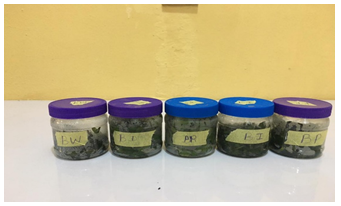
- BR (Raw control): Fresh leaves analyzed without cooking.
- BD (Direct steaming / direct water contact): Leaves were placed in direct contact with boiling water and heated for 5 min. Water temperature was monitored using a thermometer and confirmed at approximately 100 °C before timing began.
- BI (Indirect steaming / no direct water contact): Leaves were placed on a perforated tray above boiling water, ensuring no direct water contact, and steamed in a covered vessel for 5 min. Boiling water temperature was verified using a thermometer (100 °C) before timing to maintain consistent steam conditions.
- BP (Pressure cooking): Leaves were cooked in a domestic pressure cooker containing 500 ml of water. Cooking time (5 min) was counted after full operating pressure was reached, indicated by continuous steam release from the pressure regulator. Under typical domestic pressure-cooking conditions, the internal temperature at full pressure is approximately 120–121 °C (saturated steam), although temperature was not measured directly in this study.
- BW (Microwave cooking): Leaves (100 g per replicate) were microwaved at 1000 W for 5 min in a covered microwave-safe container to minimize moisture loss and promote uniform heating. The temperature within the leaves was not quantified during microwaving; therefore, power level, sample mass, container type, and cooking time were kept constant across all replicates to ensure reproducibility.
Samples were cooked and then allowed to cool to room temperature, and prepared for subsequent analyses.
Figure 1: Solanecio biafrae leaves subjected to different cooking methods: BD=Direct steaming; BI=Indirect steaming; BP=Pressure cooking; BR=Raw (uncooked); BW=Microwave cooking
Proximate analysis
Proximate analysis of the samples was conducted in line with Association of Official Analytical Chemists (AOAC, 2023) standardized procedures, covering moisture, protein, lipid, fibre, and ash contents. Carbohydrate was determined indirectly by difference, and caloric values were estimated from macronutrient composition using Atwater conversion coefficients (El Chami et al., 2025).
Proximate analysis of the samples was conducted in line with Association of Official Analytical Chemists (AOAC, 2023) standardized procedures, covering moisture, protein, lipid, fibre, and ash contents. Carbohydrate was determined indirectly by difference, and caloric values were estimated from macronutrient composition using Atwater conversion coefficients (El Chami et al., 2025).
Vitamin analysis
Vitamins A, C, E, and B9 were quantified using established spectrophotometric and chromatographic methods.
Vitamin A was determined by carrying out saponification on a 1 g portion of the sample using 30 ml absolute ethanol and 3 ml of 5% KOH, then refluxed under nitrogen for 30 min. After cooling the solution to ambient temperature, the mixture was incorporated into 30 ml of distilled water, and subsequently centrifuged for 15 min. The organic phase was isolated, subjected to ether extraction, and subsequently rinsed with distilled water, evaporated under nitrogen, and reconstituted in isopropyl alcohol. Absorbance was measured at 300, 310, 325, 334, and 350 nm (Oloye et al., 2023). Vitamin C was determined by portioning 200 µl of the extract with the addition of 300 µl of 13.3% trichloroacetic acid and 75 µl of 2,4-dinitrophenylhydrazine reagent (Oloye et al., 2023). The reaction mixture was allowed to incubate at 37 °C for 3 h, after which 500 µl of 65% sulphuric acid (H2SO4) was carefully added to terminate the reaction and absorbance was measured at 520 nm. Vitamin E was analyzed following Oloye et al. (2023). One gram of sample was refluxed with absolute ethanol and alcoholic H2SO4, and diethyl ether was used for unsaponifiable fraction extraction. The extract was dried over anhydrous sodium sulfate, evaporated, and the residue reacted with nitric acid in ethanol at 90 °C. Absorbance was recorded at 470 nm. Vitamin B9 (Total Folate) was determined according to AOAC (2023). Homogenized samples were extracted in chilled antioxidant buffer and subjected to trienzyme treatment (α-amylase, protease, and β-glutamyl hydrolase). The clarified extracts obtained after centrifugation were subsequently characterized using Ultra-Performance Liquid Chromatography-tandem Mass Spectrometry (UPLC–MS/MS), with analytes resolved under reversed-phase separation and Multiple Reaction Monitoring (MRM). Quantification was based on external calibration curves, and results were expressed on a sample weight basis (µg/100g) after accounting for extract volume and sample mass.
Mineral analysis
Mineral determination involved digesting 5 g of every sample with 10 ml of 5 N hydrochloric acid under controlled heating conditions. After evaporation to near dryness in a water bath and cooling, the digest was filtered and moved to a volumetric flask with 100 ml capacity, followed by dilution to the calibration mark with distilled water. Elemental concentrations of Fe, Mg, Ca, and P were subsequently measured using atomic absorption spectrophotometry based on AOAC (2023) standard protocols.
Phytochemical analysis
A modified aluminum chloride colorimetric approach, as outlined by Sulastri et al. (2018), was used to estimate the Total Flavonoid Content (TFC). Under carefully monitored incubation conditions, the extract was successively reacted with sodium hydroxide, sodium nitrite, and aluminum chloride. Absorbance was quantified at 510 nm. The findings were reported in milligrams of Quercetin Equivalents (QE) with some slight adjustments, the Folin–Ciocalteu test, which was developed by Siddiqui et al. (2017), was used to assess Total Phenolic Content (TPC). Measurement of absorbance were taken at 700 nm after the extract was treated with sodium carbonate and Folin-Ciocalteu reagent and incubated for 40 min at 45 °C to allow color development. The amount of phenol was quantified in milligrams of gallic acid equivalents.
Antioxidant assays
The samples’ antioxidant activity was determined via 2,2-Diphenyl-1-Picrylhydrazyl (DPPH) scavenging and Ferric Reducing Antioxidant Power (FRAP), and ferrous ion (Fe²+) chelation methods following established protocols (Salazar et al., 2022; Nwozo, Oso and Oyinloye, 2015), with minor modifications. For DPPH, the extract or ascorbic acid standard was reacted with ethanolic DPPH solution and kept under gloomy condition prior to absorbance measurement at 518 nm, and percentage inhibition was calculated relative to the control. FRAP analysis was performed using freshly prepared reagent containing acetate buffer (pH 3.6), 2,4,6-Tripyridyl-S-triazine (TPTZ), and ferric chloride. Absorbance was recorded at 595 nm after brief incubation. Gallic acid, quercetin, and catechin were used as reference standards. Fe²⁺ chelating activity was measured as the ability of the extract to interfere with Fe²+–ferrozine complex formation recorded at 562 nm absorbance and results presented as percentage inhibition.
Statistical analysis
All experimental determinations were done in three independent replicates, and findings represent mean values with corresponding Standard Deviations (SD). Statistical evaluation was carried out using one-way ANOVA in SPSS software, version 25. Mean separation was conducted for Duncan’s multiple range test, and at 5% probability level, statistical significance was determined.
Results and discussion
Effect of cooking on bologi leaf composition
-Proximate composition
Vitamins A, C, E, and B9 were quantified using established spectrophotometric and chromatographic methods.
Vitamin A was determined by carrying out saponification on a 1 g portion of the sample using 30 ml absolute ethanol and 3 ml of 5% KOH, then refluxed under nitrogen for 30 min. After cooling the solution to ambient temperature, the mixture was incorporated into 30 ml of distilled water, and subsequently centrifuged for 15 min. The organic phase was isolated, subjected to ether extraction, and subsequently rinsed with distilled water, evaporated under nitrogen, and reconstituted in isopropyl alcohol. Absorbance was measured at 300, 310, 325, 334, and 350 nm (Oloye et al., 2023). Vitamin C was determined by portioning 200 µl of the extract with the addition of 300 µl of 13.3% trichloroacetic acid and 75 µl of 2,4-dinitrophenylhydrazine reagent (Oloye et al., 2023). The reaction mixture was allowed to incubate at 37 °C for 3 h, after which 500 µl of 65% sulphuric acid (H2SO4) was carefully added to terminate the reaction and absorbance was measured at 520 nm. Vitamin E was analyzed following Oloye et al. (2023). One gram of sample was refluxed with absolute ethanol and alcoholic H2SO4, and diethyl ether was used for unsaponifiable fraction extraction. The extract was dried over anhydrous sodium sulfate, evaporated, and the residue reacted with nitric acid in ethanol at 90 °C. Absorbance was recorded at 470 nm. Vitamin B9 (Total Folate) was determined according to AOAC (2023). Homogenized samples were extracted in chilled antioxidant buffer and subjected to trienzyme treatment (α-amylase, protease, and β-glutamyl hydrolase). The clarified extracts obtained after centrifugation were subsequently characterized using Ultra-Performance Liquid Chromatography-tandem Mass Spectrometry (UPLC–MS/MS), with analytes resolved under reversed-phase separation and Multiple Reaction Monitoring (MRM). Quantification was based on external calibration curves, and results were expressed on a sample weight basis (µg/100g) after accounting for extract volume and sample mass.
Mineral analysis
Mineral determination involved digesting 5 g of every sample with 10 ml of 5 N hydrochloric acid under controlled heating conditions. After evaporation to near dryness in a water bath and cooling, the digest was filtered and moved to a volumetric flask with 100 ml capacity, followed by dilution to the calibration mark with distilled water. Elemental concentrations of Fe, Mg, Ca, and P were subsequently measured using atomic absorption spectrophotometry based on AOAC (2023) standard protocols.
Phytochemical analysis
A modified aluminum chloride colorimetric approach, as outlined by Sulastri et al. (2018), was used to estimate the Total Flavonoid Content (TFC). Under carefully monitored incubation conditions, the extract was successively reacted with sodium hydroxide, sodium nitrite, and aluminum chloride. Absorbance was quantified at 510 nm. The findings were reported in milligrams of Quercetin Equivalents (QE) with some slight adjustments, the Folin–Ciocalteu test, which was developed by Siddiqui et al. (2017), was used to assess Total Phenolic Content (TPC). Measurement of absorbance were taken at 700 nm after the extract was treated with sodium carbonate and Folin-Ciocalteu reagent and incubated for 40 min at 45 °C to allow color development. The amount of phenol was quantified in milligrams of gallic acid equivalents.
Antioxidant assays
The samples’ antioxidant activity was determined via 2,2-Diphenyl-1-Picrylhydrazyl (DPPH) scavenging and Ferric Reducing Antioxidant Power (FRAP), and ferrous ion (Fe²+) chelation methods following established protocols (Salazar et al., 2022; Nwozo, Oso and Oyinloye, 2015), with minor modifications. For DPPH, the extract or ascorbic acid standard was reacted with ethanolic DPPH solution and kept under gloomy condition prior to absorbance measurement at 518 nm, and percentage inhibition was calculated relative to the control. FRAP analysis was performed using freshly prepared reagent containing acetate buffer (pH 3.6), 2,4,6-Tripyridyl-S-triazine (TPTZ), and ferric chloride. Absorbance was recorded at 595 nm after brief incubation. Gallic acid, quercetin, and catechin were used as reference standards. Fe²⁺ chelating activity was measured as the ability of the extract to interfere with Fe²+–ferrozine complex formation recorded at 562 nm absorbance and results presented as percentage inhibition.
Statistical analysis
All experimental determinations were done in three independent replicates, and findings represent mean values with corresponding Standard Deviations (SD). Statistical evaluation was carried out using one-way ANOVA in SPSS software, version 25. Mean separation was conducted for Duncan’s multiple range test, and at 5% probability level, statistical significance was determined.
Results and discussion
Effect of cooking on bologi leaf composition
-Proximate composition
The proximate composition of S. biafrae varied significantly among cooking methods (Table 1), reflecting differences in water uptake, matrix disruption, and nutrient leaching. Moisture content increased significantly following moist-heat treatment, reflecting enhanced tissue hydration. This trend may be ascribed to heat-induced cell walls softening and increased membrane permeability, which facilitate water and steam penetration into plant tissues (Zhang et al., 2025).
Crude fibre content differed significantly among processing treatments (p<0.05), with microwaving resulting in comparatively higher fibre retention, whereas pressure cooking produced the lowest values. The decline observed after thermal processing may be attributed to heat-induced softening and partial depolymerization of structural polysaccharides such as pectin and hemicellulose, which enhances solubility and facilitates leaching of soluble fibre fractions into the cooking medium. In contrast, microwave processing likely limited fibre losses because it involves minimal water contact and shorter effective heating, thereby reducing solubilization and leaching. Similar patterns have been documented in other vegetables, where microwaving preserved structural polysaccharides more effectively than conventional moist-heat treatments (Buratti et al., 2020).
Crude fibre content differed significantly among processing treatments (p<0.05), with microwaving resulting in comparatively higher fibre retention, whereas pressure cooking produced the lowest values. The decline observed after thermal processing may be attributed to heat-induced softening and partial depolymerization of structural polysaccharides such as pectin and hemicellulose, which enhances solubility and facilitates leaching of soluble fibre fractions into the cooking medium. In contrast, microwave processing likely limited fibre losses because it involves minimal water contact and shorter effective heating, thereby reducing solubilization and leaching. Similar patterns have been documented in other vegetables, where microwaving preserved structural polysaccharides more effectively than conventional moist-heat treatments (Buratti et al., 2020).
| Table 1: Proximate composition of Bologi leaves according to various cooking techniques |
| Samples | Moisture (%) | Crude Fibre (%) | CHO (%) | Ash (%) | Protein (%) | Fat (%) | Energy (Kcal/100g) | |
| BP | 86.90±0.85 a | 1.08±0.03 e | 7.08±1.00 b | 1.67±0.04 a | 3.23±0.78 a | 0.03±0.00 ab | 41.52±3.69 b | |
| BR | 80.07±0.64 b | 2.14±0.06 b | 13.81±0.80 a | 1.07±0.03 c | 2.88±0.69 c | 0.03±0.00 ab | 67.01±2.92 a | |
| BD | 88.67±0.13 a | 1.38±0.04 d | 9.87±2.33 ab | 0.87±0.02 d | 0.70±0.02 e | 0.01±0.00 c | 42.35±9.24 b | |
| BW | 86.51±2.23 a | 2.68±0.08 a | 7.37±2.40 b | 0.36±0.01 e | 3.06±0.00 b | 0.28±0.00 a | 41.94±9.28 b | |
| BI | 87.73±0.82 a | 1.68±0.05 c | 8.36±0.93 b | 1.18±0.03 b | 1.05±0.00 d | 0.01±0.00 c | 37.70±3.61 b | |
Values represent mean ± Standard Deviation (SD; n = 3); column entries with unlike superscripts denote significant differences at 5% level.
BD=Direct Steaming cooking method of Bologi leaves; BI=Indirect Steaming cooking method of Bologi leaves; BP=Pressure-cooking method of Bologi leaves; BR= Raw/uncooked bologi leaves; BW=Microwave cooking method of Bologi leaves; CHO=Carbohydrate
BD=Direct Steaming cooking method of Bologi leaves; BI=Indirect Steaming cooking method of Bologi leaves; BP=Pressure-cooking method of Bologi leaves; BR= Raw/uncooked bologi leaves; BW=Microwave cooking method of Bologi leaves; CHO=Carbohydrate
Carbohydrate content declined significantly following thermal processing (p<0.05), with raw leaves exhibiting the highest levels relative to cooked samples. The reduction is consistent with heat-induced membrane permeability, which promotes leaching of soluble sugars and low-molecular-weight carbohydrates into the cooking medium (Razzak et al., 2023). As a result, the calculated energy values were greater in raw leaves compared to processed counterparts.
Ash content, reflecting total mineral matter, differed significantly among treatments, with pressure cooking showing comparatively higher mineral retention than microwave processing. The apparent retention under pressure conditions may be associated with high-temperature–short-time treatment, which disrupts plant matrices and improves mineral release while potentially limiting prolonged leaching losses (Okibe, Agbo and Okibe, 2016; Razzak et al., 2023).
Protein levels also varied across treatments, with pressure cooking demonstrating superior retention relative to direct steaming. This may be attributed to enhanced protein denaturation and improved extractability during analysis. Conversely, steaming may increase tissue hydration and promote dilution effects or the loss of soluble nitrogenous compounds via condensate drip (Fabbri and Crosby, 2016; Javed, Yadav and Ahmed, 2025).
Fat content remained low across all samples, though microwave-treated leaves exhibited slightly elevated values. This trend may result from microwave-induced membrane disruption, which can enhance lipid extractability or promote partial lipid hydrolysis (Deng et al., 2022; Wang et al., 2023).
Ash content, reflecting total mineral matter, differed significantly among treatments, with pressure cooking showing comparatively higher mineral retention than microwave processing. The apparent retention under pressure conditions may be associated with high-temperature–short-time treatment, which disrupts plant matrices and improves mineral release while potentially limiting prolonged leaching losses (Okibe, Agbo and Okibe, 2016; Razzak et al., 2023).
Protein levels also varied across treatments, with pressure cooking demonstrating superior retention relative to direct steaming. This may be attributed to enhanced protein denaturation and improved extractability during analysis. Conversely, steaming may increase tissue hydration and promote dilution effects or the loss of soluble nitrogenous compounds via condensate drip (Fabbri and Crosby, 2016; Javed, Yadav and Ahmed, 2025).
Fat content remained low across all samples, though microwave-treated leaves exhibited slightly elevated values. This trend may result from microwave-induced membrane disruption, which can enhance lipid extractability or promote partial lipid hydrolysis (Deng et al., 2022; Wang et al., 2023).
-Mineral composition
Mineral changes during cooking as shown in Table 2 are largely influenced by leaching and heat-induced disruption of plant tissue matrices. Cooking methods that decrease direct water contact, such as steaming, generally reduce mineral diffusion into the cooking medium (Razzak et al., 2023).
| Table 2: Mineral composition of Bologi leaves according to various cooking techniques | ||||
| Samples | Fe (mg/100 g) | Mg (mg/100 g) | Ca (mg/100 g) | P (mg/100 g) |
| BP | 3.07±0.07 a | 1.05±0.01 c | 2.25±0.01 c | 8.89±0.35 d |
| BR | 2.37±0.06 c | 1.49±0.01 a | 2.73±0.04 a | 11.86±0.35 b |
| BD | 2.55±0.06 b | 1.45±0.00 a | 2.31±0.06 c | 4.43±0.35 e |
| BW | 2.18±0.05 d | 1.22±0.03 b | 2.57±0.01 b | 10.99±0.18 c |
| BI | 3.17±0.08 a | 1.47±0.03 a | 2.55±0.01 b | 19.28±0.35 a |
Values represent mean ± Standard Deviation (SD; n = 3); column entries with unlike superscripts denote significant differences at 5% level.
BD=Direct steaming; BI=Indirect steaming; BP=Pressure cooking; BR=Raw (uncooked); BW=Microwave cooking
BD=Direct steaming; BI=Indirect steaming; BP=Pressure cooking; BR=Raw (uncooked); BW=Microwave cooking
Mineral composition varied significantly across processing methods. Indirect steaming demonstrated comparatively higher retention of iron and phosphorus, with iron levels statistically comparable to pressure cooking. These findings support reports that steaming and pressure treatments reduce mineral losses by limiting direct water contact and shortening effective cooking duration (Zor et al., 2022). The elevated phosphorus content observed under indirect steaming may further reflect improved mineral extractability resulting from heat-induced tissue softening and reduced phytate–mineral interactions (Lisciani et al., 2025).
In contrast, raw leaves retained higher levels of calcium and magnesium, consistent with the expectation that minimal processing best preserves intrinsic mineral composition (Anju et al., 2024). The absence of significant differences in magnesium between the raw control and indirectly steamed samples suggests that steaming maintained mineral stability comparable to unprocessed leaves. These results align with previous findings that steaming minimizes diffusion-related mineral losses compared with boiling (Razzak et al., 2023; Zor et al., 2022).
In contrast, raw leaves retained higher levels of calcium and magnesium, consistent with the expectation that minimal processing best preserves intrinsic mineral composition (Anju et al., 2024). The absence of significant differences in magnesium between the raw control and indirectly steamed samples suggests that steaming maintained mineral stability comparable to unprocessed leaves. These results align with previous findings that steaming minimizes diffusion-related mineral losses compared with boiling (Razzak et al., 2023; Zor et al., 2022).
-Vitamin composition
Vitamin composition also differed significantly among treatments (p<0.05). Microwave processing exhibited comparatively higher folate retention (Table 3), likely attributable to shorter exposure time and reduced leaching of this heat-sensitive, water-soluble vitamin (Dueck, Cenkowski and Izydorczyk, 2020; Martínez-Hernández et al., 2021).
| Table 3: Vitamins composition of Bologi leaves according to various cooking techniques | ||||
| Samples | VITAMIN B9 (µg/100 g) | VITAMIN C (mg/100 g) | VITAMIN E (mg/100 g) | VITAMIN A (µg (RAE)/100 g) |
| BP | 548.91±0.14 c | 190.25±0.05 a | 291.77±0.07 a | 229.24±0.06 a |
| BR | 592.55±0.15 b | 72.20±0.02 c | 170.77±0.04 d | 132.77±0.03 c |
| BD | 617.05±0.15 b | 19.48±0.01 e | 204.67±0.05 c | 174.26±0.04 b |
| BW | 659.92±0.16 a | 92.83±0.02 b | 98.69±0.02 e | 227.16±0.06 a |
| BI | 610.92±0.15 b | 58.45±0.01 d | 223.55±0.06 b | 105.80±0.03 d |
Values represent mean ± Standard Deviation (SD; n = 3); column entries with unlike superscripts denote significant differences at 5% level.
BD=Direct steaming; BI=Indirect steaming; BP=Pressure cooking; BR=Raw (uncooked); BW=Microwave cooking; RAE=Retinol Activity Equivalent
BD=Direct steaming; BI=Indirect steaming; BP=Pressure cooking; BR=Raw (uncooked); BW=Microwave cooking; RAE=Retinol Activity Equivalent
Vitamin C retention differed significantly among treatments, with pressure cooking demonstrating superior preservation compared with other moist-heat methods. Given the pronounced thermal and oxygen sensitivity of ascorbic acid, the enhanced retention under pressure conditions may be attributed to shorter effective heating time and reduced oxygen exposure within the sealed system, thereby limiting oxidative degradation. These findings align with previous reports indicating improved vitamin C stability in pressure-cooked vegetables relative to boiling or prolonged steaming (Bureau et al., 2015; Lee et al., 2017).
Vitamin E levels followed a similar trend, with pressure-treated samples exhibiting comparatively higher values. This may reflect improved tocopherol extractability resulting from membrane disruption under moderate heat, while avoiding excessive oxidative loss (Kim et al., 2022).
Vitamin A activity was significantly elevated in both pressure-cooked and microwave-treated samples relative to the raw control. The observed increase likely results from heat-induced disruption of chromoplast structures and protein–lipid complexes, which enhances carotenoid release and bioaccessibility. Comparable improvements in measurable provitamin A availability following moderate thermal processing have been documented in carrots and leafy vegetables, where tissue softening facilitates carotenoid liberation (Benítez-González et al., 2024). Collectively, these results suggest that controlled thermal processing may enhance carotenoid extractability without substantial nutrient degradation.
Vitamin E levels followed a similar trend, with pressure-treated samples exhibiting comparatively higher values. This may reflect improved tocopherol extractability resulting from membrane disruption under moderate heat, while avoiding excessive oxidative loss (Kim et al., 2022).
Vitamin A activity was significantly elevated in both pressure-cooked and microwave-treated samples relative to the raw control. The observed increase likely results from heat-induced disruption of chromoplast structures and protein–lipid complexes, which enhances carotenoid release and bioaccessibility. Comparable improvements in measurable provitamin A availability following moderate thermal processing have been documented in carrots and leafy vegetables, where tissue softening facilitates carotenoid liberation (Benítez-González et al., 2024). Collectively, these results suggest that controlled thermal processing may enhance carotenoid extractability without substantial nutrient degradation.
-Phytochemical properties
Phytochemical variation among treatments (Table 4) reflected the interplay between thermal degradation and heat-enhanced extractability. Total flavonoid content was significantly higher in raw leaves compared with cooked samples, indicating susceptibility of flavonoid compounds to thermal processing. The observed decline after heating is consistent with the known heat sensitivity and oxidative instability of many flavonoids, which undergo structural degradation during prolonged exposure to elevated temperatures (ElGamal et al., 2023).
| Table 4: Phytochemicals properties of Bologi leaves as affected by cooking method | ||
| Samples | Flavonoid(mg(QE)/100 g) | Phenol (mg(GAE)/100 g) |
| BP | 324.31±0.08 c | 810.83±0.19 bc |
| BR | 434.71±0.11 a | 758.62±0.18 c |
| BD | 345.01±0.08 c | 767.83±0.18 c |
| BW | 400.21±0.99 b | 1157.89±0.28 a |
| BI | 292.57±0.72 d | 832.33±0.20 b |
Values represent mean ± Standard Deviation (SD; n = 3); column entries with unlike superscripts denote significant differences at 5% level.
BD=Direct steaming; BI=Indirect steaming; BP=Pressure cooking; BR=Raw (uncooked); BW=Microwave cooking; GAE= Gallic Acid Equivalent; QE=Quercetin equivalent
BD=Direct steaming; BI=Indirect steaming; BP=Pressure cooking; BR=Raw (uncooked); BW=Microwave cooking; GAE= Gallic Acid Equivalent; QE=Quercetin equivalent
Total Phenolic Content (TPC) differed significantly among treatments (Table 4), with microwave processing demonstrating superior phenolic retention compared with the raw control. The observed increase is most plausibly attributable to enhanced extractability of phenolics bound to cell wall matrices, as microwave heating rapidly disrupts plant tissues and promotes release of phenolic compounds into the extractable fraction rather than inducing de novo synthesis. Similar microwave-associated increases in measurable phenolic levels have been reported in several vegetables and are linked to cell wall weakening and reduced oxidative exposure due to shorter processing durations (Buratti et al., 2020; Maqbool et al., 2021). These findings support the comparatively higher phenolic recovery observed in microwave-treated samples.
-Antioxidant properties
Antioxidant activity differed significantly among cooking methods (Table 5). Indirect steaming demonstrated superior DPPH radical scavenging and ferric reducing antioxidant capacity relative to other treatments. This pattern suggests that indirect steaming better preserves antioxidant constituents by minimizing leaching and oxidative degradation, while potentially enhancing the release of matrix-bound antioxidant compounds (Lee et al., 2017).
| Table 5: Antioxidant Properties of Bologi leaves according to various cooking techniques | |||
| Samples | DPPH Inhibition (%) | FRAP (mg (AAE)/100 g) | Fe-chelation (%) |
| BP | 41.68±2.01 b | 376.08±0.09 b | 43.80±1.35 c |
| BR | 45.40±2.10 ab | 398.75±0.98 ab | 73.79±0.63 a |
| BD | 41.79±2.01 b | 348.04±0.09 c | 57.04±1.03 b |
| BW | 28.28±1.68 c | 396.44±0.10 ab | 31.78±1.63 d |
| BI | 47.73±2.16 a | 416.80±0.10 a | 58.12±1.00 b |
Values represent mean ± Standard Deviation (SD; n = 3); column entries with unlike superscripts denote significant differences at 5% level.
AAE= Ascorbic acid equivalent; BD=Direct Steaming cooking method of Bologi leaves; BI=Indirect Steaming cooking method of Bologi leaves; BP=Pressure-cooking method of Bologi leaves; BR=Raw/uncooked bologi leaves; BW=Microwave cooking method of Bologi leaves
AAE= Ascorbic acid equivalent; BD=Direct Steaming cooking method of Bologi leaves; BI=Indirect Steaming cooking method of Bologi leaves; BP=Pressure-cooking method of Bologi leaves; BR=Raw/uncooked bologi leaves; BW=Microwave cooking method of Bologi leaves
Fe²+ chelating activity varied significantly among treatments (Table 5), with raw leaves demonstrating superior metal-binding capacity compared with thermally processed samples. Chelation potential declined markedly following heating, particularly under microwave treatment. This reduction likely reflects the thermal sensitivity of metal-chelating constituents, including certain polyphenolic structures and metal-binding peptides, which may undergo oxidative modification, structural alteration, or denaturation during cooking. Comparable decreases in chelation capacity after thermal processing have been documented in leafy vegetables and are attributed to degradation of heat-labile phenolics and loss of peptide-mediated binding sites, thereby reducing overall metal sequestration potential (Nwozo, Oso and Oyinloye, 2015).
Overall, antioxidant changes likely represent a net effect of degradation and enhanced extractability rather than simple nutrient loss.
Conclusion
This research highlights the considerable effect of traditional cooking techniques on the chemical, and antioxidant properties of S. biafrae leaves. Pressure cooking and microwaving were most effective for preserving key nutrients, including protein, folate, vitamins A and C, and phenolic compounds. Indirect steaming produced the highest antioxidant activity (DPPH and FRAP), while raw leaves retained the most carbohydrate, calcium, magnesium, and Fe²+ chelation capacity. From a practical perspective, microwaving and pressure cooking are recommended when nutrient preservation is the primary goal. Indirect steaming, an inexpensive and easily adoptable method, offers an effective way to maximize antioxidant potential during home preparation of Bologi leaves. These findings provide evidence-based guidance for optimizing the nutritional benefits of this underutilized indigenous vegetable.
Author contributions
T.M.J. and A.M.O. designed and performed the work; T.M.J and O.O.K. supervised the research, reviewed the manuscript, and editing; T.M.J. accomplished the data analysis and wrote the manuscript as well. All authors read and approved the final manuscript.
Overall, antioxidant changes likely represent a net effect of degradation and enhanced extractability rather than simple nutrient loss.
Conclusion
This research highlights the considerable effect of traditional cooking techniques on the chemical, and antioxidant properties of S. biafrae leaves. Pressure cooking and microwaving were most effective for preserving key nutrients, including protein, folate, vitamins A and C, and phenolic compounds. Indirect steaming produced the highest antioxidant activity (DPPH and FRAP), while raw leaves retained the most carbohydrate, calcium, magnesium, and Fe²+ chelation capacity. From a practical perspective, microwaving and pressure cooking are recommended when nutrient preservation is the primary goal. Indirect steaming, an inexpensive and easily adoptable method, offers an effective way to maximize antioxidant potential during home preparation of Bologi leaves. These findings provide evidence-based guidance for optimizing the nutritional benefits of this underutilized indigenous vegetable.
Author contributions
T.M.J. and A.M.O. designed and performed the work; T.M.J and O.O.K. supervised the research, reviewed the manuscript, and editing; T.M.J. accomplished the data analysis and wrote the manuscript as well. All authors read and approved the final manuscript.
Acknowledgements
The authors are grateful to Human Nutrition and Dietetics Department, Osun State University, for technical support during this research.
Conflicts of interest
There are no disclosed conflicts of interest for the writers.
Funding
No financial assistance was provided for the conduct of this study.
Ethical considerations
There was no requirement for ethical approval because neither human nor animal participants were involved.
The authors are grateful to Human Nutrition and Dietetics Department, Osun State University, for technical support during this research.
Conflicts of interest
There are no disclosed conflicts of interest for the writers.
Funding
No financial assistance was provided for the conduct of this study.
Ethical considerations
There was no requirement for ethical approval because neither human nor animal participants were involved.
References
Ajiboye, B.O., Ibukun, E.O., Edobor, G., Ojo, A.O. and Onikanni, S.A. (2013) 'Chemical composition of Senecio biafrae leaf', Scientific Journal of Biological Sciences, 2(8), pp. 152-159. Available at: https://doi.org/10.14196/sjbs.v2i8.873
Anju, T., Saritha, G.N.G., Ramchiary, N. and Kumar, A. (2024) 'Assessing the impact of different cooking methods on nutrients, phytochemicals and antioxidant activity of traditional food plants', Food Chemistry Advances, 4, p. 100677. Available at: https://doi.org/10.1016/j.focha.2024.100677
AOAC International (2023) Official Methods of Analysis. 22nd edn. Rockville, MD: AOAC International.
Bello, O.A., Ayanda, O.I., Aworunse, O.S., Olukanmi, B.I., Soladoye, M.O., Esan, E.B. and Obembe, O.O. (2018) 'Solanecio biafrae: An underutilized nutraceutically-important African indigenous vegetable', Pharmacognosy Reviews, 12(23), pp. 128–132. Available at: https://doi.org/10.4103/phrev.phrev_43_17
Benítez-González, A.M., Stinco, C.M., Rodríguez-Pulido, F.J., Vicario, I.M. and Meléndez-Martínez, A.J. (2024) 'Towards more sustainable cooking practices to increase the bioaccessibility of colourless and provitamin A carotenoids in cooked carrots', Food and Function, 15(17), pp. 8835–8847. Available at: https://doi.org/10.1039/D4FO02752C
Buratti, S., Cappa, C., Benedetti, S. and Giovanelli, G. (2020) 'Influence of cooking conditions on nutritional properties and sensory characteristics interpreted by e-senses: Case study on selected vegetables', Foods, 9(5), p. 607. Available at: https://doi.org/10.3390/foods9050607
Bureau, S., Mouhoubi, S., Touloumet, L., Garcia, C., Moreau, F., Bédouet, V. and Renard, C.M. (2015) 'Are folates, carotenoids and vitamin C affected by cooking? Four domestic procedures compared on a large diversity of frozen vegetables', LWT - Food Science and Technology, 64(2), pp. 735–741.
Deng, X., Huang, H., Huang, S., Yang, M., Wu, J., Ci, Z., He, Y., Wu, Z., Han, L. and Zhang, D. (2022) 'Insight into the incredible effects of microwave heating: Driving changes in the structure, properties and functions of macromolecular nutrients in novel food', Frontiers in Nutrition, 9, p. 941527. Available at: https://doi.org/10.3389/fnut.2022.941527
Dueck, C., Cenkowski, S. and Izydorczyk, M.S. (2020) 'Effects of drying methods (hot air, microwave, and superheated steam) on physicochemical and nutritional properties of bulgur prepared from high amylose and waxy hull-less barley', Cereal Chemistry, 97(2), pp. 483–495. Available at: https://doi.org/10.1002/cche.10263
El Chami, M.A., Palacios-Rodríguez, G., Ordóñez-Díaz, J.L., Rodríguez-Solana, R., Navarro-Cerrillo, R.M. and Moreno-Rojas, J.M. (2025) 'Proximate analysis, total phenolic content, and antioxidant activity of wild carob pulp from three Mediterranean countries', Applied Sciences, 15(3), p. 1340. Available at: https://doi.org/10.3390/app15031340
ElGamal, R., Song, C., Rayan, A.M., Liu, C., Al-Rejaie, S. and ElMasry, G. (2023) 'Thermal degradation of bioactive compounds during drying process of horticultural and agronomic products: A comprehensive overview', Agronomy, 13(6), p. 1580. Available at: https://doi.org/10.3390/agronomy13061580
Fabbri, A.D. and Crosby, G.A. (2016) 'A review of the impact of preparation and cooking on the nutritional quality of vegetables and legumes', International Journal of Gastronomy and Food Science, 3, pp. 2–11. Available at: https://doi.org/10.1016/j.ijgfs.2015.11.001
Javed, T., Yadav, S., Ahmed, M., Anjum, N.A., Mounsef, J.R. and Qutia, A. (2025) 'Impact of hydrothermal processing on the mineral, antinutritional, antioxidant and functional characteristics of proso millet (Panicum miliaceum)', Food, Nutrition and Health, 2, p. 19. Available at: https://doi.org/10.1007/s44403-025-00027-y
Kim, H.J., Shin, J., Kang, Y., Kim, D., Park, J.J. and Kim, H.J. (2022) 'Effect of different cooking methods on vitamin E and K content and true retention of legumes and vegetables commonly consumed in Korea', Food Science and Biotechnology, 32(5), pp. 647–658. Available at: https://doi.org/10.1007/s10068-022-01206-9
Lee S., Choi Y., Jeong H.S., Lee J. and Sung J. (2017) 'Effect of different cooking methods on the content of vitamins and true retention in selected vegetables', Food Science and Biotechnology, 27(2), pp. 333-342. Available at: https://doi.org/10.1007/s10068-017-0281-1
Lisciani, S., Aguzzi, A., Gabrielli, P., Camilli, E., Gambelli, L., Marletta, L. and Marconi, S. (2025) 'Effects of household cooking on mineral composition and retention in widespread Italian vegetables', Nutrients, 17(3), p. 423. Available at: https://doi.org/10.3390/nu17030423
Maqbool, N., Sofi, S.A., Makroo, H.A., Mir, S.A., Majid, D. and Dar, B. (2021) 'Cooking methods affect eating quality, bio-functional components, antinutritional compounds and sensory attributes of selected vegetables', Italian Journal of Food Science, 33(SP1), pp. 150–162. Available at: https://doi.org/10.15586/ijfs.v33iSP1.2092
Martínez-Hernández, G.B., Gómez, P.A., García-Talavera, N.V., Artés− Hernández, F., Monedero-Saiz, T., Sánchez-Álvarez, C. and Artés, F. (2021) 'Bioavailability of vitamin C and folates in plasma and its antioxidant status after consumption of raw and microwaved broccolI', ACS Food Science and Technology, 1(7), pp. 1215-1221. Available at: https://doi.org/10.1021/acsfoodscitech.1c00105
Mehmood, A. and Zeb, A. (2020) 'Effects of different cooking techniques on bioactive contents of leafy vegetables', International Journal of Gastronomy and Food Science, 22, p. 100246. Available at: https://doi.org/10.1016/j.ijgfs.2020.100246
Mungofa, N., Sibanyoni, J.J., Mashau, M.E. and Beswa, D. (2022) 'Prospective role of indigenous leafy vegetables as functional food ingredients', Molecules, 27(22), p. 7995. Available at: https://doi.org/10.3390/molecules27227995
Nwozo, S.O., Oso, B.J. and Oyinloye, B.E. (2015) 'Effect of heat on antioxidant activity of some tropical leafy vegetables', Nigerian Journal of Basic and Applied Sciences, 23(2), pp. 93–101.
Okibe, F.G., Agbo, B.E. and Okibe, A.E. (2016) 'Effect of cooking methods on proximate and mineral composition of fluted pumpkin (Telfairia occidentalis) leaves', International Journal of Biochemistry Research and Review, 9(2), pp. 1–7. Available at: https://doi.org/10.9734/IJBCRR/2016/21483
Olaniyan, M.F. (2017) 'Scavenging antioxidative bioactivities of Solanecio biafrae (Wòròwó) in rabbits induced with alcohol toxicity', Journal of Biology and Nature, 7(1), pp. 29–37.
Oloye, M.T., Arawande, J.O., Borokini, F.B., Lawal, T.P. and Oderemi, Y.O. (2023) 'Extraction and determination of vitamins from pectin obtained from four different citrus fruit peels', GSC Biological and Pharmaceutical Sciences, 22(3), pp. 180–187. Available at: https://doi.org/10.30574/gscbps.2023.22.3.0108
Omoyeni, O.A., Olaofe, O. and Akinyeye, R.O. (2015) 'Amino acid composition of ten commonly eaten indigenous leafy vegetables of South-West Nigeria', Journal of Nutrition and Health, 3(1), pp. 16–21. Available at: https://doi.org/10.12691/jnh-3-1-3
Razzak, A., Mahjabin, T., Munim Khan, M.R., Hossain, M., Sadia, U. and Zzaman, W. (2023) 'Effect of cooking methods on the nutritional quality of selected vegetables at Sylhet City', Heliyon, 9(11), p. e21709. Available at: https://doi.org/10.1016/j.heliyon.2023.e21709
Salazar, G.J.T., Ecker, A., Adefegha, S.A. and da Costa, J.G.M. (2022) 'Advances in evaluation of antioxidant and toxicological properties of stryphnodendron rotundifolium mart. in Drosophila melanogaster model', Foods, 11(15), p. 2236. Available at: https://doi.org/10.3390/foods11152236
Siddiqui, N., Rauf, A., Latif, A. and Mahmood, Z. (2017) 'Spectrophotometric determination of the total phenolic content, spectral and fluorescence study of the herbal Unani drug Gul-e-Zoofa (Nepeta bracteata Benth) ', Journal of Taibah University Medical Sciences, 12(4), pp. 360-363. Available at: https://doi.org/10.1016/j.jtumed.2016.11.006
Sulastri, E., Zubair, M.S., Anas, N.I., Abidin, S., Hardani, R. and Yulianti, R. (2018) 'Total phenolic, total flavonoid, quercetin content and antioxidant activity of standardized extract of Moringa oleifera leaf from regions with different elevation', Pharmacognosy Journal, 23(6).
Wang, X., Fan, C., Wang, X., Feng, T., Zhang, X., Yu, J., Cui, H. and Xia, S. (2023) 'Microwave heating and conduction heating pork belly: Influence of heat transfer modes on volatile compounds and aroma attributes', Food Bioscience, 52, p. 102438. Available at: https://doi.org/10.1016/j.fbio.2023.102438
Zhang, Y., Sun, X., Lu, A.A., Lai, J., Yang, Y., Zhang, J., Jaouhari, A.E., Zhu, J. and Ma, F. (2025) 'Effects of different cooking methods and soil environment on the nutrition of Dioscorea opposita Thunb', npj Science of Food, 9(1), p. 128. Available at: https://doi.org/10.1038/s41538-025-00499-4
Zhou, X., Guan, Q., Wang, Y., Lin, D. and Du, B. (2022) 'Effect of different cooking methods on nutrients, antioxidant activities and flavors of three varieties of Lentinus edodes', Foods, 11(17), p. 2713. Available at: https://doi.org/10.3390/foods11172713
Zor, M., Sengul, M., Karakütük, İ.A. and Odunkıran, A. (2022) 'Changes caused by different cooking methods in some physicochemical properties, antioxidant activity, and mineral composition of various vegetables', Journal of Food Processing and Preservation, 46(11), p. e16960. Available at: https://doi.org/10.1111/jfpp.16960
Ajiboye, B.O., Ibukun, E.O., Edobor, G., Ojo, A.O. and Onikanni, S.A. (2013) 'Chemical composition of Senecio biafrae leaf', Scientific Journal of Biological Sciences, 2(8), pp. 152-159. Available at: https://doi.org/10.14196/sjbs.v2i8.873
Anju, T., Saritha, G.N.G., Ramchiary, N. and Kumar, A. (2024) 'Assessing the impact of different cooking methods on nutrients, phytochemicals and antioxidant activity of traditional food plants', Food Chemistry Advances, 4, p. 100677. Available at: https://doi.org/10.1016/j.focha.2024.100677
AOAC International (2023) Official Methods of Analysis. 22nd edn. Rockville, MD: AOAC International.
Bello, O.A., Ayanda, O.I., Aworunse, O.S., Olukanmi, B.I., Soladoye, M.O., Esan, E.B. and Obembe, O.O. (2018) 'Solanecio biafrae: An underutilized nutraceutically-important African indigenous vegetable', Pharmacognosy Reviews, 12(23), pp. 128–132. Available at: https://doi.org/10.4103/phrev.phrev_43_17
Benítez-González, A.M., Stinco, C.M., Rodríguez-Pulido, F.J., Vicario, I.M. and Meléndez-Martínez, A.J. (2024) 'Towards more sustainable cooking practices to increase the bioaccessibility of colourless and provitamin A carotenoids in cooked carrots', Food and Function, 15(17), pp. 8835–8847. Available at: https://doi.org/10.1039/D4FO02752C
Buratti, S., Cappa, C., Benedetti, S. and Giovanelli, G. (2020) 'Influence of cooking conditions on nutritional properties and sensory characteristics interpreted by e-senses: Case study on selected vegetables', Foods, 9(5), p. 607. Available at: https://doi.org/10.3390/foods9050607
Bureau, S., Mouhoubi, S., Touloumet, L., Garcia, C., Moreau, F., Bédouet, V. and Renard, C.M. (2015) 'Are folates, carotenoids and vitamin C affected by cooking? Four domestic procedures compared on a large diversity of frozen vegetables', LWT - Food Science and Technology, 64(2), pp. 735–741.
Deng, X., Huang, H., Huang, S., Yang, M., Wu, J., Ci, Z., He, Y., Wu, Z., Han, L. and Zhang, D. (2022) 'Insight into the incredible effects of microwave heating: Driving changes in the structure, properties and functions of macromolecular nutrients in novel food', Frontiers in Nutrition, 9, p. 941527. Available at: https://doi.org/10.3389/fnut.2022.941527
Dueck, C., Cenkowski, S. and Izydorczyk, M.S. (2020) 'Effects of drying methods (hot air, microwave, and superheated steam) on physicochemical and nutritional properties of bulgur prepared from high amylose and waxy hull-less barley', Cereal Chemistry, 97(2), pp. 483–495. Available at: https://doi.org/10.1002/cche.10263
El Chami, M.A., Palacios-Rodríguez, G., Ordóñez-Díaz, J.L., Rodríguez-Solana, R., Navarro-Cerrillo, R.M. and Moreno-Rojas, J.M. (2025) 'Proximate analysis, total phenolic content, and antioxidant activity of wild carob pulp from three Mediterranean countries', Applied Sciences, 15(3), p. 1340. Available at: https://doi.org/10.3390/app15031340
ElGamal, R., Song, C., Rayan, A.M., Liu, C., Al-Rejaie, S. and ElMasry, G. (2023) 'Thermal degradation of bioactive compounds during drying process of horticultural and agronomic products: A comprehensive overview', Agronomy, 13(6), p. 1580. Available at: https://doi.org/10.3390/agronomy13061580
Fabbri, A.D. and Crosby, G.A. (2016) 'A review of the impact of preparation and cooking on the nutritional quality of vegetables and legumes', International Journal of Gastronomy and Food Science, 3, pp. 2–11. Available at: https://doi.org/10.1016/j.ijgfs.2015.11.001
Javed, T., Yadav, S., Ahmed, M., Anjum, N.A., Mounsef, J.R. and Qutia, A. (2025) 'Impact of hydrothermal processing on the mineral, antinutritional, antioxidant and functional characteristics of proso millet (Panicum miliaceum)', Food, Nutrition and Health, 2, p. 19. Available at: https://doi.org/10.1007/s44403-025-00027-y
Kim, H.J., Shin, J., Kang, Y., Kim, D., Park, J.J. and Kim, H.J. (2022) 'Effect of different cooking methods on vitamin E and K content and true retention of legumes and vegetables commonly consumed in Korea', Food Science and Biotechnology, 32(5), pp. 647–658. Available at: https://doi.org/10.1007/s10068-022-01206-9
Lee S., Choi Y., Jeong H.S., Lee J. and Sung J. (2017) 'Effect of different cooking methods on the content of vitamins and true retention in selected vegetables', Food Science and Biotechnology, 27(2), pp. 333-342. Available at: https://doi.org/10.1007/s10068-017-0281-1
Lisciani, S., Aguzzi, A., Gabrielli, P., Camilli, E., Gambelli, L., Marletta, L. and Marconi, S. (2025) 'Effects of household cooking on mineral composition and retention in widespread Italian vegetables', Nutrients, 17(3), p. 423. Available at: https://doi.org/10.3390/nu17030423
Maqbool, N., Sofi, S.A., Makroo, H.A., Mir, S.A., Majid, D. and Dar, B. (2021) 'Cooking methods affect eating quality, bio-functional components, antinutritional compounds and sensory attributes of selected vegetables', Italian Journal of Food Science, 33(SP1), pp. 150–162. Available at: https://doi.org/10.15586/ijfs.v33iSP1.2092
Martínez-Hernández, G.B., Gómez, P.A., García-Talavera, N.V., Artés− Hernández, F., Monedero-Saiz, T., Sánchez-Álvarez, C. and Artés, F. (2021) 'Bioavailability of vitamin C and folates in plasma and its antioxidant status after consumption of raw and microwaved broccolI', ACS Food Science and Technology, 1(7), pp. 1215-1221. Available at: https://doi.org/10.1021/acsfoodscitech.1c00105
Mehmood, A. and Zeb, A. (2020) 'Effects of different cooking techniques on bioactive contents of leafy vegetables', International Journal of Gastronomy and Food Science, 22, p. 100246. Available at: https://doi.org/10.1016/j.ijgfs.2020.100246
Mungofa, N., Sibanyoni, J.J., Mashau, M.E. and Beswa, D. (2022) 'Prospective role of indigenous leafy vegetables as functional food ingredients', Molecules, 27(22), p. 7995. Available at: https://doi.org/10.3390/molecules27227995
Nwozo, S.O., Oso, B.J. and Oyinloye, B.E. (2015) 'Effect of heat on antioxidant activity of some tropical leafy vegetables', Nigerian Journal of Basic and Applied Sciences, 23(2), pp. 93–101.
Okibe, F.G., Agbo, B.E. and Okibe, A.E. (2016) 'Effect of cooking methods on proximate and mineral composition of fluted pumpkin (Telfairia occidentalis) leaves', International Journal of Biochemistry Research and Review, 9(2), pp. 1–7. Available at: https://doi.org/10.9734/IJBCRR/2016/21483
Olaniyan, M.F. (2017) 'Scavenging antioxidative bioactivities of Solanecio biafrae (Wòròwó) in rabbits induced with alcohol toxicity', Journal of Biology and Nature, 7(1), pp. 29–37.
Oloye, M.T., Arawande, J.O., Borokini, F.B., Lawal, T.P. and Oderemi, Y.O. (2023) 'Extraction and determination of vitamins from pectin obtained from four different citrus fruit peels', GSC Biological and Pharmaceutical Sciences, 22(3), pp. 180–187. Available at: https://doi.org/10.30574/gscbps.2023.22.3.0108
Omoyeni, O.A., Olaofe, O. and Akinyeye, R.O. (2015) 'Amino acid composition of ten commonly eaten indigenous leafy vegetables of South-West Nigeria', Journal of Nutrition and Health, 3(1), pp. 16–21. Available at: https://doi.org/10.12691/jnh-3-1-3
Razzak, A., Mahjabin, T., Munim Khan, M.R., Hossain, M., Sadia, U. and Zzaman, W. (2023) 'Effect of cooking methods on the nutritional quality of selected vegetables at Sylhet City', Heliyon, 9(11), p. e21709. Available at: https://doi.org/10.1016/j.heliyon.2023.e21709
Salazar, G.J.T., Ecker, A., Adefegha, S.A. and da Costa, J.G.M. (2022) 'Advances in evaluation of antioxidant and toxicological properties of stryphnodendron rotundifolium mart. in Drosophila melanogaster model', Foods, 11(15), p. 2236. Available at: https://doi.org/10.3390/foods11152236
Siddiqui, N., Rauf, A., Latif, A. and Mahmood, Z. (2017) 'Spectrophotometric determination of the total phenolic content, spectral and fluorescence study of the herbal Unani drug Gul-e-Zoofa (Nepeta bracteata Benth) ', Journal of Taibah University Medical Sciences, 12(4), pp. 360-363. Available at: https://doi.org/10.1016/j.jtumed.2016.11.006
Sulastri, E., Zubair, M.S., Anas, N.I., Abidin, S., Hardani, R. and Yulianti, R. (2018) 'Total phenolic, total flavonoid, quercetin content and antioxidant activity of standardized extract of Moringa oleifera leaf from regions with different elevation', Pharmacognosy Journal, 23(6).
Wang, X., Fan, C., Wang, X., Feng, T., Zhang, X., Yu, J., Cui, H. and Xia, S. (2023) 'Microwave heating and conduction heating pork belly: Influence of heat transfer modes on volatile compounds and aroma attributes', Food Bioscience, 52, p. 102438. Available at: https://doi.org/10.1016/j.fbio.2023.102438
Zhang, Y., Sun, X., Lu, A.A., Lai, J., Yang, Y., Zhang, J., Jaouhari, A.E., Zhu, J. and Ma, F. (2025) 'Effects of different cooking methods and soil environment on the nutrition of Dioscorea opposita Thunb', npj Science of Food, 9(1), p. 128. Available at: https://doi.org/10.1038/s41538-025-00499-4
Zhou, X., Guan, Q., Wang, Y., Lin, D. and Du, B. (2022) 'Effect of different cooking methods on nutrients, antioxidant activities and flavors of three varieties of Lentinus edodes', Foods, 11(17), p. 2713. Available at: https://doi.org/10.3390/foods11172713
Zor, M., Sengul, M., Karakütük, İ.A. and Odunkıran, A. (2022) 'Changes caused by different cooking methods in some physicochemical properties, antioxidant activity, and mineral composition of various vegetables', Journal of Food Processing and Preservation, 46(11), p. e16960. Available at: https://doi.org/10.1111/jfpp.16960
*Corresponding author (T.M. Jacob)
E-mail: taiwo.jacob@uniosun.edu.ng
ORCID ID: https://orcid.org/0009-0004-0494-2131
E-mail: taiwo.jacob@uniosun.edu.ng
ORCID ID: https://orcid.org/0009-0004-0494-2131
Type of Study: Original article |
Subject:
Special
Received: 25/08/13 | Accepted: 26/03/15 | Published: 26/03/20
Received: 25/08/13 | Accepted: 26/03/15 | Published: 26/03/20
References
1. Ajiboye, B.O., Ibukun, E.O., Edobor, G., Ojo, A.O. and Onikanni, S.A. (2013) 'Chemical composition of Senecio biafrae leaf', Scientific Journal of Biological Sciences, 2(8), pp. 152-159. Available at: [DOI:10.14196/sjbs.v2i8.873]
2. Anju, T., Saritha, G.N.G., Ramchiary, N. and Kumar, A. (2024) 'Assessing the impact of different cooking methods on nutrients, phytochemicals and antioxidant activity of traditional food plants', Food Chemistry Advances, 4, p. 100677. Available at: [DOI:10.1016/j.focha.2024.100677]
3. AOAC International (2023) Official Methods of Analysis. 22nd edn. Rockville, MD: AOAC International.
4. Bello, O.A., Ayanda, O.I., Aworunse, O.S., Olukanmi, B.I., Soladoye, M.O., Esan, E.B. and Obembe, O.O. (2018) 'Solanecio biafrae: An underutilized nutraceutically-important African indigenous vegetable', Pharmacognosy Reviews, 12(23), pp. 128–132. Available at: [DOI:10.4103/phrev.phrev_43_17]
5. Benítez-González, A.M., Stinco, C.M., Rodríguez-Pulido, F.J., Vicario, I.M. and Meléndez-Martínez, A.J. (2024) 'Towards more sustainable cooking practices to increase the bioaccessibility of colourless and provitamin A carotenoids in cooked carrots', Food and Function, 15(17), pp. 8835–8847. Available at: [DOI:10.1039/D4FO02752C]
6. Buratti, S., Cappa, C., Benedetti, S. and Giovanelli, G. (2020) 'Influence of cooking conditions on nutritional properties and sensory characteristics interpreted by e-senses: Case study on selected vegetables', Foods, 9(5), p. 607. Available at: [DOI:10.3390/foods9050607]
7. Bureau, S., Mouhoubi, S., Touloumet, L., Garcia, C., Moreau, F., Bédouet, V. and Renard, C.M. (2015) 'Are folates, carotenoids and vitamin C affected by cooking? Four domestic procedures compared on a large diversity of frozen vegetables', LWT - Food Science and Technology, 64(2), pp. 735–741.
8. Deng, X., Huang, H., Huang, S., Yang, M., Wu, J., Ci, Z., He, Y., Wu, Z., Han, L. and Zhang, D. (2022) 'Insight into the incredible effects of microwave heating: Driving changes in the structure, properties and functions of macromolecular nutrients in novel food', Frontiers in Nutrition, 9, p. 941527. Available at: [DOI:10.3389/fnut.2022.941527]
9. Dueck, C., Cenkowski, S. and Izydorczyk, M.S. (2020) 'Effects of drying methods (hot air, microwave, and superheated steam) on physicochemical and nutritional properties of bulgur prepared from high amylose and waxy hull-less barley', Cereal Chemistry, 97(2), pp. 483–495. Available at: [DOI:10.1002/cche.10263]
10. El Chami, M.A., Palacios-Rodríguez, G., Ordóñez-Díaz, J.L., Rodríguez-Solana, R., Navarro-Cerrillo, R.M. and Moreno-Rojas, J.M. (2025) 'Proximate analysis, total phenolic content, and antioxidant activity of wild carob pulp from three Mediterranean countries', Applied Sciences, 15(3), p. 1340. Available at: [DOI:10.3390/app15031340]
11. ElGamal, R., Song, C., Rayan, A.M., Liu, C., Al-Rejaie, S. and ElMasry, G. (2023) 'Thermal degradation of bioactive compounds during drying process of horticultural and agronomic products: A comprehensive overview', Agronomy, 13(6), p. 1580. Available at: [DOI:10.3390/agronomy13061580]
12. Fabbri, A.D. and Crosby, G.A. (2016) 'A review of the impact of preparation and cooking on the nutritional quality of vegetables and legumes', International Journal of Gastronomy and Food Science, 3, pp. 2–11. Available at: [DOI:10.1016/j.ijgfs.2015.11.001]
13. Javed, T., Yadav, S., Ahmed, M., Anjum, N.A., Mounsef, J.R. and Qutia, A. (2025) 'Impact of hydrothermal processing on the mineral, antinutritional, antioxidant and functional characteristics of proso millet (Panicum miliaceum)', Food, Nutrition and Health, 2, p. 19. Available at: [DOI:10.1007/s44403-025-00027-y]
14. Kim, H.J., Shin, J., Kang, Y., Kim, D., Park, J.J. and Kim, H.J. (2022) 'Effect of different cooking methods on vitamin E and K content and true retention of legumes and vegetables commonly consumed in Korea', Food Science and Biotechnology, 32(5), pp. 647–658. Available at: [DOI:10.1007/s10068-022-01206-9]
15. Lee S., Choi Y., Jeong H.S., Lee J. and Sung J. (2017) 'Effect of different cooking methods on the content of vitamins and true retention in selected vegetables', Food Science and Biotechnology, 27(2), pp. 333-342. Available at: [DOI:10.1007/s10068-017-0281-1]
16. Lisciani, S., Aguzzi, A., Gabrielli, P., Camilli, E., Gambelli, L., Marletta, L. and Marconi, S. (2025) 'Effects of household cooking on mineral composition and retention in widespread Italian vegetables', Nutrients, 17(3), p. 423. Available at: [DOI:10.3390/nu17030423]
17. Maqbool, N., Sofi, S.A., Makroo, H.A., Mir, S.A., Majid, D. and Dar, B. (2021) 'Cooking methods affect eating quality, bio-functional components, antinutritional compounds and sensory attributes of selected vegetables', Italian Journal of Food Science, 33(SP1), pp. 150–162. Available at: [DOI:10.15586/ijfs.v33iSP1.2092]
18. Martínez-Hernández, G.B., Gómez, P.A., García-Talavera, N.V., Artés− Hernández, F., Monedero-Saiz, T., Sánchez-Álvarez, C. and Artés, F. (2021) 'Bioavailability of vitamin C and folates in plasma and its antioxidant status after consumption of raw and microwaved broccolI', ACS Food Science and Technology, 1(7), pp. 1215-1221. Available at: [DOI:10.1021/acsfoodscitech.1c00105]
19. Mehmood, A. and Zeb, A. (2020) 'Effects of different cooking techniques on bioactive contents of leafy vegetables', International Journal of Gastronomy and Food Science, 22, p. 100246. Available at: [DOI:10.1016/j.ijgfs.2020.100246]
20. Mungofa, N., Sibanyoni, J.J., Mashau, M.E. and Beswa, D. (2022) 'Prospective role of indigenous leafy vegetables as functional food ingredients', Molecules, 27(22), p. 7995. Available at: [DOI:10.3390/molecules27227995]
21. Nwozo, S.O., Oso, B.J. and Oyinloye, B.E. (2015) 'Effect of heat on antioxidant activity of some tropical leafy vegetables', Nigerian Journal of Basic and Applied Sciences, 23(2), pp. 93–101.
22. Okibe, F.G., Agbo, B.E. and Okibe, A.E. (2016) 'Effect of cooking methods on proximate and mineral composition of fluted pumpkin (Telfairia occidentalis) leaves', International Journal of Biochemistry Research and Review, 9(2), pp. 1–7. Available at: [DOI:10.9734/IJBCRR/2016/21483]
23. Olaniyan, M.F. (2017) 'Scavenging antioxidative bioactivities of Solanecio biafrae (Wòròwó) in rabbits induced with alcohol toxicity', Journal of Biology and Nature, 7(1), pp. 29–37.
24. Oloye, M.T., Arawande, J.O., Borokini, F.B., Lawal, T.P. and Oderemi, Y.O. (2023) 'Extraction and determination of vitamins from pectin obtained from four different citrus fruit peels', GSC Biological and Pharmaceutical Sciences, 22(3), pp. 180–187. Available at: [DOI:10.30574/gscbps.2023.22.3.0108]
25. Omoyeni, O.A., Olaofe, O. and Akinyeye, R.O. (2015) 'Amino acid composition of ten commonly eaten indigenous leafy vegetables of South-West Nigeria', Journal of Nutrition and Health, 3(1), pp. 16–21. Available at: [DOI:10.12691/jnh-3-1-3]
26. Razzak, A., Mahjabin, T., Munim Khan, M.R., Hossain, M., Sadia, U. and Zzaman, W. (2023) 'Effect of cooking methods on the nutritional quality of selected vegetables at Sylhet City', Heliyon, 9(11), p. e21709. Available at: [DOI:10.1016/j.heliyon.2023.e21709]
27. Salazar, G.J.T., Ecker, A., Adefegha, S.A. and da Costa, J.G.M. (2022) 'Advances in evaluation of antioxidant and toxicological properties of stryphnodendron rotundifolium mart. in Drosophila melanogaster model', Foods, 11(15), p. 2236. Available at: [DOI:10.3390/foods11152236]
28. Siddiqui, N., Rauf, A., Latif, A. and Mahmood, Z. (2017) 'Spectrophotometric determination of the total phenolic content, spectral and fluorescence study of the herbal Unani drug Gul-e-Zoofa (Nepeta bracteata Benth) ', Journal of Taibah University Medical Sciences, 12(4), pp. 360-363. Available at: [DOI:10.1016/j.jtumed.2016.11.006]
29. Sulastri, E., Zubair, M.S., Anas, N.I., Abidin, S., Hardani, R. and Yulianti, R. (2018) 'Total phenolic, total flavonoid, quercetin content and antioxidant activity of standardized extract of Moringa oleifera leaf from regions with different elevation', Pharmacognosy Journal, 23(6).
30. Wang, X., Fan, C., Wang, X., Feng, T., Zhang, X., Yu, J., Cui, H. and Xia, S. (2023) 'Microwave heating and conduction heating pork belly: Influence of heat transfer modes on volatile compounds and aroma attributes', Food Bioscience, 52, p. 102438. Available at: [DOI:10.1016/j.fbio.2023.102438]
31. Zhang, Y., Sun, X., Lu, A.A., Lai, J., Yang, Y., Zhang, J., Jaouhari, A.E., Zhu, J. and Ma, F. (2025) 'Effects of different cooking methods and soil environment on the nutrition of Dioscorea opposita Thunb', npj Science of Food, 9(1), p. 128. Available at: [DOI:10.1038/s41538-025-00499-4]
32. Zhou, X., Guan, Q., Wang, Y., Lin, D. and Du, B. (2022) 'Effect of different cooking methods on nutrients, antioxidant activities and flavors of three varieties of Lentinus edodes', Foods, 11(17), p. 2713. Available at: [DOI:10.3390/foods11172713]
33. Zor, M., Sengul, M., Karakütük, İ.A. and Odunkıran, A. (2022) 'Changes caused by different cooking methods in some physicochemical properties, antioxidant activity, and mineral composition of various vegetables', Journal of Food Processing and Preservation, 46(11), p. e16960. Available at: [DOI:10.1111/jfpp.16960]
| Rights and permissions | |
 |
This work is licensed under a Creative Commons Attribution-NonCommercial 4.0 International License. |