

Volume 11, Issue 1 (March 2024)
J Food Qual Hazards Control. 2024, 11(1): 39-46 |
Back to browse issues page



Download citation:
BibTeX | RIS | EndNote | Medlars | ProCite | Reference Manager | RefWorks
Send citation to:


BibTeX | RIS | EndNote | Medlars | ProCite | Reference Manager | RefWorks
Send citation to:
Oyedeji A, Odeyemi B, Azeez L. Dietary Risk Assessment of Cyromazine and Its Analogue Melamine in Evaporated and Infant Milk Samples in Nigeria. J Food Qual Hazards Control. 2024; 11 (1) :39-46
URL: http://jfqhc.ssu.ac.ir/article-1-1064-en.html
URL: http://jfqhc.ssu.ac.ir/article-1-1064-en.html

Department of Science Laboratory Technology, the Federal Polytechnic, Ilaro, Nigeria , olalekan.oyedeji@federalpolyilaro.edu.ng
Full-Text [PDF 389 kb]
(839 Downloads)
| Abstract (HTML) (1774 Views)
Full-Text: (250 Views)
Dietary Risk Assessment of Cyromazine and Its Analogue Melamine in Evaporated and Infant Milk Samples in Nigeria
A.O. Oyedeji 1** , B.A. Odeyemi 1, L.A. Azeez 2
1. Department of Science Laboratory Technology, the Federal Polytechnic, Ilaro, Nigeria
2. Department of Pure and Applied Chemistry, Osun State University, Osogbo, Nigeria
HIGHLIGHTS
![]()
 Eq.1
Eq.1
 Eq. 2
Eq. 2
Table 1: Quantification of melamine and cyromazine from calibration curves
LOD=Limit of Detection; LOQ=Limit of Quantification
Table 2: Accuracy of the recovery of the standard solution of melamine and cyromazine added to the samples
a Mean of triplicate determinations.
RSD=Relative Standard Deviation
Table 4: Estimated Daily Exposure (DE) and the Hazard Index (HI) in different milk samples
A.O. Oyedeji 1**
1. Department of Science Laboratory Technology, the Federal Polytechnic, Ilaro, Nigeria
2. Department of Pure and Applied Chemistry, Osun State University, Osogbo, Nigeria
- Milk samples contained prohibited nitrogenous contaminants.
- Imported infant milk samples showed the highest detection frequency.
- An imported infant milk sample showed melamine content above the acceptable Maximum Residue Limit.
- The exposure risk of melamine and cyromazine among the general population is acceptable.
| Article type Original article |
ABSTRACT Background: The safety of milk is considered as a significant public health consideration and has been a key concern for consumers worldwide. The concentrations of cyromazine and its metabolic product, melamine, and their dietary risk assessment are investigated in this study. Methods: A total of 182 milk samples containing 15 brands were sampled between June and December 2022 from major and retail markets in Nigeria. After a solid-phase extraction procedure, the concentrations of the two compounds were determined using High-Performance Liquid Chromatography coupled with a Diode-Array Detector. Solid-phase extraction was utilized to extract local and imported evaporated and infant milk with CCl3COOH and CH3CN, followed by clean-up with NH4OH in MeOH. The extracts were analyzed with Agilent High-Performance Liquid Chromatography, including a Zorbax Eclipse+C18 column. Results: For both melamine and cyromazine, the Limits of Detection and Limits of Quantification were 1.29-1.48 and 3.94-4.50 µg/kg, respectively. The precision (Relative Standard Deviation<1), recovery (99.5–102.5%), and regression (r2=0.989) were all excellent. Melamine concentration ranged between 57.6±18.9 and 930.3±379.9 µg/kg among the samples, and cyromazine was 57.2±12.3 and 670.9±87.8 µg/kg. Brand 2, imported from Holland, had the highest detection frequency for the two analytes. Disturbing levels of melamine were detected in Brand 2, particularly that 75 and 95% of the samples had melamine above the acceptable Maximum Residue Limit. However, the estimated daily exposure to the two additives was below the allowed daily intake values, and the Hazard Index (HI) in the different milk samples ranged from 0.02 to 1.22, with one sample having HI>1. Conclusion: The exposure risk of melamine and cyromazine among the general population is acceptable, and smaller HI values demonstrated no significant potential risk for the Nigerian population according to the recommended guidelines. Regulatory agencies are encouraged to step up their surveillance activities to forestall the inclusion of prohibited additives in local and imported milk to protect public health. © 2024, Shahid Sadoughi University of Medical Sciences. This is an open access article under the Creative Commons Attribution 4.0 International License. |
|
| Keywords Dietary Exposure Infant Milk Chromatography, High-Pressure Liquid Nigeria |
||
| Article history Received: 20 Apr 2023 Revised: 10 Jul 2023 Accepted: 30 Dec 2023 |
||
| Acronyms and abbreviations SPE=Solid Phase Extraction HI=Hazard Index HPLC=High Performance Liquid Chromatography |
To cite: Oyedeji A.O., Odeyemi B.A., Azeez L.A. (2024). Dietary risk assessment of cyromazine and its analogue melamine in evaporated and infant milk samples in Nigeria. Journal of Food Quality and Hazards Control. 11: 39-46.
Introduction
Milk is regarded as a wholesome food due to its high nutritional value and ease of digestion, therefore, attracting the interest of consumers. The safety of milk is a major concern for public health since it is rich in proteins and lipids, making it an superior solvent for most chemicals (Qin et al., 2020). Moreover, milk is a source of nutrients for infants since it is an alternative to human breast milk, hence, it should be healthy and free of residues whose levels could pose an undesirable risk to consumers, determining its heavy regulation (García et al., 2012; Yang et al., 2022). The contamination of milk and milk products with specific nitrogen-containing compounds has been reported as a way to raise the apparent nitrogen level and thus their protein levels. Studies have revealed that melamine is being deliberately added to dilute raw milk to falsely enhance its protein content (Ionescu et al., 2023). Consequently, numerous tons of ingredients and finished milk products have been recalled worldwide due to food safety, ethical, and legal issues (Andersen et al., 2011). Continuous consumption of milk adulterated with melamine and its analogues results in the bioaccumulation of triazine residues in the body (Dorne et al., 2013). Elevated occurrences of renal failure and kidney stones among infants have been widely reported in China, Taiwan, and the United States from 2008 onward (Abedini et al., 2021). The illness was traced to the contamination of infant milk with melamine and its structural analogues, including cyanuric acid, ammeline, and ammelide, which have been reported in the urine of infants (Guo et al., 2020; Melough et al., 2020; Sathyanarayana et al., 2019; Shi et al., 2020). To ensure the wholesomeness of the food supply system and public health, surveillance is encouraged (Abernethy and Higgs, 2013).
Melamine is a nitrogen-rich tripolycyanamide compound applied in kitchenware, laminates, adhesives, coatings, flame retardants, fertiliser mixtures, and plastics (Zhu and Kannan, 2019). Further, melamine may result in food production due to the breakdown of cyromazine, a popular veterinary drug in animal husbandry. As direct food additives, melamine, its degradation, or metabolic products are not permitted. Melamine traces can be observed in foods because of fertilizer products that contain melamine, as well as breakdown products from cyromazine, a veterinary drug (Viñas et al., 2012). However, the presence of triazine compounds in milk is classified as either baseline or adulteration. The presence of concentrations that are the result of regular use or improper application of melamine-containing materials is referred to as baseline contamination, while adulteration refers to deliberately adding, using, or misusing substances that can break down into melamine. (Nasution and Suyanto, 2022). Baseline levels should typically be <1 mg/kg and not regarded generally as health risk (Lad and Aparnathi, 2017). Illegal additives in foods, including milk, create challenges for food safety, thus putting greater responsibility on producers and government regulatory agencies.
Several analytical methods, including Raman scattering infrared imaging and band ratio, Fourier Transform Infrared (FTIR) spectroscopy, other infrared spectroscopy techniques, mass spectrometry methods, and capillary zone electrophoresis have been applied for the accurate detection of melamine and its analogues in milk and other food matrices (Guo et al., 2014; Huang et al., 2016; Botelho et al., 2015; Lim et al., 2016; Kunzelmann et al., 2018; Wang et al., 2017). The aforementioned state-of-the-art analytical techniques and instruments are not readily available in Nigeria and, in most cases, yield only qualitative results. Abedini et al. (2021), however, reported the accurate use of High-Performance Liquid Chromatography (HPLC) for the analysis of melamine in milk and related products.
This paper modifies the Solid Phase Extraction (SPE) and HPLC-Diode Array Detection (DAD) method for the quantification of cyromazine (N-cyclopropyl-1,3,5-triazine-2,4,6-triazine) and melamine (1,3,5-triazine-2,4,5-triamine) in local and imported infants and evaporated milk products in Nigeria. The study is urgent since Nigeria imports milk from countries including China, the United States of America (USA), Italy, the Netherlands, and France, where melamine contamination has been reported in infant and evaporated milk at as high as 2,560 mg/kg (FAO, 2008).
Regrettably, Nigeria fails to have an established limit for melamine or cyromazine in infant and evaporated milk. There is no data or literature on the occurrence and detection of melamine, cyromazine, and other nitrogen-based additives in milk available in the Nigerian market. Therefore, it is not widely known about the wholesomeness of milk in the Nigerian market. The impact of food contamination in Nigeria has been underestimated due to underreporting and a lack of conclusive links between food contamination and illness or death. Consequently, efforts are required to improve food safety by avoiding the hazards of chemical mixtures and their effects. An all-inclusive analysis of food products, including milk, is needed to prevent the occurrence of prohibited additives, and their associated health effects. Our objective is to identify and quantify cyromazine and its metabolite melamine in local and imported evaporated and infant milk samples, and to assess the risk to the Nigerian population from melamine and cyromazine exposure through milk consumption alone, excluding all other food items.
Materials and methods
Equipment, chemicals, and reagents
Melamine is a nitrogen-rich tripolycyanamide compound applied in kitchenware, laminates, adhesives, coatings, flame retardants, fertiliser mixtures, and plastics (Zhu and Kannan, 2019). Further, melamine may result in food production due to the breakdown of cyromazine, a popular veterinary drug in animal husbandry. As direct food additives, melamine, its degradation, or metabolic products are not permitted. Melamine traces can be observed in foods because of fertilizer products that contain melamine, as well as breakdown products from cyromazine, a veterinary drug (Viñas et al., 2012). However, the presence of triazine compounds in milk is classified as either baseline or adulteration. The presence of concentrations that are the result of regular use or improper application of melamine-containing materials is referred to as baseline contamination, while adulteration refers to deliberately adding, using, or misusing substances that can break down into melamine. (Nasution and Suyanto, 2022). Baseline levels should typically be <1 mg/kg and not regarded generally as health risk (Lad and Aparnathi, 2017). Illegal additives in foods, including milk, create challenges for food safety, thus putting greater responsibility on producers and government regulatory agencies.
Several analytical methods, including Raman scattering infrared imaging and band ratio, Fourier Transform Infrared (FTIR) spectroscopy, other infrared spectroscopy techniques, mass spectrometry methods, and capillary zone electrophoresis have been applied for the accurate detection of melamine and its analogues in milk and other food matrices (Guo et al., 2014; Huang et al., 2016; Botelho et al., 2015; Lim et al., 2016; Kunzelmann et al., 2018; Wang et al., 2017). The aforementioned state-of-the-art analytical techniques and instruments are not readily available in Nigeria and, in most cases, yield only qualitative results. Abedini et al. (2021), however, reported the accurate use of High-Performance Liquid Chromatography (HPLC) for the analysis of melamine in milk and related products.
This paper modifies the Solid Phase Extraction (SPE) and HPLC-Diode Array Detection (DAD) method for the quantification of cyromazine (N-cyclopropyl-1,3,5-triazine-2,4,6-triazine) and melamine (1,3,5-triazine-2,4,5-triamine) in local and imported infants and evaporated milk products in Nigeria. The study is urgent since Nigeria imports milk from countries including China, the United States of America (USA), Italy, the Netherlands, and France, where melamine contamination has been reported in infant and evaporated milk at as high as 2,560 mg/kg (FAO, 2008).
Regrettably, Nigeria fails to have an established limit for melamine or cyromazine in infant and evaporated milk. There is no data or literature on the occurrence and detection of melamine, cyromazine, and other nitrogen-based additives in milk available in the Nigerian market. Therefore, it is not widely known about the wholesomeness of milk in the Nigerian market. The impact of food contamination in Nigeria has been underestimated due to underreporting and a lack of conclusive links between food contamination and illness or death. Consequently, efforts are required to improve food safety by avoiding the hazards of chemical mixtures and their effects. An all-inclusive analysis of food products, including milk, is needed to prevent the occurrence of prohibited additives, and their associated health effects. Our objective is to identify and quantify cyromazine and its metabolite melamine in local and imported evaporated and infant milk samples, and to assess the risk to the Nigerian population from melamine and cyromazine exposure through milk consumption alone, excluding all other food items.
Materials and methods
Equipment, chemicals, and reagents
The used equipment in the study includes a sonicator bath (Elmasonic PH/20, BioLogics Inc., Manassas, USA), a vortex mixer (Vortex-Genie® 2 mixer, Sigma-Aldrich, USA), and a centrifuge (Centrifuge-34b18, Thermo Scientific, Swedesboro, USA). Waterbath (Memmerth WTB50, Schwabach, Germany), Nalgene LDPE sample bags (Thermo Scientific, Massachusetts, USA), and syringe filters (Acrodisc syringe filters, GHP membrane, 25 mm by 0.45 μm, Sigma-Aldrich, St. Louis, MO, USA). The reagents were melamine 99% (Sigma-Aldrich, Missouri. USA.), cyromazine, HPLC grade MeOH, CH3CN, and NH4OH solution (Merck Life Scientific Industries, Darmstadt, Germany), HCOOH (90%) and CCl3COOH were purchased from M and B (May and Baker; England). Water was purified using the Milli-Q system, and SPE cartridges (Agilent Technology, California, USA).
Standards
Standard solutions (5,000 µg/ml) of the analytes were prepared by weighing and dissolving 5 mg standard in 5 ml HCOOH:H2O (50:50 v/v) and preserved at 4 oC. Working solutions were provided as standards by appropriate dilution when required.
Milk samples
Domestic and imported evaporated and infant milk samples for infants aged 0-12 months (totalling 182) were purchased from supermarkets and stores in Ogun state, Nigeria. These samples were manufactured between August 2021 and December 2022. On arrival in the laboratory, the samples were wrapped and labelled in sample bags and stored in the freezer until extracted to maintain their integrity.
Sample extraction and cleanup
The samples were extracted and cleaned with a modified method previously described by Srimathi et al. (2017). A 3 g sample was treated with 15 ml of 1% CCl3COOH and 5 ml of CH3CN in a centrifuge tube. The tubes were capped, sonicated for 10 min, and placed on a vertical shaker for another 10 min. The tubes were centrifuged for 10 min at 4,000 rpm. The supernatant was transferred to a 25 ml volumetric flask and brought to volume with 1% CCl3COOH prior to being filtered on acid-pretreated paper. In a glass tube, 5 ml of filtrate was placed, and 5 ml of H2O was added. A vortex mixer was applied to thoroughly mix it. The 10 ml sample solution (equivalent to 0.4 g) was loaded onto a C18 SPE cartridge that had previously been preconditioned with 3 and 5 ml MeOH and H2O, respectively. The entire effluent was discarded after a two-step wash with 3 ml of H2O, and the cartridge was dried for 5 min. Finally, 6 ml of 5% NH4OH in MeOH was used to elute the column. In a 45 °C water bath, the eluent was dried before filtering through a 0.45µm syringe filter, and the residue was re-suspended in a constant volume of 1 ml of the mobile phase.
Chromatographic conditions and method validation
The extracts were quantified using an Agilent HPLC (Agilent Technology 1,200 series) equipped with a Zorbax Eclipse plus C18 column (150×4.6 mm, 5 m particle size) from Agilent Technologies, Germany. Analysis was performed in the gradient mode at a flow rate of 0.5 ml/min using double-distilled water and acetonitrile (30:70) at an injection volume of 5 μl. Analytes were measured at 214 nm with a DAD. Retention time and peak area of the chromatograms of standards were utilized for analyte quantification. The method was validated as described by Oyedeji et al. (2021).
Estimation of dietary exposure and hazard index (HI)
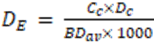
A real-life scenario is presented by exposure to chemical mixtures, facilitating the assessment of cumulative risk. The exposure assessment of an individual to melamine and cyromazine depends on the availability of food consumption and anthropometric data. Dietary exposure results from the product of the contaminant concentration in food with the amount of food consumed daily, and is usually normalised to body weight for a given individual. In this study, exposure assessment was computed according to the equation ofOyedeji et al. (2020) with slight modifications as follows:
Standard solutions (5,000 µg/ml) of the analytes were prepared by weighing and dissolving 5 mg standard in 5 ml HCOOH:H2O (50:50 v/v) and preserved at 4 oC. Working solutions were provided as standards by appropriate dilution when required.
Milk samples
Domestic and imported evaporated and infant milk samples for infants aged 0-12 months (totalling 182) were purchased from supermarkets and stores in Ogun state, Nigeria. These samples were manufactured between August 2021 and December 2022. On arrival in the laboratory, the samples were wrapped and labelled in sample bags and stored in the freezer until extracted to maintain their integrity.
Sample extraction and cleanup
The samples were extracted and cleaned with a modified method previously described by Srimathi et al. (2017). A 3 g sample was treated with 15 ml of 1% CCl3COOH and 5 ml of CH3CN in a centrifuge tube. The tubes were capped, sonicated for 10 min, and placed on a vertical shaker for another 10 min. The tubes were centrifuged for 10 min at 4,000 rpm. The supernatant was transferred to a 25 ml volumetric flask and brought to volume with 1% CCl3COOH prior to being filtered on acid-pretreated paper. In a glass tube, 5 ml of filtrate was placed, and 5 ml of H2O was added. A vortex mixer was applied to thoroughly mix it. The 10 ml sample solution (equivalent to 0.4 g) was loaded onto a C18 SPE cartridge that had previously been preconditioned with 3 and 5 ml MeOH and H2O, respectively. The entire effluent was discarded after a two-step wash with 3 ml of H2O, and the cartridge was dried for 5 min. Finally, 6 ml of 5% NH4OH in MeOH was used to elute the column. In a 45 °C water bath, the eluent was dried before filtering through a 0.45µm syringe filter, and the residue was re-suspended in a constant volume of 1 ml of the mobile phase.
Chromatographic conditions and method validation
The extracts were quantified using an Agilent HPLC (Agilent Technology 1,200 series) equipped with a Zorbax Eclipse plus C18 column (150×4.6 mm, 5 m particle size) from Agilent Technologies, Germany. Analysis was performed in the gradient mode at a flow rate of 0.5 ml/min using double-distilled water and acetonitrile (30:70) at an injection volume of 5 μl. Analytes were measured at 214 nm with a DAD. Retention time and peak area of the chromatograms of standards were utilized for analyte quantification. The method was validated as described by Oyedeji et al. (2021).
Estimation of dietary exposure and hazard index (HI)
A real-life scenario is presented by exposure to chemical mixtures, facilitating the assessment of cumulative risk. The exposure assessment of an individual to melamine and cyromazine depends on the availability of food consumption and anthropometric data. Dietary exposure results from the product of the contaminant concentration in food with the amount of food consumed daily, and is usually normalised to body weight for a given individual. In this study, exposure assessment was computed according to the equation ofOyedeji et al. (2020) with slight modifications as follows:
Eq.1
where, DE![]() : daily co-exposure of the two additives (μg/kg/day); Cc : concentration of the two additives (μg/kg); Dc : daily consumption of milk (g/day);BDav : average body weight (kg). The estimated daily milk consumption for different age categories (infants, males, and females) was obtained from the Centre for Disease Control (CDC) in the United States (CDC, 2022). Milk consumption in Nigeria for adults stands at 8 L (7,440 g) per day (Izuaka, 2021). The average body weights (97th percentile) of infants and adults in Nigeria are 10 and 70 kg, respectively (CDC, 2001; Oyedeji et al., 2020).
: daily co-exposure of the two additives (μg/kg/day); Cc : concentration of the two additives (μg/kg); Dc : daily consumption of milk (g/day);BDav : average body weight (kg). The estimated daily milk consumption for different age categories (infants, males, and females) was obtained from the Centre for Disease Control (CDC) in the United States (CDC, 2022). Milk consumption in Nigeria for adults stands at 8 L (7,440 g) per day (Izuaka, 2021). The average body weights (97th percentile) of infants and adults in Nigeria are 10 and 70 kg, respectively (CDC, 2001; Oyedeji et al., 2020).
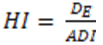
The Hazard Index (HI) values were computed using the following equation:
The Hazard Index (HI) values were computed using the following equation:
Eq. 2
where ADI is the acceptable daily intake (200 µg/kg body weight) for the two additives; HI<1=risk is considered acceptable; 1≤HI≤10=risk exists but does not require immediate action; HI>10=risk is considered unacceptable (Oyedeji et al., 2020).
Statistical analysis-Descriptive statistics
For data entry and descriptive statistics, Microsoft Excel was used, and statistical analysis was performed using Sigma Plot version 14 (Systat Software, USA).
Results
Selectivity, precision, accuracy, linearity, detection and quantification limits were determined using calibration curves obtained from least-squares linear regression analysis of peak area versus analyte concentration. The parameters of regression coefficients and linearity for melamine and cyromazine and external calibration are illustrated in Table 1.
For the studied concentration range, the linearity was greater than 0.98. The Limits of Detection (LOD) and Limits of Quantification (LOQ) are presented in Table 1. Recovery ranged between 99 and 102% for the two analytes at different spike levels, as demonstrated in Table 2.
Statistical analysis-Descriptive statistics
For data entry and descriptive statistics, Microsoft Excel was used, and statistical analysis was performed using Sigma Plot version 14 (Systat Software, USA).
Results
Selectivity, precision, accuracy, linearity, detection and quantification limits were determined using calibration curves obtained from least-squares linear regression analysis of peak area versus analyte concentration. The parameters of regression coefficients and linearity for melamine and cyromazine and external calibration are illustrated in Table 1.
For the studied concentration range, the linearity was greater than 0.98. The Limits of Detection (LOD) and Limits of Quantification (LOQ) are presented in Table 1. Recovery ranged between 99 and 102% for the two analytes at different spike levels, as demonstrated in Table 2.
Table 1: Quantification of melamine and cyromazine from calibration curves
| Parameters | Melamine | Cyromazine |
| Linear range (µg/ml) | 30-400 | 30-400 |
| Regression equation | y=16.5x+1.81 | y=75.76x+4.45 |
| R2 | 0.989 | 0.989 |
| LOD (µg/ml) | 1.48 | 1.29 |
| LOQ (µg/ml) | 4.52 | 3.94 |
Table 2: Accuracy of the recovery of the standard solution of melamine and cyromazine added to the samples
| Standard | Added conc. (µg/ml) | a Recovery(%) | RSD |
| Melamine | 25 | 102.5 | 0.97 |
| 50 | 99.5 | 0.48 | |
| 75 | 102.0 | 0.39 | |
| Cyromazine | 25 | 101.7 | 0.88 |
| 50 | 102.0 | 0.65 | |
| 75 | 101.9 | 0.89 |
RSD=Relative Standard Deviation
Precision was satisfactory since the Relative Standard Deviation (RSD) was <1 in all instances (Table 2). No interfering peaks were observed at retention times identical to those of melamine and cyromazine matrix blank and extracts of fortified samples.
The distribution of melamine and cyromazine in the different milk samples is displayed in Table 3. The concentrations of melamine (mean values) in decreasing order were from brands 2, 4, 3, and 1 to 5.
Notably, Brands 6, 8, and 10 from London, Holland, and Malaysia, respectively had no melamine, while Brands 7, 14,
and 15 from Holland and Nigeria had neither melamine nor cyromazine. The percentile values in Table 3 indicate the percentage of concentration below the maximum determined value for each analyte in the different brands. Brand 9 from Ghana had all-time high concentration values for melamine and cyromazine, besides Brand 2 from Holland, which surpassed in melamine.
The results of the daily exposure and HI of cyromazine and melamine in infant and evaporated milk samples are presented in Table 4.
The distribution of melamine and cyromazine in the different milk samples is displayed in Table 3. The concentrations of melamine (mean values) in decreasing order were from brands 2, 4, 3, and 1 to 5.
Notably, Brands 6, 8, and 10 from London, Holland, and Malaysia, respectively had no melamine, while Brands 7, 14,
and 15 from Holland and Nigeria had neither melamine nor cyromazine. The percentile values in Table 3 indicate the percentage of concentration below the maximum determined value for each analyte in the different brands. Brand 9 from Ghana had all-time high concentration values for melamine and cyromazine, besides Brand 2 from Holland, which surpassed in melamine.
The results of the daily exposure and HI of cyromazine and melamine in infant and evaporated milk samples are presented in Table 4.
Table 3: Description of melamine and cyromazine detected in infant, liquid, and evaporated milk samples
a Positive detection (detection frequency %).
* Infants aged 6-12 months.
Samples having 0 values were below the Limits of Detection (LOD) for the two additives.
| Melamine | Cyromazine | ||||||||||
| Country of origin | n (%)a | Content (µg/kg) | Content (µg/kg) | ||||||||
| Percentiles | Max | mean±SD | Percentiles | Max | mean±SD | ||||||
| 75th 95th | n(%) a | 75th 95th | |||||||||
| Brands Infant milk | |||||||||||
| 1 | Nigeria | 8(75.0) | 100.7 | 122.9 | 130.2 | 93.4±27.5 | 8(37.5) | 96.0 | 101.6 | 103.0 | 88.9±14.1 |
| 2 | Holland | 12(91.7) | 1148.5 | 1478.7 | 1,506.5 | 930.3±373.9 | 12(41.7) | 215.2 | 320.2 | 215.2 | 211.5±88.8 |
| 3 | France | 15(86.7) | 221.6 | 562.5 | 282.11 | 249.4±58.2 | 15(41.7) | 725.6 | 740.0 | 743.4 | 670.9±87.8 |
| 4 | Mexico | 5(60.0) | 298.8 | 314.1 | 317.9 | 262.3±66.0 | 5(20.0) | 553.6 | 570.6 | 574.8 | 532.3±60.1 |
| 5 | Netherland | 12(58.3) | 64.7 | 81.8 | 86.7 | 57.6±18.9 | 12(0) | 66.9 | 70.3 | 70.7 | 57.2±12.3 |
| Evaporated liquid milk | |||||||||||
| 6 | London | 8(25) | 0 | 0 | 0 | 0 | 8(25) | 52.3 | 52.7 | 52.8 | 51.7±1.7 |
| 7 | Holland | 8(0) | 0 | 0 | 0 | 0 | 0 | 0 | 0 | 0 | 0 |
| 8 | Holland | 6(33.3) | 0 | 0 | 0 | 0 | 6(33.3) | 50.0 | 50.1 | 50.6 | 49.4±1.8 |
| 9 | Ghana | 15(60) | 502 | 597.8 | 603.7 | 470.6±90.6 | 15(80) | 974.8 | 1,012.2 | 1,027 | 881.7±135.2 |
| 10 | Malaysia | 12(58.3) | 0 | 0 | 0 | 0 | 12(58.3) | 60.5 | 60.93 | 61.1 | 55.9±5.9 |
| Evaporated powder milk | |||||||||||
| 11 | Nigeria | 15(53.3) | 92.2 | 94.8 | 95.1 | 87.9±6.6 | 15(40) | 99.4 | 104.5 | 106 | 97.6±5.4 |
| 12 | Nigeria | 12(66.7) | 204.6 | 251.1 | 267.0 | 168.0±56.6 | 12(75.0) | 198.9 | 207.1 | 210.8 | 179.6±24.8 |
| 13 | Nigeria | 19(73.7) | 21.5 | 19.5 | 22.2 | 19.3.6±2.3 | 19(89.5) | 81.7 | 88.1 | 88.5 | 70.6±16.0 |
| 14 | Nigeria | 10(0) | 0 | 0 | 0 | 0 | 0 | 0 | 0 | 0 | 0 |
| 15 | Nigeria | 10(0) | 0 | 0 | 0 | 0 | 0 | 0 | 0 | 0 | 0 |
* Infants aged 6-12 months.
Samples having 0 values were below the Limits of Detection (LOD) for the two additives.
Table 4: Estimated Daily Exposure (DE) and the Hazard Index (HI) in different milk samples
| Milk brand | Gender | DE (µg/kg/bw) | HI |
| Newborn | |||
| 1 | Male | 37.17 | 0.186 |
| Female | 38.82 | 0.194 | |
| 2 | Male | 232.71 | 1.16 |
| Female | 243.09 | 1.22 | |
| 3 | Male | 187.62 | 0.938 |
| Female | 195.99 | 0.98 | |
| 5 | Male | 23.4 | 0.117 |
| Female | 24.45 | 0.122 | |
| Six months | |||
| 1 | Male | 22.05 | 0.11 |
| Female | 24.41 | 0.122 | |
| 2 | Male | 138.05 | 0.69 |
| Female | 152.8 | 0.764 | |
| 3 | Male | 111.3 | 0.557 |
| Female | 123.19 | 0.616 | |
| 4 | Male | 96.1 | 0.481 |
| Female | 106.36 | 0.532 | |
| 5 | Male | 13.88 | 0.069 |
| Female | 15.37 | 0.077 | |
| One year | |||
| 1 | Male | 32.0 | 0.16 |
| Female | 35.23 | 0.176 | |
| 2 | Male | 40.64 | 0.203 |
| Female | 44.33 | 0.222 | |
| 3 | Male | 32.77 | 0.164 |
| Female | 35.74 | 0.178 | |
| 4 | Male | 28.29 | 0.042 |
| Female | 30.86 | 0.154 | |
| 5 | Male | 4.09 | 0.021 |
| Female | 4.46 | 0.022 | |
| Evaporated liquid and powder milk | Adults | ||
| 6 | 5.5 | 0.028 | |
| 8 | 5.25 | 0.026 | |
| 9 | 143.73 | 0.719 | |
| 10 | 5.941 | 0.03 | |
| 11 | 19.716 | 0.099 | |
| 12 | 36.945 | 0.185 | |
| 13 | 9.555 | 0.048 | |
The estimation failed to consider the differential in milk consumption between male and female infants. Among the infant milk samples, with no need for immediate action, brand 2 presented the highest HI for both the male and female infants with HI>1. Additionally, the HI for brand 3 is very close to unity and therefore requires accurate monitoring. The HI for the various milk samples reduces with an increase in the age of infants since this comes with a reduction in milk consumption. Notably, females are exposed to higher HI from milk consumption due to their reduced weight in comparison with male infants, although male infants are noted for higher milk consumption. The evaporated liquid and powder milk samples had HI<1, and hence fail to pose any risk while the milk consumption of an adult Nigerian (8 L/day) is lower than the world’s average.
Discussion
The mean values obtained in this study and for the samples were generally below the 2,500 and 1,000 µg/kg safety limits for melamine infant formula in the USA and European :union: (EU), respectively (Song et al., 2015; Wang et al., 2017; You et al., 2007). However, disturbing levels of melamine were detected in brand 2 at a maximum residue concentration of 1,506.5 µg/kg; and the 75 and 95th percentile values were beyond the acceptable limit for melamine as well. More worrisome lies in the fact that 91.7% of brand 2 imported samples contained melamine. These results are reminiscent of the withdrawal of milk products from Singapore, Macau and Hong Kong in 2008. The products are not entirely produced by FrieslandFoods, but by a Chinese company in which it has stakes (DutchNews, 2008). Milk-producing companies in Holland must implement requirements to test each raw materials and products to guarantee that they are not contaminated with melamine.
The concentration of melamine and cyromazine should be a source of concern for the regulatory authorities because their hydrolysis products are identical and pose severe health challenges for consumers. The other samples, except brands 1 and 5 had a mean melamine concentration above the 250 µg/kg set by the US Food and Drug Administration (FDA) in milk and dairy products (Momtaz et al., 2023). Brand 3 had 282.11 µg/kg cryromazine, and it is higher than the safety limit. Whole evaporated full cream milk, brands 6 (London), 7 (Holland), 8 (Holland), and 10 (Malaysia) had minimal concentrations of melamine less than the LOD, whereas brand 9 (Ghana) had a higher concentration than the safety limit recommended at 470.6 µg/kg.
The presence of melamine and cyromazine at concentrations observed in this study is not from intentional contamination, but a carry-over from the use of materials containing melamine. In addition, melamine has been detected in milk products due to transfer from feeds, particularly when milk is collected from lactating cows fed with melamine-tainted feeds in less than 8 h after feed consumption (Lad and Aparnathi, 2017). However, it must be stressed that co-exposure to both melamine and cyromazine at the concentration found in the samples becomes worrisome. This case is because the consumption of melamine above 50 µg/kg in the presence of cyromazine presents a greater health risk (Andersen et al., 2011).
In a recent study to survey the incidence of melamine in infant powder milk products from Harbin, China, 1.3 ng/g was detected in one of the five samples tested, suggesting compliance with the acceptable Maximum Residue Limit (MRL) (Wang et al., 2017). In another study, 40% of infant food formulas investigated in Zanjan, Iran for melamine, they had the additive above the acceptable MRL for countries in the EU, China, Australia, New Zealand, and Canada. Foods containing the prohibited additive were suggested to be removed from the shelves to safeguard public health (Poorjafari et al., 2015). In a similar fashion, Maleki et al. (2018) reported that 65% of the 69 infant milk samples available in Iranian markets had melamine between the amounts of 730 and 3,630 µg/kg. The results of their study were in line with the acquired outcomes of present study, although the presence of cyromazine along with melamine was not determined. Melamine was similarly reported in infant formula from Albany, New York, in 2018, in a concentration range of 2.70 to 6.28 µg/kg, respectively. Their results are lower than the current study's concequences, it has however been the focus of regulatory attention (Zhu and Kannan, 2019). A study by Viñas et al. (2012) on melamine adulteration in milk samples from Spain failed to declare the presence of this additive, thus suggesting compliance. It is ragarded imperative for importers of infant formula to assess their imports for prohibited additives for international food safety, as observed in this study and those from Iran that presented a similar scenario with respect to imported infant milk products.
Conclusions
All of the imported infant milk samples possessed both melamine and cyromazine at unacceptable concentrations without any hazard to the consumers. The made sample in the Netherlands had the slightest amount of the two additives. Among the infant milk samples, only Brand 2 presented a risk to newborns because of its HI of greater than 1. The milk samples pose no risk to the consuming adults. It is concluded that food fraud might be at play because imported infant milk had unacceptable levels of prohibited additives. Monitoring of melamine and cyromazine contamination of foods is crucial and should be included in the list of routine additives ordinarily tested. Food and agricultural agencies are, however, encouraged to step up their surveillance activities to forestall the inclusion of additives and protect public health.
Author contributions
A.O.O. conceptualized, designed, collected the samples and prepared the draft manuscript for the study; A.O.O. and B.A.O. performed the experimental work; L.A.A. prepared the final manuscript. All authors read and approved the final manuscript.
Conflicts of interest
The authors declare no conflict of interest
Acknowledgements
This study did not receive any specific grant from funding agencies in the public, commercial, or not-for-profit sectors
Ethical consideration
Not applicable in this work.
Funding
This study was not funded by any agency of government.
References
Discussion
The mean values obtained in this study and for the samples were generally below the 2,500 and 1,000 µg/kg safety limits for melamine infant formula in the USA and European :union: (EU), respectively (Song et al., 2015; Wang et al., 2017; You et al., 2007). However, disturbing levels of melamine were detected in brand 2 at a maximum residue concentration of 1,506.5 µg/kg; and the 75 and 95th percentile values were beyond the acceptable limit for melamine as well. More worrisome lies in the fact that 91.7% of brand 2 imported samples contained melamine. These results are reminiscent of the withdrawal of milk products from Singapore, Macau and Hong Kong in 2008. The products are not entirely produced by FrieslandFoods, but by a Chinese company in which it has stakes (DutchNews, 2008). Milk-producing companies in Holland must implement requirements to test each raw materials and products to guarantee that they are not contaminated with melamine.
The concentration of melamine and cyromazine should be a source of concern for the regulatory authorities because their hydrolysis products are identical and pose severe health challenges for consumers. The other samples, except brands 1 and 5 had a mean melamine concentration above the 250 µg/kg set by the US Food and Drug Administration (FDA) in milk and dairy products (Momtaz et al., 2023). Brand 3 had 282.11 µg/kg cryromazine, and it is higher than the safety limit. Whole evaporated full cream milk, brands 6 (London), 7 (Holland), 8 (Holland), and 10 (Malaysia) had minimal concentrations of melamine less than the LOD, whereas brand 9 (Ghana) had a higher concentration than the safety limit recommended at 470.6 µg/kg.
The presence of melamine and cyromazine at concentrations observed in this study is not from intentional contamination, but a carry-over from the use of materials containing melamine. In addition, melamine has been detected in milk products due to transfer from feeds, particularly when milk is collected from lactating cows fed with melamine-tainted feeds in less than 8 h after feed consumption (Lad and Aparnathi, 2017). However, it must be stressed that co-exposure to both melamine and cyromazine at the concentration found in the samples becomes worrisome. This case is because the consumption of melamine above 50 µg/kg in the presence of cyromazine presents a greater health risk (Andersen et al., 2011).
In a recent study to survey the incidence of melamine in infant powder milk products from Harbin, China, 1.3 ng/g was detected in one of the five samples tested, suggesting compliance with the acceptable Maximum Residue Limit (MRL) (Wang et al., 2017). In another study, 40% of infant food formulas investigated in Zanjan, Iran for melamine, they had the additive above the acceptable MRL for countries in the EU, China, Australia, New Zealand, and Canada. Foods containing the prohibited additive were suggested to be removed from the shelves to safeguard public health (Poorjafari et al., 2015). In a similar fashion, Maleki et al. (2018) reported that 65% of the 69 infant milk samples available in Iranian markets had melamine between the amounts of 730 and 3,630 µg/kg. The results of their study were in line with the acquired outcomes of present study, although the presence of cyromazine along with melamine was not determined. Melamine was similarly reported in infant formula from Albany, New York, in 2018, in a concentration range of 2.70 to 6.28 µg/kg, respectively. Their results are lower than the current study's concequences, it has however been the focus of regulatory attention (Zhu and Kannan, 2019). A study by Viñas et al. (2012) on melamine adulteration in milk samples from Spain failed to declare the presence of this additive, thus suggesting compliance. It is ragarded imperative for importers of infant formula to assess their imports for prohibited additives for international food safety, as observed in this study and those from Iran that presented a similar scenario with respect to imported infant milk products.
Conclusions
All of the imported infant milk samples possessed both melamine and cyromazine at unacceptable concentrations without any hazard to the consumers. The made sample in the Netherlands had the slightest amount of the two additives. Among the infant milk samples, only Brand 2 presented a risk to newborns because of its HI of greater than 1. The milk samples pose no risk to the consuming adults. It is concluded that food fraud might be at play because imported infant milk had unacceptable levels of prohibited additives. Monitoring of melamine and cyromazine contamination of foods is crucial and should be included in the list of routine additives ordinarily tested. Food and agricultural agencies are, however, encouraged to step up their surveillance activities to forestall the inclusion of additives and protect public health.
Author contributions
A.O.O. conceptualized, designed, collected the samples and prepared the draft manuscript for the study; A.O.O. and B.A.O. performed the experimental work; L.A.A. prepared the final manuscript. All authors read and approved the final manuscript.
Conflicts of interest
The authors declare no conflict of interest
Acknowledgements
This study did not receive any specific grant from funding agencies in the public, commercial, or not-for-profit sectors
Ethical consideration
Not applicable in this work.
Funding
This study was not funded by any agency of government.
References
Abedini R., Jahed Khaniki G., Molaee Aghaee E., Sadighara P., Nazmara S., Akbari-Adergani B., Naderi M. (2021). Determination of melamine contamination in chocolates containing powdered milk by high-performance liquid chromatography (HPLC). Journal of Environmental Health Science and Engineering. 19: 165-171. [DOI: 10.1007/s40201-020-00590-w]
Abernethy G., Higgs K. (2013). Detection of 3-amino-1,2,4-triazine adulteration in milk using an oxidation product 3-amino-1,2,4-triazin-5(2H)-one. Journal of Chromatography A. 1285: 165-167. [DOI: 10.1016/ j.chroma.2013.02.021]
Andersen W.C., Turnipseed S.B., Karbiwnyk C.M., Evans E., Hasbrouck N., Mayer T.D., Gieseker C.M., Nochetto C., Stine C.B., Reimschuessel R. (2011). Bioaccumulation of melamine in catfish muscle following continuous, low-dose, oral administration. Journal of Agricultural and Food Chemistry. 59: 3111-3117. [DOI: 10.1021/jf104385d]
Botelho B.G., Reis N., Oliveira L.S., Sena M.M. (2015). Development and analytical validation of a screening method for simultaneous detection of five adulterants in raw milk using mid-infrared spectroscopy and PLS-DA. Food Chemistry. 181: 31-37. [DOI: 10.1016/j.foodchem.2015.02.077]
Abernethy G., Higgs K. (2013). Detection of 3-amino-1,2,4-triazine adulteration in milk using an oxidation product 3-amino-1,2,4-triazin-5(2H)-one. Journal of Chromatography A. 1285: 165-167. [DOI: 10.1016/ j.chroma.2013.02.021]
Andersen W.C., Turnipseed S.B., Karbiwnyk C.M., Evans E., Hasbrouck N., Mayer T.D., Gieseker C.M., Nochetto C., Stine C.B., Reimschuessel R. (2011). Bioaccumulation of melamine in catfish muscle following continuous, low-dose, oral administration. Journal of Agricultural and Food Chemistry. 59: 3111-3117. [DOI: 10.1021/jf104385d]
Botelho B.G., Reis N., Oliveira L.S., Sena M.M. (2015). Development and analytical validation of a screening method for simultaneous detection of five adulterants in raw milk using mid-infrared spectroscopy and PLS-DA. Food Chemistry. 181: 31-37. [DOI: 10.1016/j.foodchem.2015.02.077]
Centre for Disease Control and Prevention (CDC). (2001). Data table of infant weight-for-age charts. URL: https://www.cdc.gov/ growthcharts/html_charts/wtageinf.htm. Accessed 20 September 2022.
Centre for Disease Control and Prevention (CDC). (2022). How much and how often to feed infant formula. URL: https://www.cdc.gov/nutrition/infantandtoddlernutrition/formula-feeding/how-much-how-often.html#:~:text=You%20can%20start%20by%20offering,12%20times%20in%2024%20hours. Accessed 20 September 2022.
Dorne J.L., Doerge D.R., Vandenbroeck M., Fink-Gremmels J., Mennes W., Knutsen H.K., Vernazza F., Castle L., Edler L., Benford D. (2013). Recent advances in the risk assessment of melamine and cyanuric acid in animal feed. Toxicology and Applied Pharmacology. 270: 218-229. [DOI: 10.1016/j.taap.2012.01.012]
DutchNews. (2008). Friesland Foods withdraws milk products. URL: https://www.dutchnews.nl/2008/09/friesland_foods_withdraws_milk. Accessed 10 January 2024.
Food and Agriculture Organisation (FAO). (2008). Overview: melamine contamination of dairy products in China. URL: https://www. fao.org/food/food-safety-quality/a-z-index/melamine/en/. Accessed 30 September 2022.
García M.Á., Santaeufemia M., Melgar M.J. (2012). Triazine residues in raw milk and infant formulas from Spanish Northwest, by a diphasic dialysis extraction. Food and Chemical Toxicology. 50: 503-510. [DOI: 10.1016/ j.fct.2011.11.019]
Guo J., Wu C., Zhang J., Chang X., Zhang Y., Cao Y., Zhou Z. (2020). Associations of melamine and cyanuric acid exposure with markers of kidney function in adults: results from NHANES.2003–2004. Environment International. 141: 105815. [DOI: 10.1016/j.envint.2020.105815]
Guo Z., Cheng Z., Li R., Chen L., Lv H., Zhao B., Choo J. (2014). One-step detection of melamine in milk by hollow gold chip based on surface-enhanced Raman scattering. Talanta. 122: 80-84. [DOI: 10.1016/ j.talanta.2014.01.043]
Huang M., Kim M.S., Delwiche S.R., Chao K., Qin J., Mo C., Esquerre C., Zhu Q. (2016). Quantitative analysis of melamine in milk powders using near-infrared hyperspectral imaging and band ratio. Journal of Food Engineering. 181: 10-19. [DOI: 10.1016/j. jfoodeng.2016.02.017]
Guo J., Wu C., Zhang J., Chang X., Zhang Y., Cao Y., Zhou Z. (2020). Associations of melamine and cyanuric acid exposure with markers of kidney function in adults: results from NHANES.2003–2004. Environment International. 141: 105815. [DOI: 10.1016/j.envint.2020.105815]
Guo Z., Cheng Z., Li R., Chen L., Lv H., Zhao B., Choo J. (2014). One-step detection of melamine in milk by hollow gold chip based on surface-enhanced Raman scattering. Talanta. 122: 80-84. [DOI: 10.1016/ j.talanta.2014.01.043]
Huang M., Kim M.S., Delwiche S.R., Chao K., Qin J., Mo C., Esquerre C., Zhu Q. (2016). Quantitative analysis of melamine in milk powders using near-infrared hyperspectral imaging and band ratio. Journal of Food Engineering. 181: 10-19. [DOI: 10.1016/j. jfoodeng.2016.02.017]
Ionescu A.-D., Cîrîc A.I., Begea M. (2023). A review of milk frauds and adulterations from a technological perspective. Applied Sciences. 13: 9821. [DOI: 10.3390/app13179821]
Izuaka M. (2021). 60% of dairy products consumed in Nigeria imported. Premiumtimes, Nigeria. URL: https://www. premiumtimesng.com/ news/more-news/452244-60-of-dairy-products-consumed-in-nigeria-imported-minister.htmlml. Accessed 27 August 2021.
Kunzelmann M., Winter M., Åberg M., Hellenäs K.-E., Rosén J. (2018). Non-targeted analysis of unexpected food contaminants using LC-HRMS. Analytical and Bioanalytical Chemistry. 410: 5593-5602. [DOI: 10.1007/s00216-018-1028-4]
Lad S.S., Aparnathi K.D. (2017). Melamine: a monster in the milk. International Journal of Current Microbiology and Applied Sciences.6: 876-882. [DOI: 10.20546/ijcmas. 2017.604.110]
Lim J., Kim G., Mo C., Kim M.S., Chao K., Qin J., Fu X., Baek I., Cho B-K. (2016). Detection of melamine in milk powders using near-infrared hyperspectral imaging combined with regression coefficient of partial least square regression model. Talanta. 151: 183-191. [DOI: 10.1016/j.talanta.2016.01.035]
Maleki J., Nazari F., Yousefi J., Khosrokhavar R., Hosseini M.-J. (2018). Determinations of melamine residue in infant formula brands available in Iran market by HPLC method. Iranian Journal of Pharmaceutical Research. 17: 563-570.
Melough M.M., Foster D., Fretts A.M., Sathyanarayana S. (2020). Dietary sources of melamine exposure among US children and adults in the national health and nutrition examination survey 2003–2004. Nutrients. 12: 3844. [DOI: 10.3390/nu12123844]
Kunzelmann M., Winter M., Åberg M., Hellenäs K.-E., Rosén J. (2018). Non-targeted analysis of unexpected food contaminants using LC-HRMS. Analytical and Bioanalytical Chemistry. 410: 5593-5602. [DOI: 10.1007/s00216-018-1028-4]
Lad S.S., Aparnathi K.D. (2017). Melamine: a monster in the milk. International Journal of Current Microbiology and Applied Sciences.6: 876-882. [DOI: 10.20546/ijcmas. 2017.604.110]
Lim J., Kim G., Mo C., Kim M.S., Chao K., Qin J., Fu X., Baek I., Cho B-K. (2016). Detection of melamine in milk powders using near-infrared hyperspectral imaging combined with regression coefficient of partial least square regression model. Talanta. 151: 183-191. [DOI: 10.1016/j.talanta.2016.01.035]
Maleki J., Nazari F., Yousefi J., Khosrokhavar R., Hosseini M.-J. (2018). Determinations of melamine residue in infant formula brands available in Iran market by HPLC method. Iranian Journal of Pharmaceutical Research. 17: 563-570.
Melough M.M., Foster D., Fretts A.M., Sathyanarayana S. (2020). Dietary sources of melamine exposure among US children and adults in the national health and nutrition examination survey 2003–2004. Nutrients. 12: 3844. [DOI: 10.3390/nu12123844]
Momtaz M., Bubli S.Y., Khan M.S. (2023). Mechanisms and health aspects of food adulteration: a comprehensive review. Foods. 12: 199. [DOI: 10.3390/foods12010199]
Nasution A.M.T., Suyanto H. (2022). Infrared spectroscopy for detecting adulterants in food and traditional Indonesian herbal medicine. In: El-Azazy M., Al-Saad K., El-Shafie A. (Editors). Infrared spectroscopy - perspectives and applications. IntechOpen, London, United Kingdom. [DOI: 10.5772/intechopen.106803]
Oyedeji A.O., Azeez L., Odeyemi B.A. (2021). Quantification of cyromazine and melamine in fish and poultry feeds by high performance liquid chromatography – diode array detection. Journal of Chemical Society of Nigeria. 46: 0444-0453. [DOI: 10.46602/ jcsn.v46i3.620]
Oyedeji A.O., Msagati T.A.M., Williams A.B., Benson N.U. (2020). Solid-phase extraction and high performance liquid chromatography with diode array detection method for the determination of antibiotic residues in poultry tissues. Chemical Data Collections. 25: 100312. [DOI: 10.1016/j.cdc.2019.100312]
Poorjafari N., Zamani A., Mohseni M., Parizanganeh A. (2015). Assessment of residue melamine in dairy products exhibited in Zanjan market, Iran by high-performance liquid chromatography method. International Journal of Environmental Science and Technology. 12: 1003-1010. [DOI: 10.1007/s13762-014-0707-8]
Qin X., Jiang Y., Wang Z., Man C., Fu S., Chen S., Yang X., Yang T., Zhang D., Li L., Fox E.M.,Wei Z. (2020). The migration of acetochlor from feed to milk. RSC Advances. 10: 44344-44351. [DOI: 10.1039/ D0RA06895K]
Sathyanarayana S., Flynn J.T., Messito M.J., Gross R., Whitlock K.B., Kannan K., Karthikraj R., Morrison D., Huie M., Christakis D., Trasande L. (2019). Melamine and cyanuric acid exposure and kidney injury in US children. Environmental Research. 171: 18-23. [DOI: 10.1016/j.envres.2018.10.038]
Shi X., Dong R., Chen J., Yuan Y., Long Q., Guo J., Li S., Chen B. (2020). An assessment of melamine exposure in Shanghai adults and its association with food consumption. Environment International. 135: 105363. [DOI: 10.1016/j.envint.2019.105363]
Song J., Wu F., Wan Y., Ma L. (2015). Colorimetric detection of melamine in pretreated milk using silver nanoparticles functionalized with sulfanilic acid. Food Control. 50: 356-361. [DOI: 10.1016/j.foodcont. 2014.08.049]
Srimathi R., Priya D., Shantha K.B. (2017). Determination of melamine in India milk and dairy products by reverse phase liquid chromatography. Research Journal of Pharmacy and Technology. 10: 4269-4272. [DOI: 10.5958/0974-360X.2017.00782.X]
Viñas P., Campillo N., Férez-Melgarejo G., Hernández-Córdoba M. (2012). Determination of melamine and derivatives in foods by liquid chromatography coupled to atmospheric pressure chemical ionization mass spectrometry and diode array detection. Analytical Letters. 45: 2508-2518. [DOI: 10.1080/00032719. 2012.694941]
Wang Y., Gao L., Qin D., Chen L. (2017). Analysis of melamine in milk powder by CNT-MIP with matrix solid phase dispersion and LC-MS/MS. Food Analytical Methods. 10: 1386-1396. [DOI: 10.1007/s12161-016-0705-1]
Yang R., Horstman K., Penders B. (2022). Stakeholder perspectives on infant formula safety governance in China: a decade after the melamine crisis. Food, Culture and Society. 25: 70-88. [DOI: 10.1080/15528014. 2021.1884410]
You J., Zhang H., Zhang H., Yu A., Xiao T., Wang Y., Song D. (2007). Determination of triazines in infant nutrient cereal-based foods by pressurized microwave-assisted extraction coupled with high-performance liquid chromatography–mass spectrometry. Journal of Chromatography B. 856: 278-284. [DOI: 10.1016/j. jchromb. 2007.06.012]
Zhu H., Kannan K. (2019). Melamine and cyanuric acid in foodstuffs from the United States and their implications for human exposure. Environment International. 130: 104950. [DOI: 10.1016/j. envint.2019.104950]
Oyedeji A.O., Azeez L., Odeyemi B.A. (2021). Quantification of cyromazine and melamine in fish and poultry feeds by high performance liquid chromatography – diode array detection. Journal of Chemical Society of Nigeria. 46: 0444-0453. [DOI: 10.46602/ jcsn.v46i3.620]
Oyedeji A.O., Msagati T.A.M., Williams A.B., Benson N.U. (2020). Solid-phase extraction and high performance liquid chromatography with diode array detection method for the determination of antibiotic residues in poultry tissues. Chemical Data Collections. 25: 100312. [DOI: 10.1016/j.cdc.2019.100312]
Poorjafari N., Zamani A., Mohseni M., Parizanganeh A. (2015). Assessment of residue melamine in dairy products exhibited in Zanjan market, Iran by high-performance liquid chromatography method. International Journal of Environmental Science and Technology. 12: 1003-1010. [DOI: 10.1007/s13762-014-0707-8]
Qin X., Jiang Y., Wang Z., Man C., Fu S., Chen S., Yang X., Yang T., Zhang D., Li L., Fox E.M.,Wei Z. (2020). The migration of acetochlor from feed to milk. RSC Advances. 10: 44344-44351. [DOI: 10.1039/ D0RA06895K]
Sathyanarayana S., Flynn J.T., Messito M.J., Gross R., Whitlock K.B., Kannan K., Karthikraj R., Morrison D., Huie M., Christakis D., Trasande L. (2019). Melamine and cyanuric acid exposure and kidney injury in US children. Environmental Research. 171: 18-23. [DOI: 10.1016/j.envres.2018.10.038]
Shi X., Dong R., Chen J., Yuan Y., Long Q., Guo J., Li S., Chen B. (2020). An assessment of melamine exposure in Shanghai adults and its association with food consumption. Environment International. 135: 105363. [DOI: 10.1016/j.envint.2019.105363]
Song J., Wu F., Wan Y., Ma L. (2015). Colorimetric detection of melamine in pretreated milk using silver nanoparticles functionalized with sulfanilic acid. Food Control. 50: 356-361. [DOI: 10.1016/j.foodcont. 2014.08.049]
Srimathi R., Priya D., Shantha K.B. (2017). Determination of melamine in India milk and dairy products by reverse phase liquid chromatography. Research Journal of Pharmacy and Technology. 10: 4269-4272. [DOI: 10.5958/0974-360X.2017.00782.X]
Viñas P., Campillo N., Férez-Melgarejo G., Hernández-Córdoba M. (2012). Determination of melamine and derivatives in foods by liquid chromatography coupled to atmospheric pressure chemical ionization mass spectrometry and diode array detection. Analytical Letters. 45: 2508-2518. [DOI: 10.1080/00032719. 2012.694941]
Wang Y., Gao L., Qin D., Chen L. (2017). Analysis of melamine in milk powder by CNT-MIP with matrix solid phase dispersion and LC-MS/MS. Food Analytical Methods. 10: 1386-1396. [DOI: 10.1007/s12161-016-0705-1]
Yang R., Horstman K., Penders B. (2022). Stakeholder perspectives on infant formula safety governance in China: a decade after the melamine crisis. Food, Culture and Society. 25: 70-88. [DOI: 10.1080/15528014. 2021.1884410]
You J., Zhang H., Zhang H., Yu A., Xiao T., Wang Y., Song D. (2007). Determination of triazines in infant nutrient cereal-based foods by pressurized microwave-assisted extraction coupled with high-performance liquid chromatography–mass spectrometry. Journal of Chromatography B. 856: 278-284. [DOI: 10.1016/j. jchromb. 2007.06.012]
Zhu H., Kannan K. (2019). Melamine and cyanuric acid in foodstuffs from the United States and their implications for human exposure. Environment International. 130: 104950. [DOI: 10.1016/j. envint.2019.104950]
* Corresponding author (A.O. Oyedeji)
* E-mail: olalekan.oyedeji@federalpolyilaro.edu.ng
ORCID ID: http://orcid.org/0000-0003-1592-3409
* E-mail: olalekan.oyedeji@federalpolyilaro.edu.ng
ORCID ID: http://orcid.org/0000-0003-1592-3409
Type of Study: Original article |
Subject:
Special
Received: 23/01/20 | Accepted: 23/12/30 | Published: 24/03/26
Received: 23/01/20 | Accepted: 23/12/30 | Published: 24/03/26
References
1. Abedini R., Jahed Khaniki G., Molaee Aghaee E., Sadighara P., Nazmara S., Akbari-Adergani B., Naderi M. (2021). Determination of melamine contamination in chocolates containing powdered milk by high-performance liquid chromatography (HPLC). Journal of Environmental Health Science and Engineering. 19: 165-171. [DOI: 10.1007/s40201-020-00590-w] [DOI:10.1007/s40201-020-00590-w] [PMID] [PMCID]
2. Abernethy G., Higgs K. (2013). Detection of 3-amino-1,2,4-triazine adulteration in milk using an oxidation product 3-amino-1,2,4-triazin-5(2H)-one. Journal of Chromatography A. 1285: 165-167. [DOI: 10.1016/ j.chroma.2013.02.021] [DOI:10.1016/j.chroma.2013.02.021] [PMID]
3. Andersen W.C., Turnipseed S.B., Karbiwnyk C.M., Evans E., Hasbrouck N., Mayer T.D., Gieseker C.M., Nochetto C., Stine C.B., Reimschuessel R. (2011). Bioaccumulation of melamine in catfish muscle following continuous, low-dose, oral administration. Journal of Agricultural and Food Chemistry. 59: 3111-3117. [DOI: 10.1021/jf104385d] [DOI:10.1021/jf104385d] [PMID]
4. Botelho B.G., Reis N., Oliveira L.S., Sena M.M. (2015). Development and analytical validation of a screening method for simultaneous detection of five adulterants in raw milk using mid-infrared spectroscopy and PLS-DA. Food Chemistry. 181: 31-37. [DOI: 10.1016/j.foodchem.2015.02.077] [DOI:10.1016/j.foodchem.2015.02.077] [PMID]
5. Centre for Disease Control and Prevention (CDC). (2001). Data table of infant weight-for-age charts. URL: https://www.cdc.gov/ growthcharts/html_charts/wtageinf.htm. Accessed 20 September 2022.
6. Centre for Disease Control and Prevention (CDC). (2022). How much and how often to feed infant formula. URL: https://www.cdc.gov/nutrition/infantandtoddlernutrition/formula-feeding/how-much-how-often.html#:~:text=You%20can%20start%20by%20offering,12%20times%20in%2024%20hours. Accessed 20 September 2022.
7. Dorne J.L., Doerge D.R., Vandenbroeck M., Fink-Gremmels J., Mennes W., Knutsen H.K., Vernazza F., Castle L., Edler L., Benford D. (2013). Recent advances in the risk assessment of melamine and cyanuric acid in animal feed. Toxicology and Applied Pharmacology. 270: 218-229. [DOI: 10.1016/j.taap.2012.01.012] [DOI:10.1016/j.taap.2012.01.012] [PMID]
8. DutchNews. (2008). Friesland Foods withdraws milk products. URL: https://www.dutchnews.nl/2008/09/friesland_foods_withdraws_milk. Accessed 10 January 2024.
9. Food and Agriculture Organisation (FAO). (2008). Overview: melamine contamination of dairy products in China. URL: https://www. fao.org/food/food-safety-quality/a-z-index/melamine/en/. Accessed 30 September 2022.
10. García M.Á., Santaeufemia M., Melgar M.J. (2012). Triazine residues in raw milk and infant formulas from Spanish Northwest, by a diphasic dialysis extraction. Food and Chemical Toxicology. 50: 503-510. [DOI: 10.1016/ j.fct.2011.11.019] [DOI:10.1016/j.fct.2011.11.019] [PMID]
11. Guo J., Wu C., Zhang J., Chang X., Zhang Y., Cao Y., Zhou Z. (2020). Associations of melamine and cyanuric acid exposure with markers of kidney function in adults: results from NHANES.2003-2004. Environment International. 141: 105815. [DOI: 10.1016/j.envint.2020.105815] [DOI:10.1016/j.envint.2020.105815] [PMID]
12. Guo Z., Cheng Z., Li R., Chen L., Lv H., Zhao B., Choo J. (2014). One-step detection of melamine in milk by hollow gold chip based on surface-enhanced Raman scattering. Talanta. 122: 80-84. [DOI: 10.1016/ j.talanta.2014.01.043] [DOI:10.1016/j.talanta.2014.01.043]
13. Huang M., Kim M.S., Delwiche S.R., Chao K., Qin J., Mo C., Esquerre C., Zhu Q. (2016). Quantitative analysis of melamine in milk powders using near-infrared hyperspectral imaging and band ratio. Journal of Food Engineering. 181: 10-19. [DOI: 10.1016/j. jfoodeng.2016.02.017] [DOI:10.1016/j.jfoodeng.2016.02.017]
14. Ionescu A.-D., Cîrîc A.I., Begea M. (2023). A review of milk frauds and adulterations from a technological perspective. Applied Sciences. 13: 9821. [DOI: 10.3390/app13179821] [DOI:10.3390/app13179821]
15. Izuaka M. (2021). 60% of dairy products consumed in Nigeria imported. Premiumtimes, Nigeria. URL: https://www. premiumtimesng.com/ news/more-news/452244-60-of-dairy-products-consumed-in-nigeria-imported-minister.htmlml. Accessed 27 August 2021.
16. Kunzelmann M., Winter M., Åberg M., Hellenäs K.-E., Rosén J. (2018). Non-targeted analysis of unexpected food contaminants using LC-HRMS. Analytical and Bioanalytical Chemistry. 410: 5593-5602. [DOI: 10.1007/s00216-018-1028-4] [DOI:10.1007/s00216-018-1028-4] [PMID] [PMCID]
17. Lad S.S., Aparnathi K.D. (2017). Melamine: a monster in the milk. International Journal of Current Microbiology and Applied Sciences.6: 876-882. [DOI: 10.20546/ijcmas. 2017.604.110] [DOI:10.20546/ijcmas]
18. Lim J., Kim G., Mo C., Kim M.S., Chao K., Qin J., Fu X., Baek I., Cho B-K. (2016). Detection of melamine in milk powders using near-infrared hyperspectral imaging combined with regression coefficient of partial least square regression model. Talanta. 151: 183-191. [DOI: 10.1016/j.talanta.2016.01.035] [DOI:10.1016/j.talanta.2016.01.035] [PMID]
19. Maleki J., Nazari F., Yousefi J., Khosrokhavar R., Hosseini M.-J. (2018). Determinations of melamine residue in infant formula brands available in Iran market by HPLC method. Iranian Journal of Pharmaceutical Research. 17: 563-570.
20. Melough M.M., Foster D., Fretts A.M., Sathyanarayana S. (2020). Dietary sources of melamine exposure among US children and adults in the national health and nutrition examination survey 2003-2004. Nutrients. 12: 3844. [DOI: 10.3390/nu12123844] [DOI:10.3390/nu12123844] [PMID] [PMCID]
21. Momtaz M., Bubli S.Y., Khan M.S. (2023). Mechanisms and health aspects of food adulteration: a comprehensive review. Foods. 12: 199. [DOI: 10.3390/foods12010199] [DOI:10.3390/foods12010199] [PMID] [PMCID]
22. Nasution A.M.T., Suyanto H. (2022). Infrared spectroscopy for detecting adulterants in food and traditional Indonesian herbal medicine. In: El-Azazy M., Al-Saad K., El-Shafie A. (Editors). Infrared spectroscopy - perspectives and applications. IntechOpen, London, United Kingdom. [DOI: 10.5772/intechopen.106803] [DOI:10.5772/intechopen.106803]
23. Oyedeji A.O., Azeez L., Odeyemi B.A. (2021). Quantification of cyromazine and melamine in fish and poultry feeds by high performance liquid chromatography - diode array detection. Journal of Chemical Society of Nigeria. 46: 0444-0453. [DOI: 10.46602/ jcsn.v46i3.620] [DOI:10.46602/jcsn.v46i3.620]
24. Oyedeji A.O., Msagati T.A.M., Williams A.B., Benson N.U. (2020). Solid-phase extraction and high performance liquid chromatography with diode array detection method for the determination of antibiotic residues in poultry tissues. Chemical Data Collections. 25: 100312. [DOI: 10.1016/j.cdc.2019.100312] [DOI:10.1016/j.cdc.2019.100312]
25. Poorjafari N., Zamani A., Mohseni M., Parizanganeh A. (2015). Assessment of residue melamine in dairy products exhibited in Zanjan market, Iran by high-performance liquid chromatography method. International Journal of Environmental Science and Technology. 12: 1003-1010. [DOI: 10.1007/s13762-014-0707-8] [DOI:10.1007/s13762-014-0707-8]
26. Qin X., Jiang Y., Wang Z., Man C., Fu S., Chen S., Yang X., Yang T., Zhang D., Li L., Fox E.M.,Wei Z. (2020). The migration of acetochlor from feed to milk. RSC Advances. 10: 44344-44351. [DOI: 10.1039/ D0RA06895K] [DOI:10.1039/D0RA06895K]
27. Sathyanarayana S., Flynn J.T., Messito M.J., Gross R., Whitlock K.B., Kannan K., Karthikraj R., Morrison D., Huie M., Christakis D., Trasande L. (2019). Melamine and cyanuric acid exposure and kidney injury in US children. Environmental Research. 171: 18-23. [DOI: 10.1016/j.envres.2018.10.038] [DOI:10.1016/j.envres.2018.10.038] [PMID]
28. Shi X., Dong R., Chen J., Yuan Y., Long Q., Guo J., Li S., Chen B. (2020). An assessment of melamine exposure in Shanghai adults and its association with food consumption. Environment International. 135: 105363. [DOI: 10.1016/j.envint.2019.105363] [DOI:10.1016/j.envint.2019.105363] [PMID]
29. Song J., Wu F., Wan Y., Ma L. (2015). Colorimetric detection of melamine in pretreated milk using silver nanoparticles functionalized with sulfanilic acid. Food Control. 50: 356-361. [DOI: 10.1016/j.foodcont. 2014.08.049] [DOI:10.1016/j.foodcont.2014.08.049]
30. Srimathi R., Priya D., Shantha K.B. (2017). Determination of melamine in India milk and dairy products by reverse phase liquid chromatography. Research Journal of Pharmacy and Technology. 10: 4269-4272. [DOI: 10.5958/0974-360X.2017.00782.X] [DOI:10.5958/0974-360X.2017.00782.X]
31. Viñas P., Campillo N., Férez-Melgarejo G., Hernández-Córdoba M. (2012). Determination of melamine and derivatives in foods by liquid chromatography coupled to atmospheric pressure chemical ionization mass spectrometry and diode array detection. Analytical Letters. 45: 2508-2518. [DOI: 10.1080/00032719. 2012.694941] [DOI:10.1080/00032719.2012.694941]
32. Wang Y., Gao L., Qin D., Chen L. (2017). Analysis of melamine in milk powder by CNT-MIP with matrix solid phase dispersion and LC-MS/MS. Food Analytical Methods. 10: 1386-1396. [DOI: 10.1007/s12161-016-0705-1] [DOI:10.1007/s12161-016-0705-1]
33. Yang R., Horstman K., Penders B. (2022). Stakeholder perspectives on infant formula safety governance in China: a decade after the melamine crisis. Food, Culture and Society. 25: 70-88. [DOI: 10.1080/15528014. 2021.1884410] [DOI:10.1080/15528014.2021.1884410]
34. You J., Zhang H., Zhang H., Yu A., Xiao T., Wang Y., Song D. (2007). Determination of triazines in infant nutrient cereal-based foods by pressurized microwave-assisted extraction coupled with high-performance liquid chromatography-mass spectrometry. Journal of Chromatography B. 856: 278-284. [DOI: 10.1016/j. jchromb. 2007.06.012] [DOI:10.1016/j.jchromb.2007.06.012] [PMID]
35. Zhu H., Kannan K. (2019). Melamine and cyanuric acid in foodstuffs from the United States and their implications for human exposure. Environment International. 130: 104950. [DOI: 10.1016/j. envint.2019.104950] [DOI:10.1016/j.envint.2019.104950] [PMID]
| Rights and permissions | |
 |
This work is licensed under a Creative Commons Attribution-NonCommercial 4.0 International License. |